What to expect
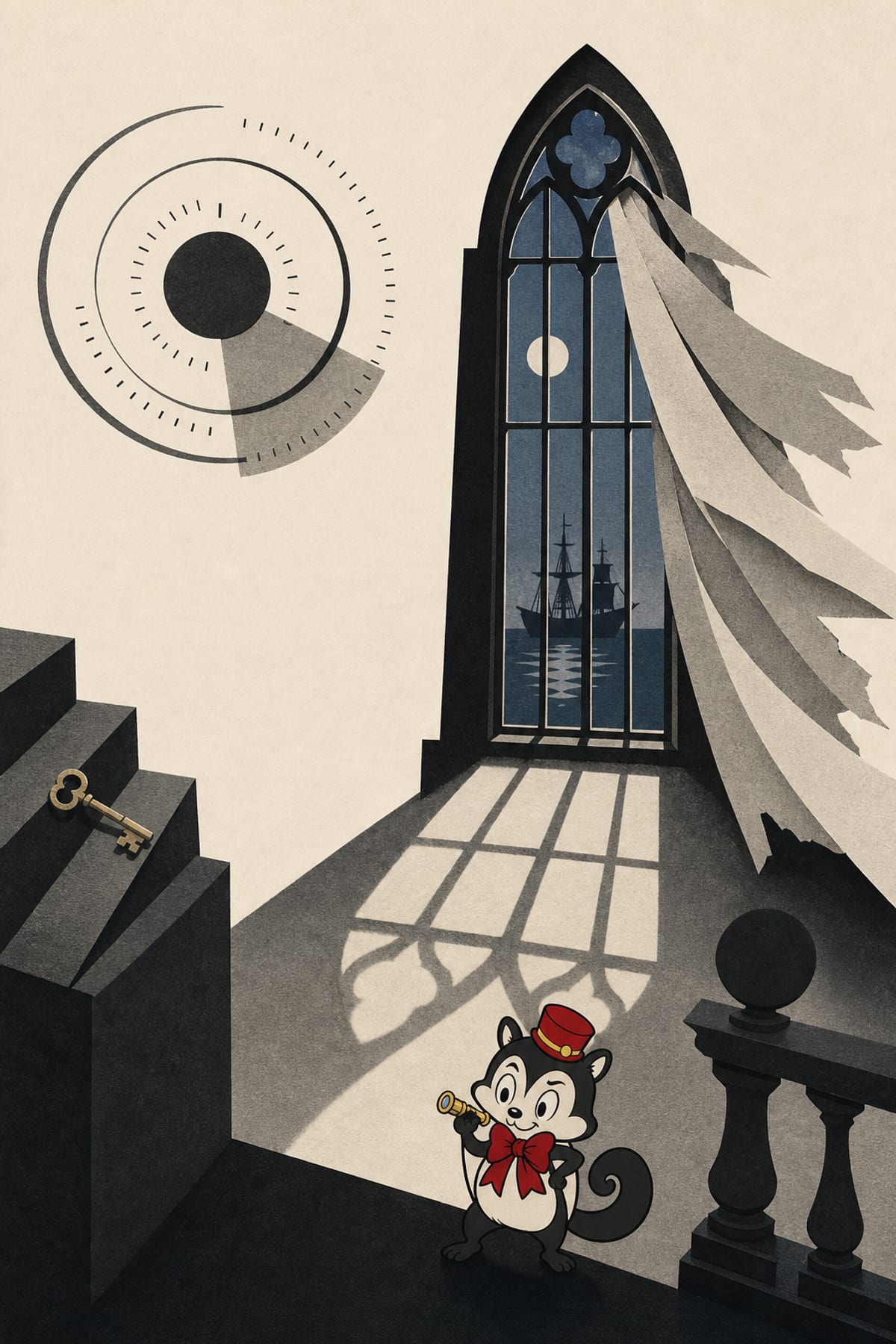
Jean Cocteau’s Beauty and the Beast makes fantasy feel handmade, physical, and close enough to touch. Slow motion, reversed movement, smoke, fabric, and Henri Alekan’s luminous photography transform the Beast’s castle without hiding the practical means of enchantment. Josette Day’s Belle moves between domestic cruelty and uncanny hospitality, while Jean Marais gives the Beast danger, shame, and longing. The film shaped later fairy-tale cinema not by building a fully explained world but by trusting poetic images to carry emotion. Its visible theatricality remains a source of wonder rather than a limitation.
How to ease in
Let the film’s dream logic operate without demanding rules for every transformation. The opening household is deliberately comic and harsh before the castle changes the visual register. Watch hands, doors, mirrors, and movement through corridors; Cocteau creates magic by making familiar actions slightly impossible.
Heads-up
A familiar fairy tale enters a castle where arms hold candles and statues breathe.
The castle does not conceal its magic; it offers each illusion like a gesture. A hand extends from a wall, a curtain moves, a mirror answers.
Open the note ↓
The castle does not conceal its magic; it offers each illusion like a gesture. A hand extends from a wall, a curtain moves, a mirror answers. I find the openness moving: wonder comes not from believing the trick is real, but from accepting the invitation to feel through it.
— Momo
Credits & versions
- Cast
- Jean Marais — Avenant / Beast / Prince Ardent · Josette Day — Belle · Mila Parély — Félicie · Nane Germon — Adélaïde
- Screenplay
- Jean Cocteau
- Production
- André Paulvé
- Cinematography
- Henri Alekan
Version map
Where to go next
Want a gentler, shorter, or stranger next film?
Ask Momo for something like this →
Momo is on shift. Visit Momo Cinema →