What to expect
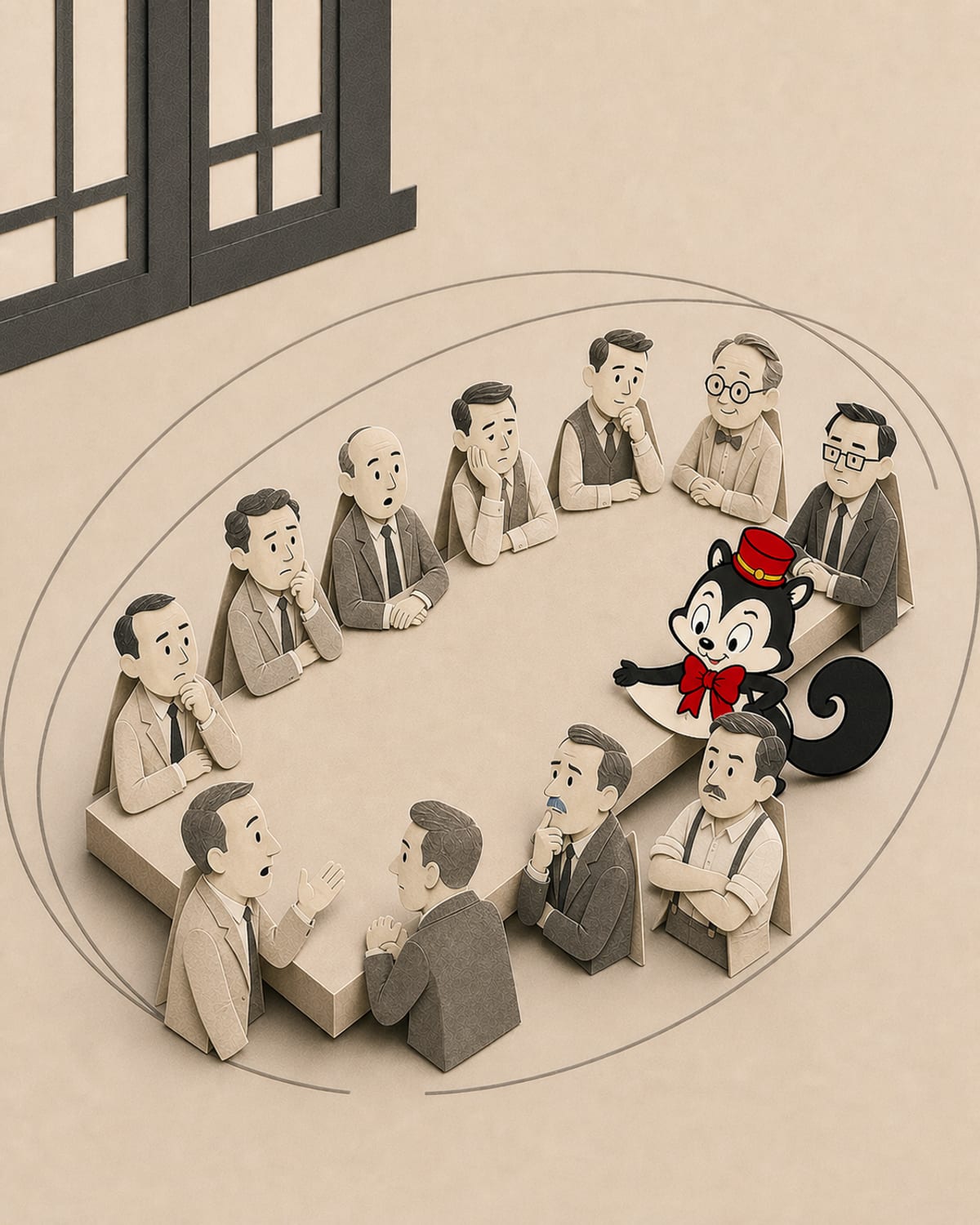
High and Low changes scale without losing pressure. Akira Kurosawa begins inside a wealthy executive’s hilltop home, where a kidnapping forces moral choices into a tightly arranged room. The film then opens into streets, trains, offices, and crowded nightlife as the investigation becomes procedural. That shift from private crisis to public system is the design, not a change of subject. Architecture and class remain visible in every stage: who looks down, who must climb, and whose suffering is treated as leverage. The result is a gripping crime film whose precision keeps revealing the social distance inside its title.
How to ease in
The first section is intentionally confined and dialogue-heavy. Pay attention to where each person stands in the room and how the large windows frame the city below. When the film becomes a police investigation, enjoy the procedural detail rather than waiting for a quick return to the household. The two halves are testing the same moral problem from different elevations.
Heads-up
A ransom demand turns one room, then an entire city, into evidence.
The house seems powerful because it can see everything below, yet the crisis makes it feel exposed and airless. Later, the city becomes crowded with clues and still keeps people separated.
Open the note ↓
The house seems powerful because it can see everything below, yet the crisis makes it feel exposed and airless. Later, the city becomes crowded with clues and still keeps people separated. Kurosawa turns height into a moral discomfort that never quite leaves the frame.
— Momo

Credits & versions
- Screenplay
- Hideo Oguni · Eijiro Hisaita · Ryuzo Kikushima · Akira Kurosawa
- Production
- Ryuzo Kikushima · Tomoyuki Tanaka · Toho Co., Ltd. · Kurosawa Production Co.
- Cinematography
- Asakazu Nakai · Takao Saito
Version map
Ways to watch and read
| Action | Search destination |
|---|---|
| Watch | Check availability on JustWatch |
| Rent | Search rentals on Apple TV |
| Read | Search books on Bookshop.org |
U.S. search destinations · Links checked 2026-07-27 · Stock, editions, prices, and availability can change · Disclosure
Where to go next
Want a gentler, shorter, or stranger next film?
Ask Momo for something like this →
Momo is on shift. Visit Momo Cinema →