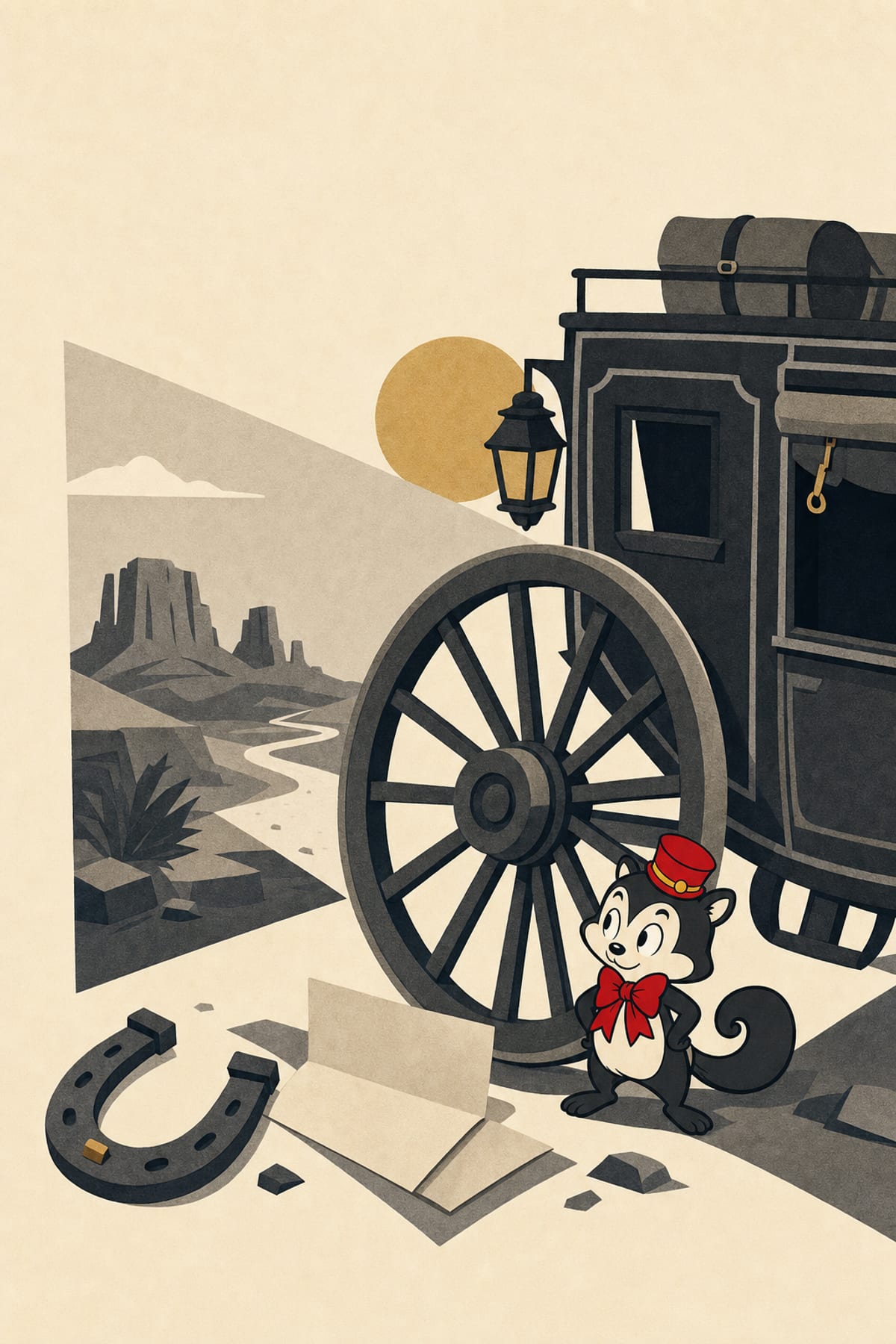
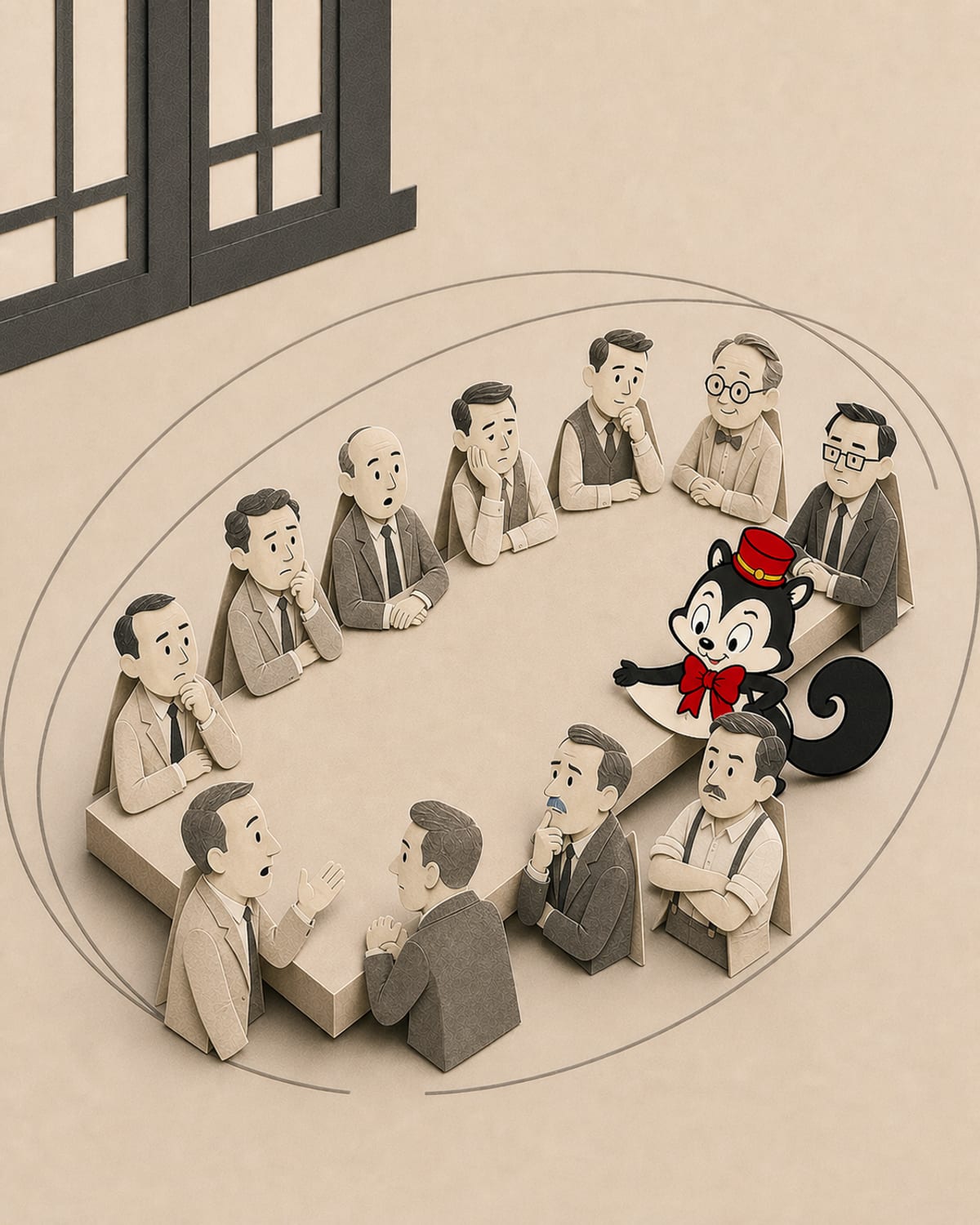
What to expect
High Noon compresses the western into an approaching deadline. As Marshal Will Kane seeks help before a returning outlaw arrives by train, public gratitude dissolves into fear, self-interest, and argument. Fred Zinnemann’s near-real-time structure turns clocks, empty streets, and repeated refusals into suspense equal to any gunfight. Gary Cooper’s contained performance makes isolation physical, while Dimitri Tiomkin’s song and score bind the countdown together. The film became a lasting political allegory because it asks what community means when collective principles require individual risk.
How to ease in
The story is deliberately simple; the experience lies in repetition and mounting absence. Watch the clocks and the spaces behind Kane as the town empties around him. The final confrontation is brief compared with the search for allies, because the film treats refusal—not marksmanship—as its central action.
Heads-up
A marshal watches the clock while an entire town discovers reasons to leave.
Every refusal changes the sound of Kane’s footsteps. The town remains physically present while becoming morally vacant, and the film lets architecture carry that loneliness.
Open the note ↓
Every refusal changes the sound of Kane’s footsteps. The town remains physically present while becoming morally vacant, and the film lets architecture carry that loneliness. By noon, the wide street feels less like freedom than a stage everyone else has chosen not to enter.
— Momo

Credits & versions
- Cast
- Gary Cooper · Grace Kelly · Katy Jurado · Thomas Mitchell
Version map
Ways to watch and read
| Action | Search destination |
|---|---|
| Watch | Check availability on JustWatch |
| Rent | Search rentals on Apple TV |
| Read | Search books on Bookshop.org |
U.S. search destinations · Links checked 2026-07-27 · Stock, editions, prices, and availability can change · Disclosure
Where to go next
Want a gentler, shorter, or stranger next film?
Ask Momo for something like this →
Momo is on shift. Visit Momo Cinema →