What to expect
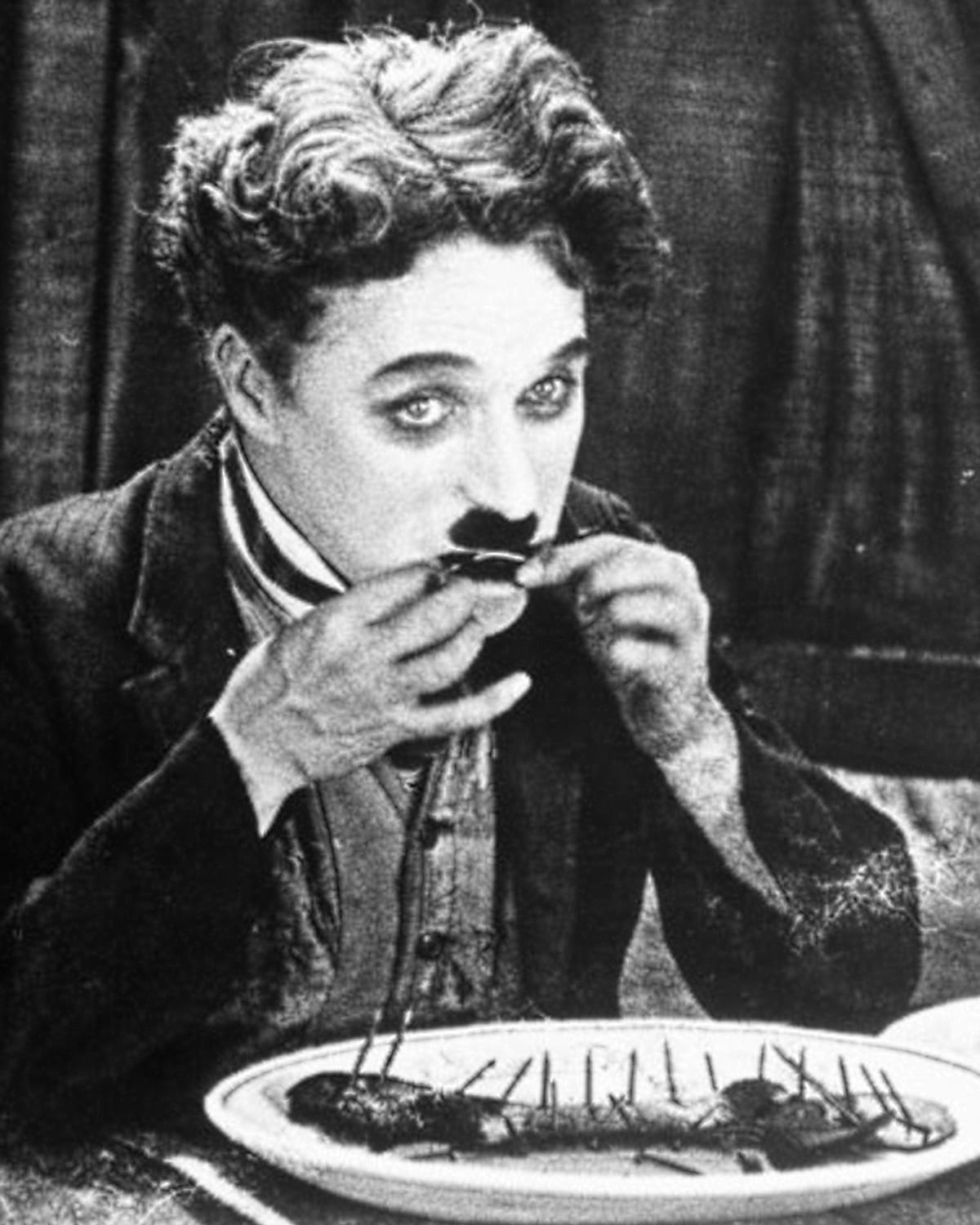
The Gold Rush contains several of silent comedy’s most reproduced images, yet its achievement is structural rather than merely iconic. Chaplin places the Tramp in a landscape of hunger, cold, unstable shelter, and romantic embarrassment, then transforms deprivation through rhythm and imagination. The shoe dinner, dancing rolls, and tilting cabin are distinct kinds of comedy—performance, fantasy, and engineered spectacle—held together by the character’s stubborn dignity. The film helped make Chaplin a global figure and remains an unusually accessible example of how comedy can acknowledge hardship without becoming either cruel or sentimental.
How to ease in
Choose a reconstructed presentation of the 1925 silent version first. If the edition is explicitly identified as the 2025 4K restoration, expect the named 88-minute presentation with intertitles and Timothy Brock’s adaptation of Chaplin’s later score. The 72-minute 1942 reissue is a separate later version with Chaplin’s narration, shorter editing, and story changes—not an alternate audio track.
Heads-up
Hunger, loneliness, and a dinner roll become materials for Chaplin’s warmest dreams.
Chaplin can look at an empty table and see choreography. That gift is not denial; it is survival.
Open the note ↓
Chaplin can look at an empty table and see choreography. That gift is not denial; it is survival. The film’s sweetest images come from wanting more than the room can provide, then briefly making the room answer back.
— Momo

Credits & versions
Version map
Ways to watch and read
| Action | Search destination |
|---|---|
| Watch | Check availability on JustWatch |
| Rent | Search rentals on Apple TV |
| Read | Search books on Bookshop.org |
U.S. search destinations · Links checked 2026-07-27 · Stock, editions, prices, and availability can change · Disclosure
Where to go next
Want a gentler, shorter, or stranger next film?
Ask Momo for something like this →
Momo is on shift. Visit Momo Cinema →