What to expect
Double Indemnity gave film noir one of its clearest architectures: desire becomes a plan, the plan becomes a trap, and confession begins before the story has finished. Billy Wilder and Raymond Chandler’s dialogue is hard, funny, and evasive, while Barbara Stanwyck and Fred MacMurray turn calculation into erotic tension. The insurance office supplies the film’s moral counterweight through Edward G. Robinson’s claims investigator, whose professional intuition is also a form of affection. Venetian-blind shadows became a visual shorthand, but the film’s deepest influence lies in making doom feel like a series of freely chosen practical steps.
How to ease in
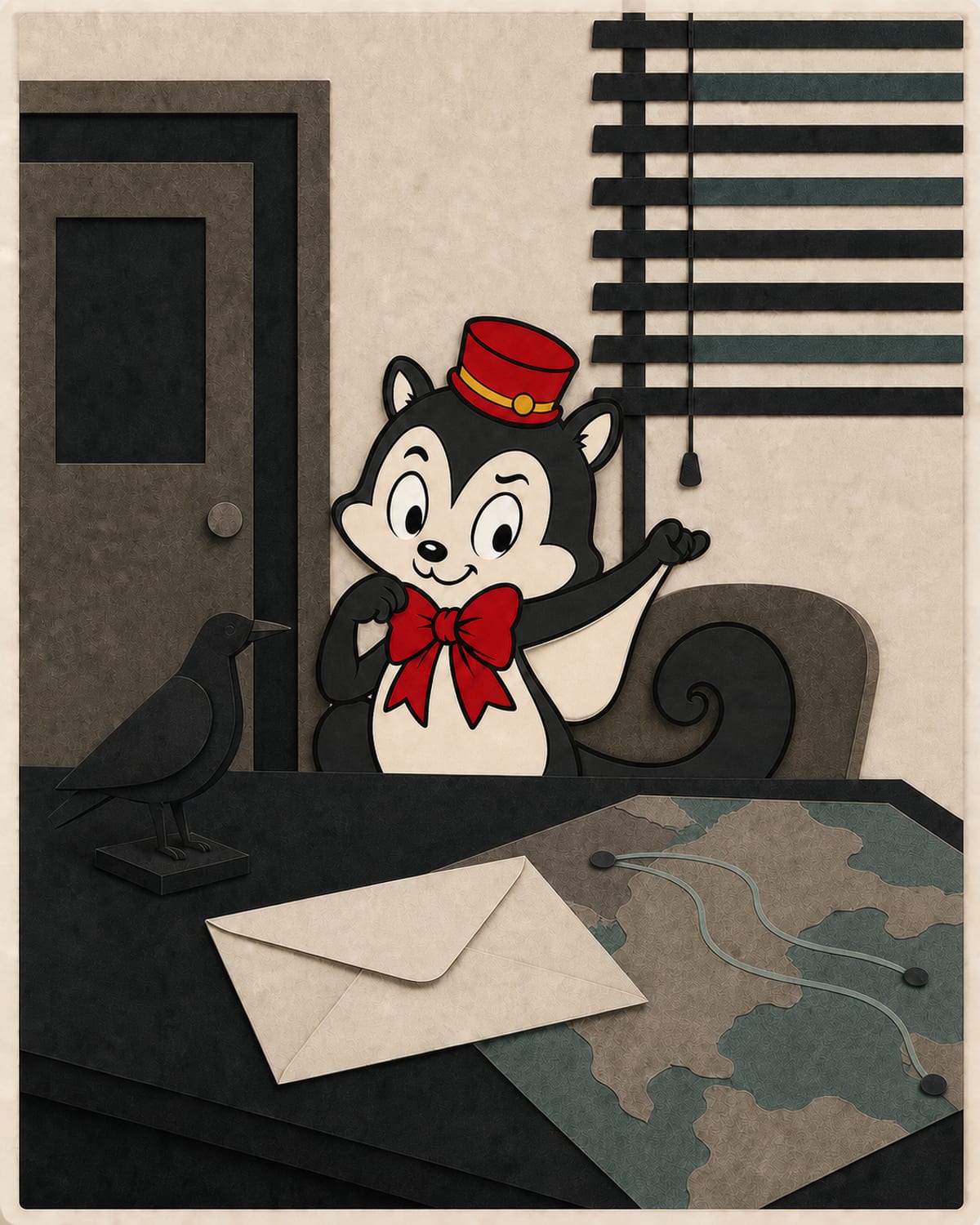
The opening reveals that the crime has gone wrong, so suspense comes from how and why rather than what. Listen for insurance language: policies, statistics, and procedures become the vocabulary of desire. The voice-over is not neutral explanation; it is a man trying to understand the shape of his own decisions.
Heads-up
An insurance salesman narrates the perfect crime after perfection has already failed.
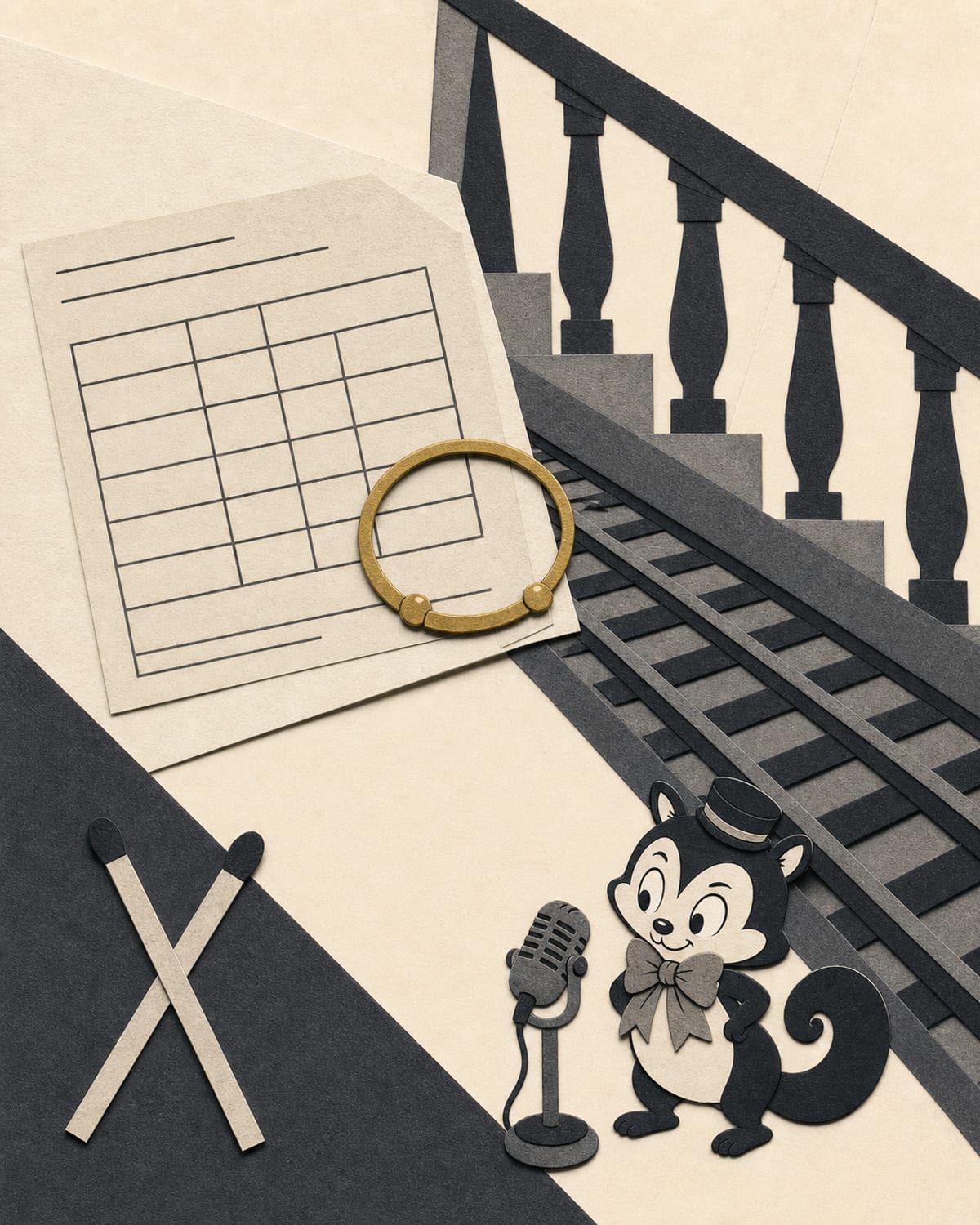
The plan sounds cleanest when spoken in an office. Once it enters a house, a car, and a railway platform, human detail keeps resisting the calculation.
Open the note ↓
The plan sounds cleanest when spoken in an office. Once it enters a house, a car, and a railway platform, human detail keeps resisting the calculation. The film understands that a perfect crime is partly a fantasy of living without inconvenient witnesses—including one’s own conscience.
— Momo

Credits & versions
- Cast
- Barbara Stanwyck
- Production
- Buddy DeSylva · Joseph Sistrom
Version map
Ways to watch and read
| Action | Search destination |
|---|---|
| Watch | Check availability on JustWatch |
| Rent | Search rentals on Apple TV |
| Read | Search books on Bookshop.org |
U.S. search destinations · Links checked 2026-07-27 · Stock, editions, prices, and availability can change · Disclosure
Where to go next
Want a gentler, shorter, or stranger next film?
Ask Momo for something like this →
Momo is on shift. Visit Momo Cinema →