
What to expect
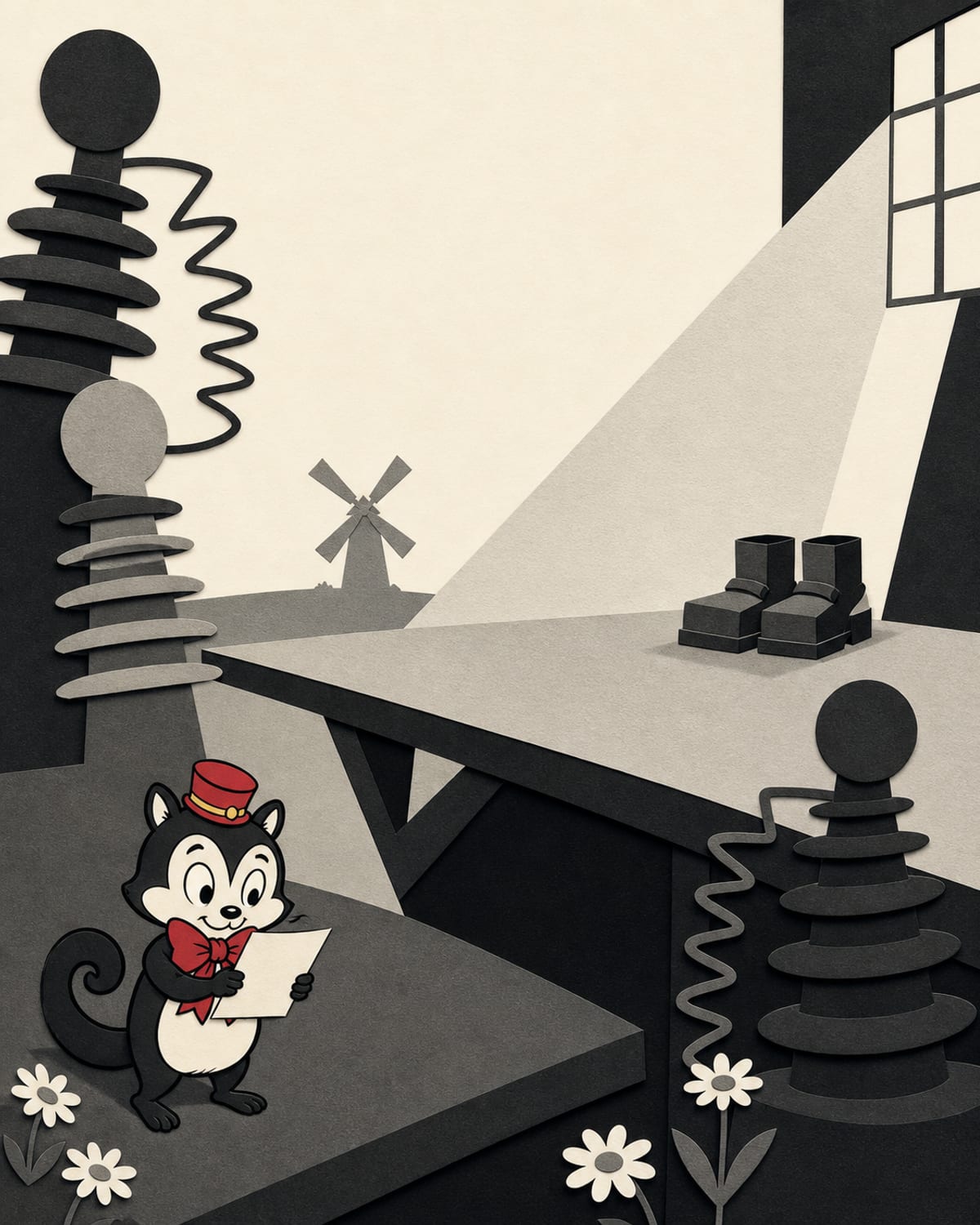
James Whale’s Frankenstein condensed stage adaptations and Mary Shelley’s premise into one of Hollywood’s defining horror myths. Its angled laboratory, electrical machinery, graveyard opening, and Boris Karloff’s unforgettable creature established images that popular culture has repeated for generations. Yet the film’s endurance comes from more than design. Karloff gives the Monster confusion, fear, and a desperate response to cruelty, complicating the boundary between creator and creation. Whale moves quickly between macabre spectacle, dark humour, village ritual, and tragedy, shaping the template for the Universal horror cycle and countless later stories of uncontrolled invention.
How to ease in
At barely over an hour, the film is brisk and approachable. Its theatrical acting and abrupt transitions are part of early sound cinema’s texture. Look beyond the familiar makeup and notice Karloff’s hands, pauses, and reactions to light; the Monster’s limited understanding gives the film much of its sadness.
Heads-up
A laboratory sparks to life, and a monster enters cinema history looking afraid.
The machinery announces triumph, but Karloff enters the story backward, uncertain of the room. That entrance changes everything.
Open the note ↓
The machinery announces triumph, but Karloff enters the story backward, uncertain of the room. That entrance changes everything. The creature is treated as an achievement before anyone has learned to meet his gaze, and the film’s tragedy begins in that failure of attention.
— Momo

Credits & versions
- Screenplay
- Francis Edward Faragoh · Garrett Fort
- Production
- Carl Laemmle Jr.
Version map
Ways to watch and read
| Action | Search destination |
|---|---|
| Watch | Check availability on JustWatch |
| Rent | Search rentals on Apple TV |
| Read | Search books on Bookshop.org |
U.S. search destinations · Links checked 2026-07-27 · Stock, editions, prices, and availability can change · Disclosure
Where to go next
Want a gentler, shorter, or stranger next film?
Ask Momo for something like this →
Momo is on shift. Visit Momo Cinema →