What to expect
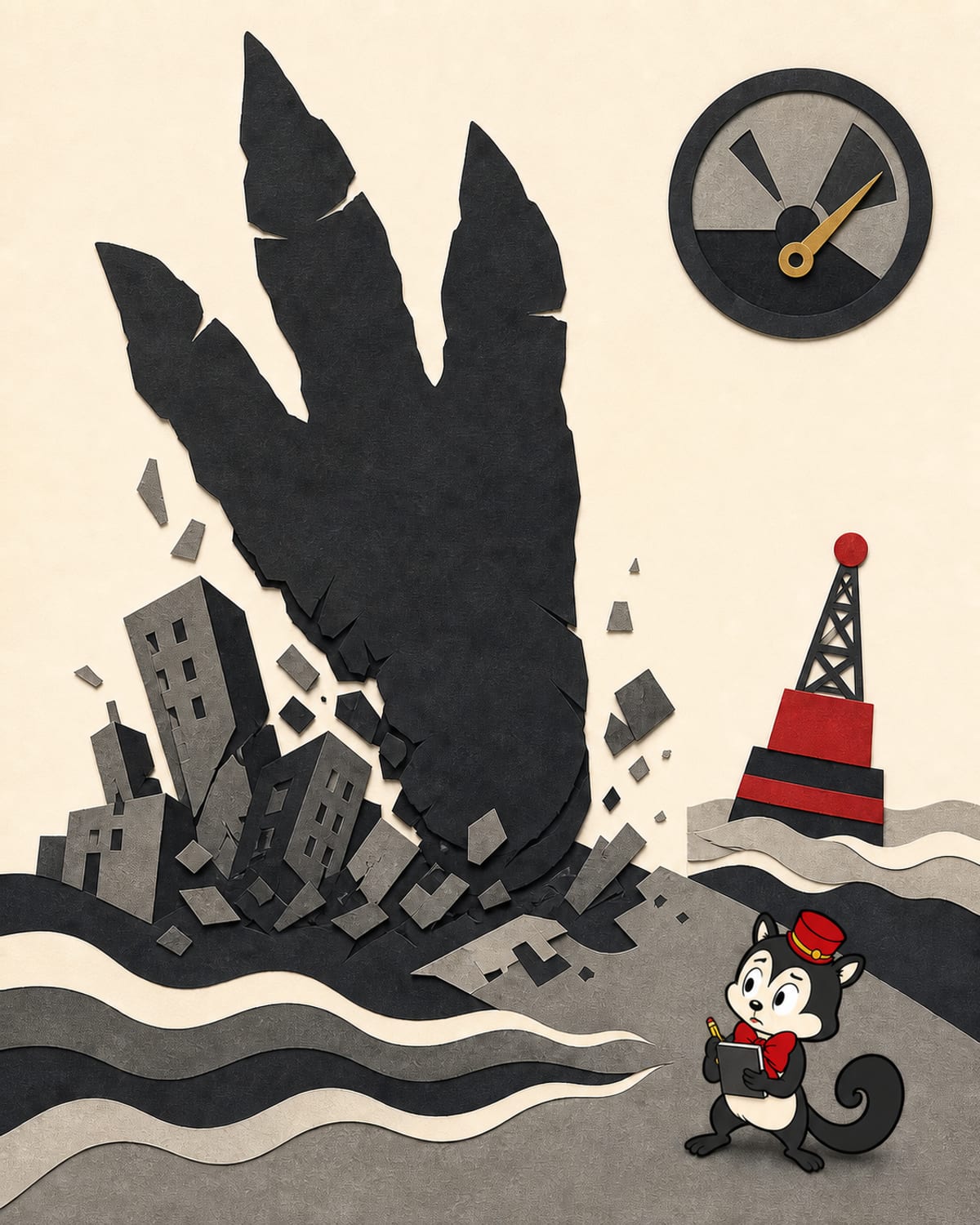
The original Godzilla is both an elemental monster film and a work shaped by recent catastrophe. Ishiro Honda gives the spectacle weight by staying close to damaged streets, crowded shelters, scientific responsibility, and the fear that a new weapon will only create another cycle of destruction. The miniature work is tactile rather than weightless; buildings seem to resist before they collapse, and the creature’s scale is measured against human routines abruptly erased. Later films would make Godzilla heroic, comic, or spectacular in different ways. This first film remains severe, mournful, and unusually attentive to the people left beneath the icon.
How to ease in
Watch the 1954 Japanese version first rather than the re-edited 1956 American release. The early investigation may feel more like a disaster mystery than a monster movie, which is useful: it establishes communities, scientists, and competing responses before the destruction expands. Akira Ifukube’s music and the recurring sound of heavy movement do as much as the effects to establish scale.
Heads-up
Before the icon came the nightmare: destruction with a memory.
I love the moments when the film stops treating destruction as spectacle and simply looks at what remains. A crowded shelter, a damaged city, or a scientist hesitating over his work gives the monster a human scale.
Open the note ↓
I love the moments when the film stops treating destruction as spectacle and simply looks at what remains. A crowded shelter, a damaged city, or a scientist hesitating over his work gives the monster a human scale. The roar is famous; the silence after it is the part I remember.
— Momo

Credits & versions
Version map
Ways to watch and read
| Action | Search destination |
|---|---|
| Watch | Check availability on JustWatch |
| Rent | Search rentals on Apple TV |
| Read | Search books on Bookshop.org |
U.S. search destinations · Links checked 2026-07-27 · Stock, editions, prices, and availability can change · Disclosure
Where to go next
Want a gentler, shorter, or stranger next film?
Ask Momo for something like this →
Momo is on shift. Visit Momo Cinema →