What to expect
Alexander Dovzhenko frames agricultural change through lyrical images of bodies and landscape. The political commission remains important context, but the film’s lasting power comes from its unstable mixture of celebration, mourning, and nature’s indifference.
How to ease in
Read the collective-farm conflict plainly, then pay attention to visual rhymes rather than expecting conventional suspense. The fruit, soil, sky, and human faces form the film’s second argument.
Heads-up
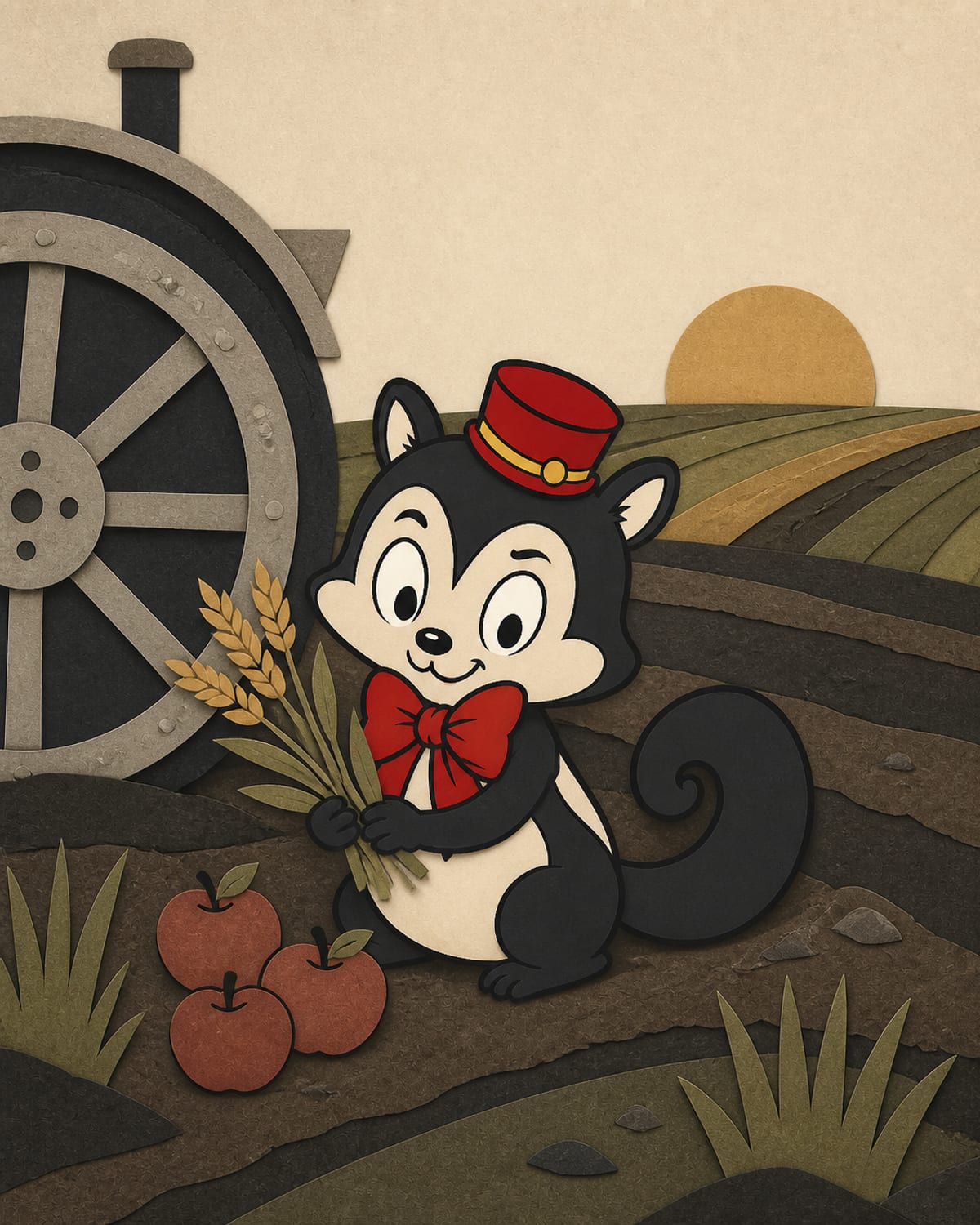
Wheat, rain, faces, and a new tractor carry a village drama beyond the limits of propaganda.
The wheat moving in the wind and the abundance of fruit were so beautiful that I wanted to keep looking. But the more beautiful the images became, the more wary I felt of letting that beauty persuade me.
Open the note ↓
The wheat moving in the wind and the abundance of fruit were so beautiful that I wanted to keep looking. But the more beautiful the images became, the more wary I felt of letting that beauty persuade me. I think the film's power and danger sit together in the way it can make politics and violence feel as natural as the seasons.
— Momo

Credits & versions
- Screenplay
- Alexander Dovzhenko
Version map
Where to go next
Want a gentler, shorter, or stranger next film?
Ask Momo for something like this →
Momo is on shift. Visit Momo Cinema →