What to expect
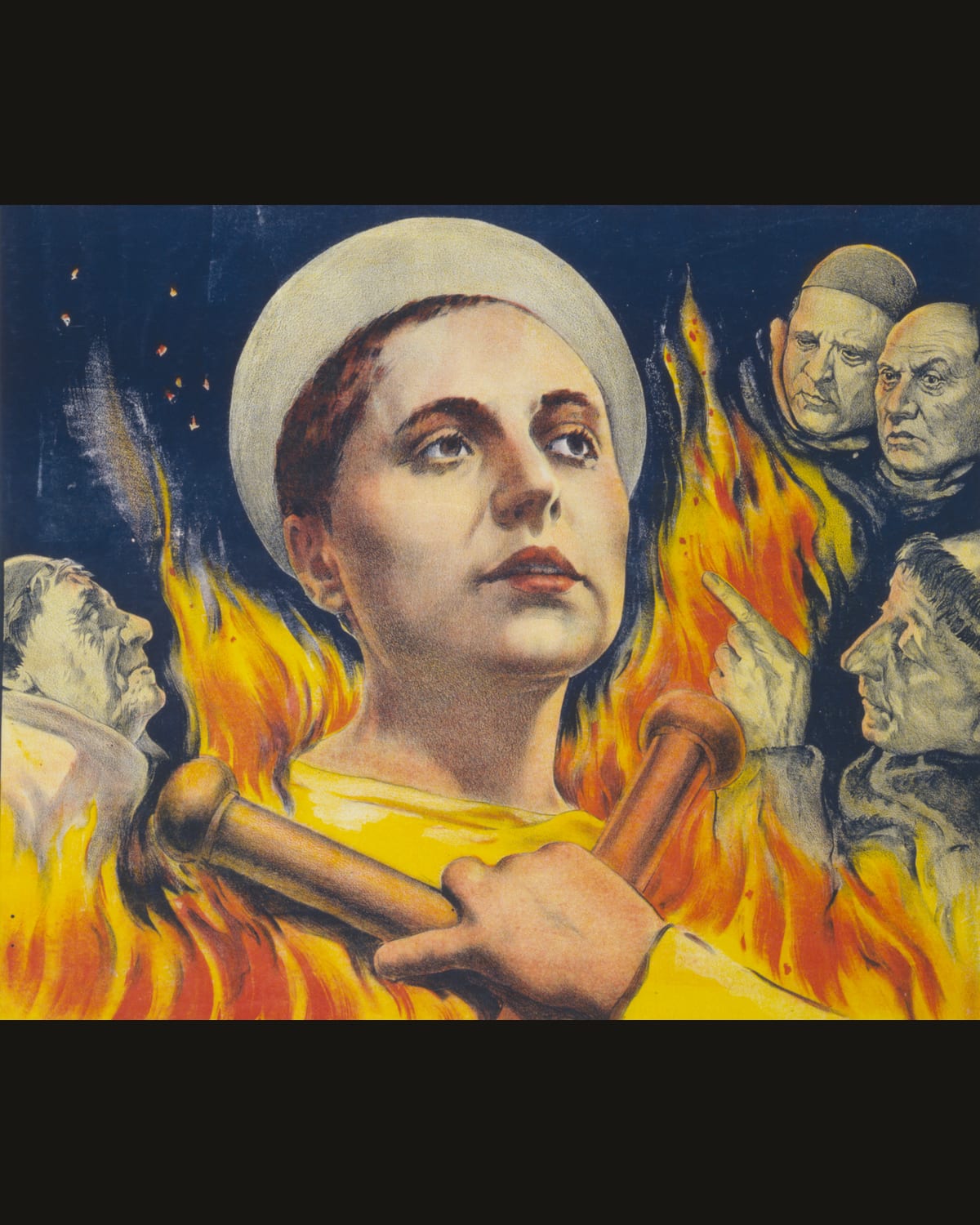
Benjamin Christensen crosses documentary lecture, horror spectacle, satire, and historical reconstruction without settling into one form. Its elaborate imagery remains influential, while its final analogies reveal both a humane challenge to persecution and the limitations of early-twentieth-century medicine.
How to ease in
Treat the numbered chapters as different approaches rather than one continuous story. The explanatory opening is dense; later staged sequences echo its objects and diagrams in more visceral form.
Heads-up
Woodcuts, staged visions, and social argument combine in an unsettling investigation of witchcraft and persecution.
I am fascinated and wary when the film moves from dusty diagrams into rooms that seem feverishly alive. Its sympathy for accused women matters to me, but the final certainty about diagnosis makes that sympathy feel less settled than it first appeared.
Open the note ↓
I am fascinated and wary when the film moves from dusty diagrams into rooms that seem feverishly alive. Its sympathy for accused women matters to me, but the final certainty about diagnosis makes that sympathy feel less settled than it first appeared.
— Momo

Credits & versions
Version map
Where to go next
Want a gentler, shorter, or stranger next film?
Ask Momo for something like this →
Momo is on shift. Visit Momo Cinema →