
See Films Differently · Nº 01
What Applause Makes Us Hear
Camera noise, city sounds and overlapping voices offer three ways into Rouben Mamoulian’s Applause—and a question about what an early talkie makes audible.
Journal topic
Essays connecting film history with cinema and the act of looking.
See Films Differently · Nº 01
Camera noise, city sounds and overlapping voices offer three ways into Rouben Mamoulian’s Applause—and a question about what an early talkie makes audible.
See Films Differently · Nº 02
Why can an old film's shopfronts and passing traffic become as absorbing as its story? Look again with People on Sunday and A Trip Down Market Street.
See Films Differently · Nº 03
Nitrate is the flammable plastic base of much early cinema. Learn how it differs from safety film, why films disappear, and what restoration can preserve.
See Films Differently · Nº 04
A talkie is a film with recorded, synchronised speech. See how The Jazz Singer, Blackmail and Modern Times changed what audiences could hear.
See Films Differently · Nº 05
Why old films look square, what 4:3 and Academy ratio mean, and why the black bars on your TV may be keeping the whole picture intact.
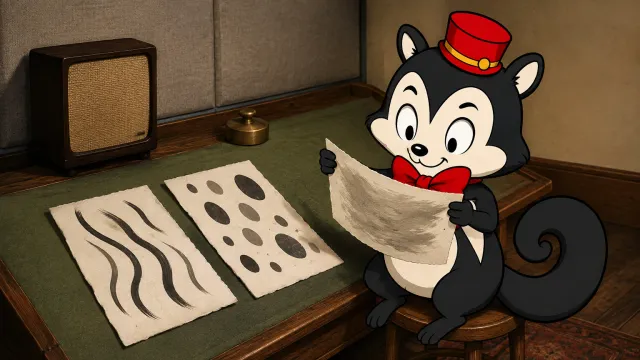
See Films Differently · Nº 06
Hear the difference between an old-film accent, a performance and a recording, with Cary Grant, Katharine Hepburn and two comedies from 1940.
See Films Differently · Nº 07
What does pre-Code Hollywood mean? Understand the Hays Code, the change in 1934, and the dialogue, endings and restored versions of three films.
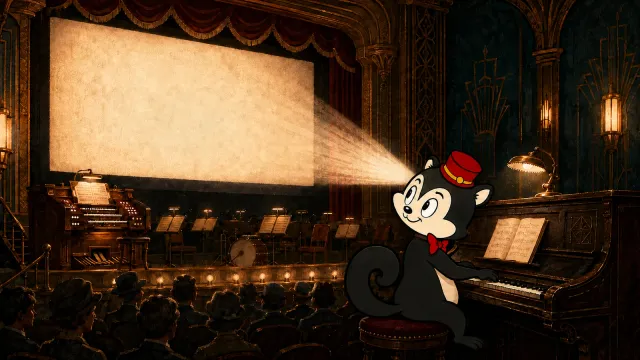
See Films Differently · Nº 08
Silent films usually had live music from a pianist, organist, ensemble or orchestra. Learn how cue sheets worked and why modern editions can sound different.
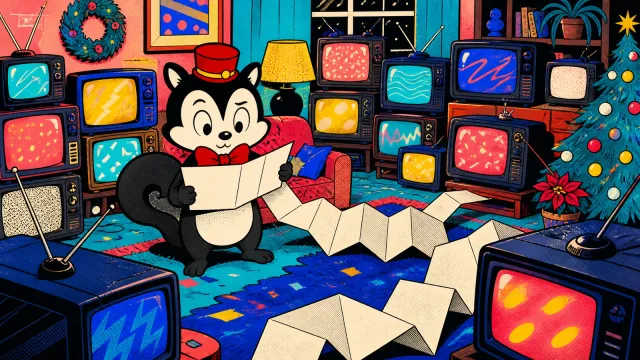
See Films Differently · Nº 09
It’s a Wonderful Life became a Christmas ritual through television repetition—then rights control turned its abundance into an annual appointment.