See Films Differently Film history
How Did Silent Films Have Music? Live Scores, Cue Sheets and Why Editions Sound Different
Silent films usually had live music from a pianist, organist, ensemble or orchestra. Learn how cue sheets worked and why modern editions can sound different.
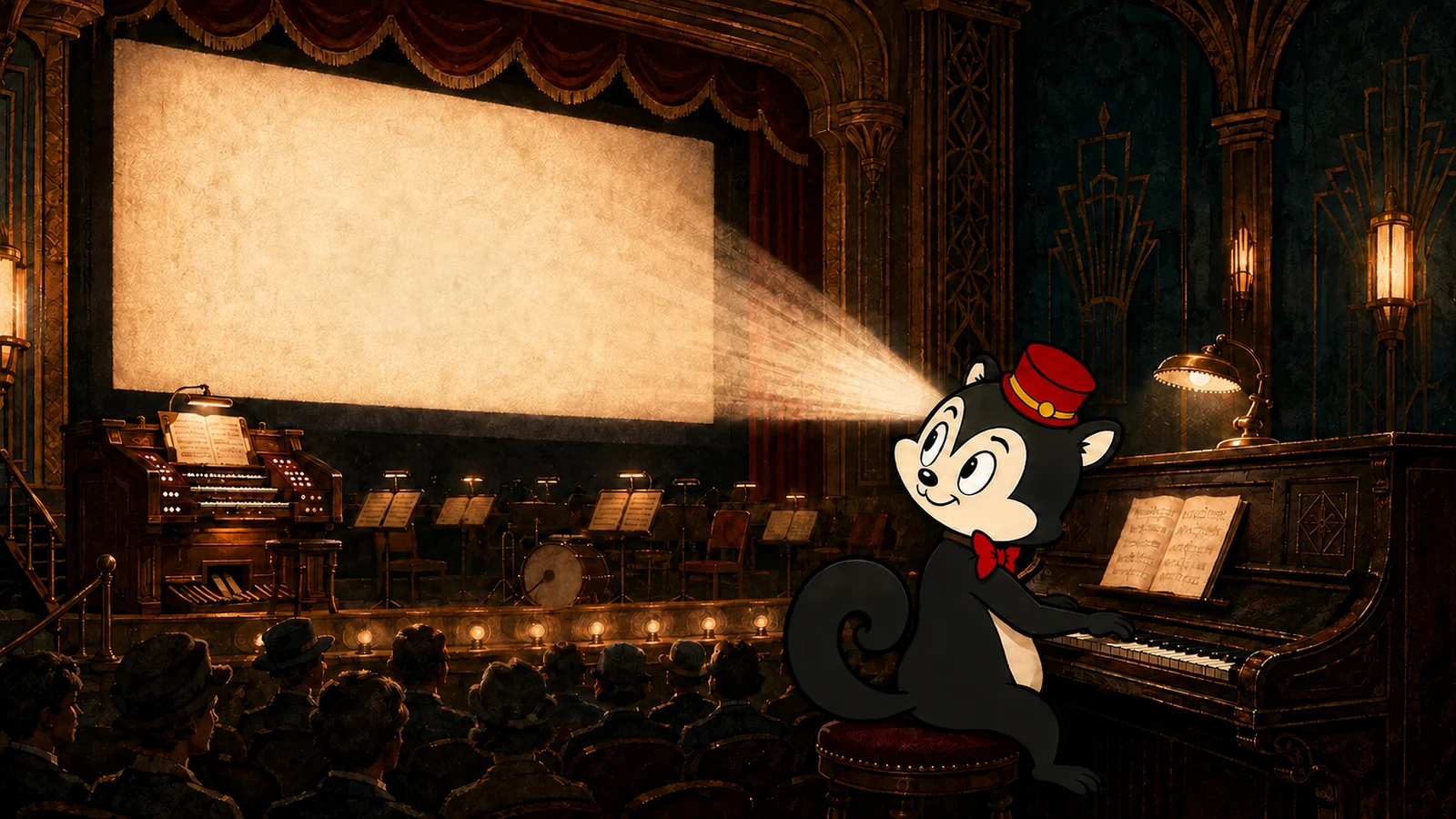
Silent films usually had music because ‘silent’ described the film print, not the whole cinema. The print did not carry a recorded synchronised soundtrack. In the room, a pianist, organist, ensemble or orchestra could play live, using improvisation, familiar music, a cue sheet, a compiled score or music written for that particular film. [1] [4]
There was no single arrangement for every cinema—and no single soundtrack permanently attached to most prints. That is also why two modern editions can show the same images yet sound completely different.
What Did ‘Silent’ Actually Mean?
The label separates these films from cinema with recorded, synchronised dialogue and sound. It does not prove that every screening took place to continuous music.
The distinction matters because ‘silent films were never silent’ is memorable but too absolute. Research summarised by film-music historian Mervyn Cooke shows that organised screenings without a planned sound component did occur, particularly during cinema’s early development. Audience voices, street noise and the machine itself could still be heard, but that is not the same as a prepared accompaniment. By the later silent period, organised music had become a much more familiar part of filmgoing. [6]
So the careful answer is: silent films were commonly accompanied, especially as exhibition practice developed, but the practice varied by place, date, venue and budget.
The later transition is a different question: what made a film a talkie? Recorded accompaniment, a few spoken scenes and dialogue throughout were distinct steps.
Was It Always a Pianist?
No. The lone pianist is the image that survives most neatly in popular memory, partly because one player can still accompany a silent film convincingly today. Historically, however, the instrument and number of musicians depended on the room.
A modest venue might employ a pianist. A theatre with a cinema organ could ask one musician to produce a far broader range of colours and effects. Other houses used small ensembles; prestigious venues could employ an orchestra. The Library of Congress collections preserve materials made for this varied working world, while the Smithsonian’s account describes pianists, organists and orchestras playing in the theatre itself. [1] [3] [4]
This was not a ladder on which orchestra automatically meant ‘correct’ and piano meant ‘inferior’. Each setting created a different relationship between image, room and player. A responsive pianist could alter pace or emphasis instantly. An ensemble offered more instrumental contrast. A large orchestra could give a major presentation the scale of an event. The appropriate question is not simply ‘What did silent films sound like?’ but ‘What might this film have sounded like in this particular cinema?’
How Did Musicians Know What to Play?
They had several methods, and a performance could combine them.
Improvisation
An experienced accompanist could watch the film and improvise, drawing on familiar musical gestures while responding to action, mood and rhythm. Improvisation did not necessarily mean making everything up without preparation. A player might know the film, keep useful themes ready or build a personal vocabulary through repeated performances.
Photoplay-music libraries
Cinemas could maintain collections of music suitable for recurring dramatic situations: suspense, romance, comedy, pursuit, ceremony or grief. These libraries included repertory, popular and classical material as well as music created for screen use. A musician or musical director could assemble a programme from what the venue had available. [2] [4]
Cue sheets
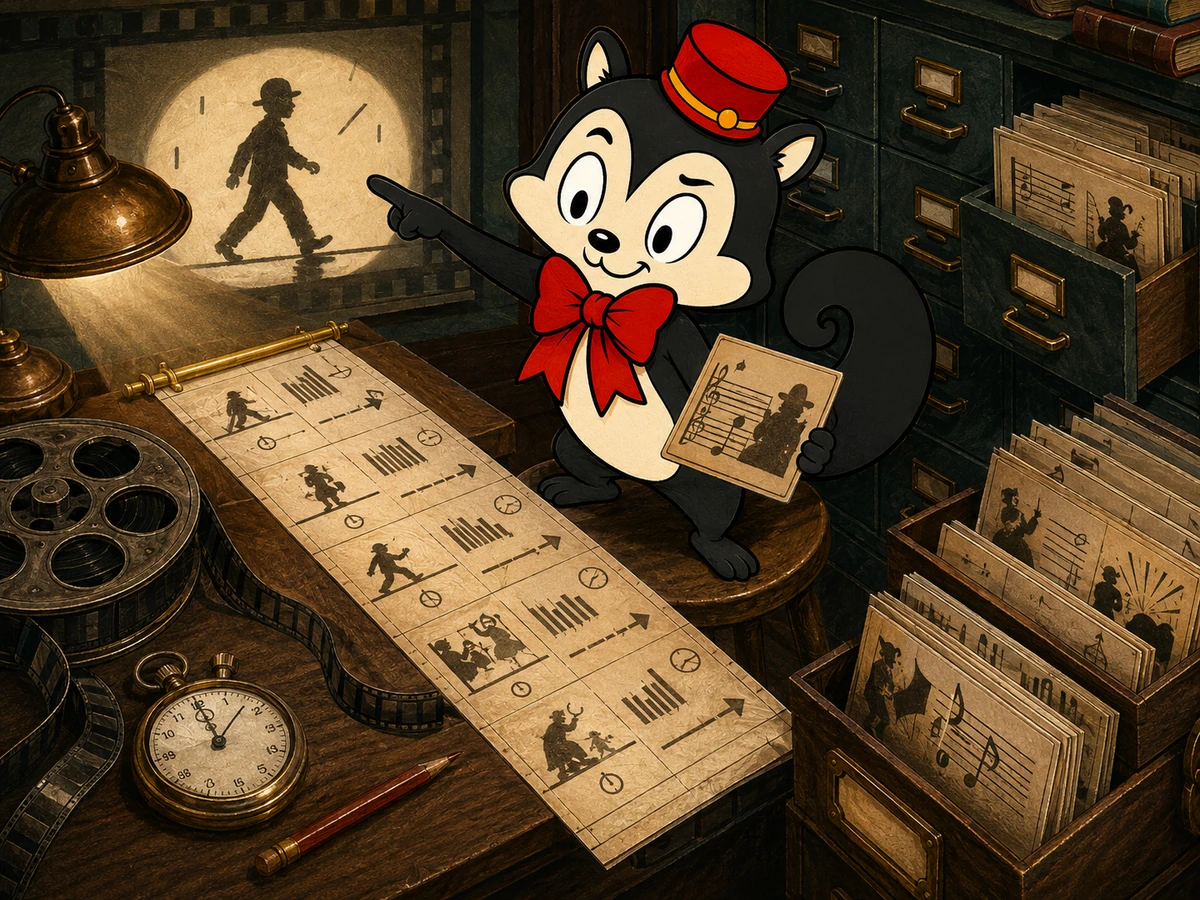
A cue sheet was guidance rather than sound embedded in the print. It could divide the film into moments, indicate changes in action or mood and suggest music to accompany them. The recommendations helped a local musician follow the dramatic shape of the film, but they did not make every performance identical. A cinema might lack a suggested piece, substitute another, shorten it, repeat it or connect it through improvisation. [1] [2]
Compiled and original scores
A compiled score organised existing music into a planned sequence for the film. Some productions also had music written specifically for them. Even then, what an audience heard depended on whether the score reached the venue, which forces were available and how the musicians performed it. The Library of Congress score and arrangement collection survives precisely because silent-film music existed in many forms—not as one universal track stored beside every reel. [3]
What Was the Music For?
Projector noise is part of the story, but it is not a complete explanation. Early accounts did mention music as a way to make mechanical and surrounding noise less intrusive. Yet projectors moved into booths and accompaniment persisted. Historians have therefore treated noise masking as one practical reason among several, not the origin story that explains everything. [6]
Music could give the moving images continuity. It could prepare a laugh, sustain unease across a cut, mark a character’s arrival or help a crowded room feel when one dramatic unit had ended and another had begun. The Smithsonian describes photoplay music matching a film’s tones and events, with musical choices supplying emotional and narrative context. The Academy’s teaching material likewise treats music as a fundamental way of shaping how an audience understands screen action. [4] [5]
That influence is easy to underestimate because the image does not change when the accompaniment changes. Put an anxious pulse beneath an open door and the room seems dangerous. Give the same door a light, expectant phrase and it becomes an invitation. Music does not merely decorate a meaning already complete on screen; it helps organise expectation in time.
The musician also worked in the same present tense as the audience. A live player could feel the pace of the room and make a transition breathe. That makes historical silent-film exhibition closer to a performance than to pressing play on a fixed audiovisual file.
Did Every Cinema Hear the Same Score?
Usually not. The same film might meet a different instrument, library, cue-sheet interpretation or improviser at the next venue. The Smithsonian puts the consequence plainly: scores varied by theatre, accompanist and available music, making repeat viewings distinct experiences. [4]
That variation should not be mistaken for failure. Standardisation was simply not built into the print in the way a recorded soundtrack is built into a later sound film. A cue sheet could coordinate the broad route without erasing local decisions. A film-specific composition could establish stronger intentions without guaranteeing the same forces or performance everywhere.
This also explains why asking for ‘the original soundtrack’ can be misleading. A particular film may have strong historical musical evidence, but many silent films do not have one self-contained recording that accompanied all first-run screenings. The right answer belongs to the particular film, version and exhibition history.
Why Do Modern Editions Sound Different?
A modern stream, disc or digital restoration needs an audible track if it is to reproduce the familiar accompanied experience at home. Because most silent prints do not contain a locked soundtrack, the publisher or archive must choose what music accompanies its edition.
One edition may present a recording based on surviving historical material. Another may use a newly composed score. A third may record an improvisation or a newly assembled accompaniment. Each choice can alter pace, emphasis and tone even when the underlying sequence of images is similar. The modern track is therefore part of the edition, not neutral packaging around it. The Library of Congress materials show how much historical music survives to be studied and performed; contemporary presentations also continue the older practice of writing new music for silent images. [1] [3] [4]
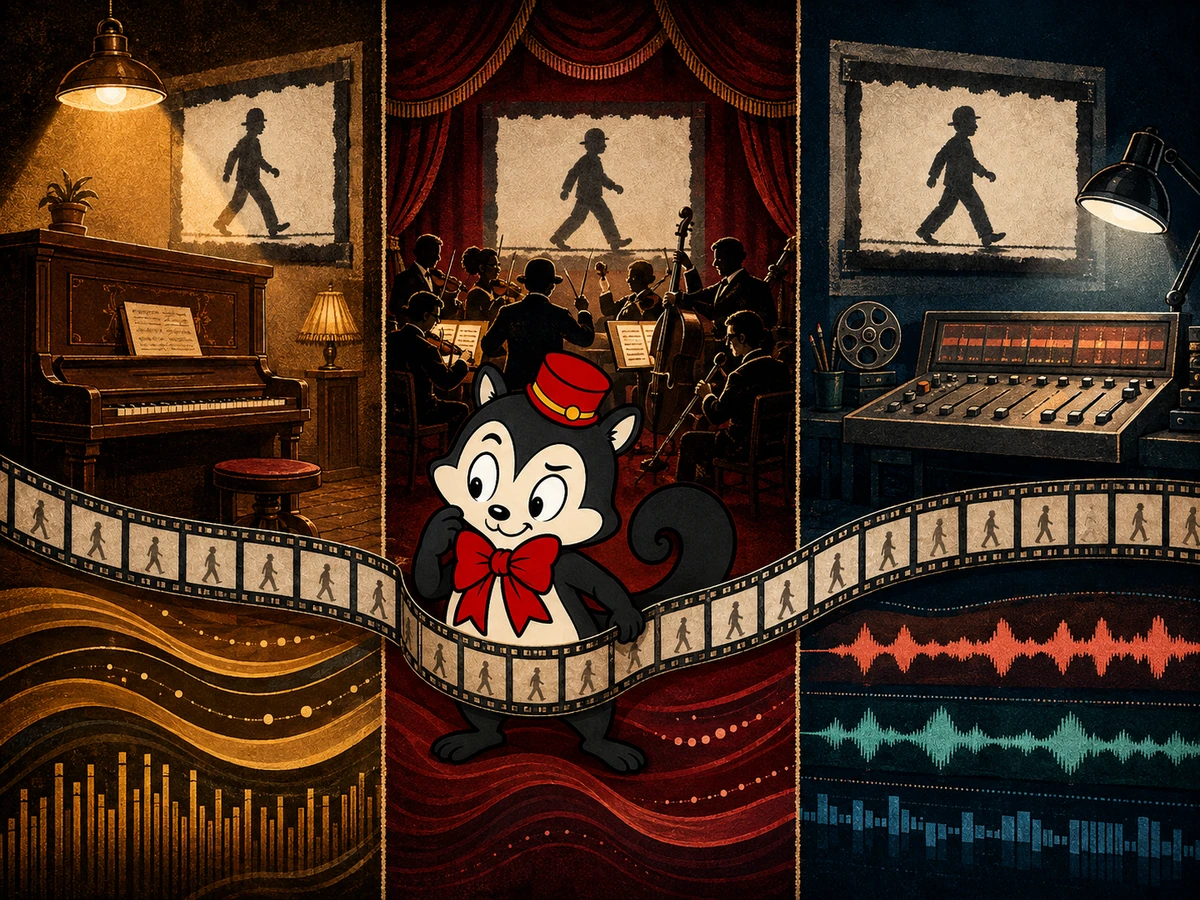
When comparing editions, read the music credit rather than treating it as an afterthought. Look for the composer or compiler, performer, ensemble, recording date and any explanation of the historical sources used. ‘Original score’ can mean music newly written for a modern release, so the date and context matter. A restoration note that clearly distinguishes surviving evidence from new creative work is more useful than a vague promise of authenticity.
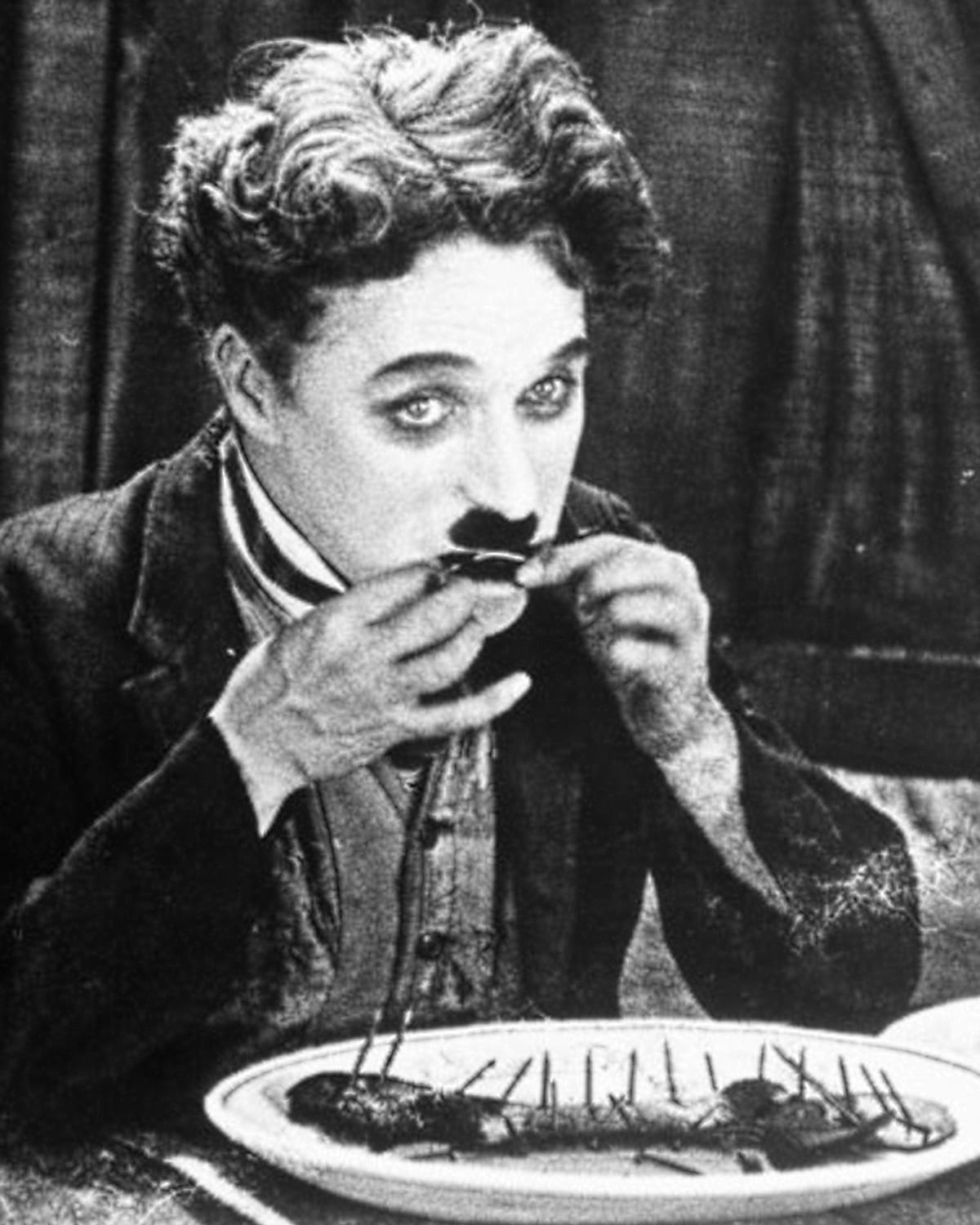
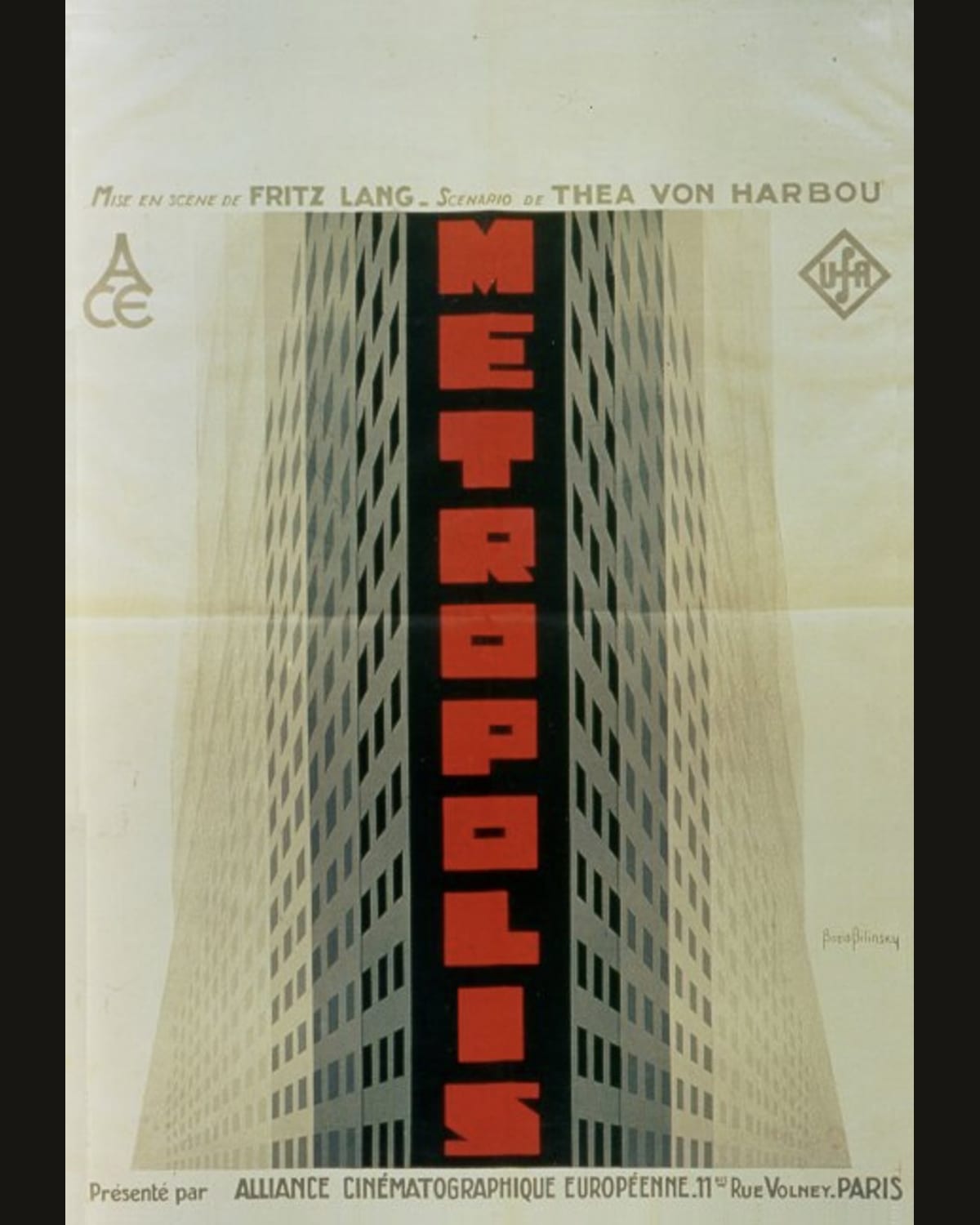
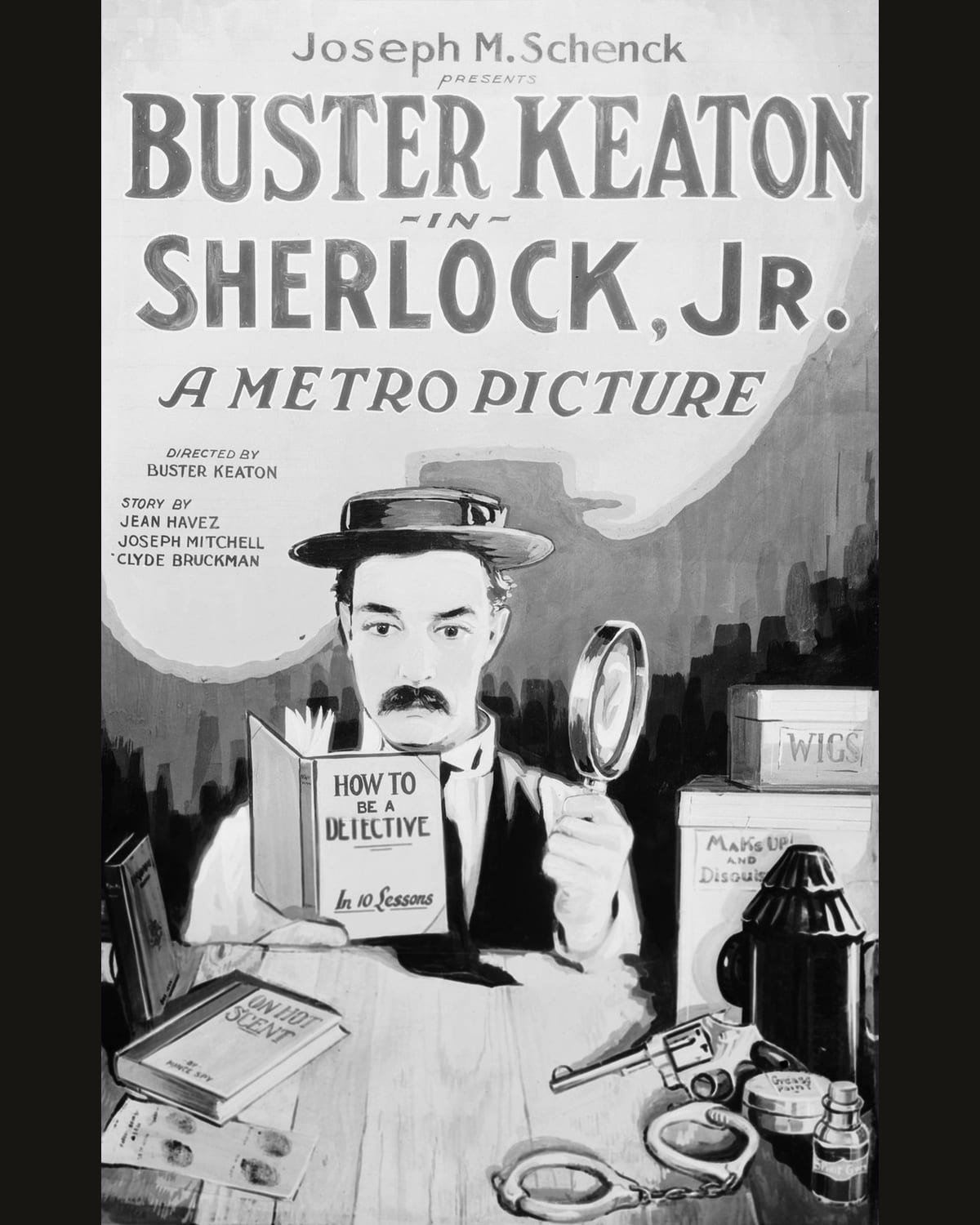
For four useful films on which to compare presentation choices, begin with Nosferatu, The Gold Rush, Metropolis and Sherlock Jr.. Their Film pages hold the core work and release facts; any soundtrack claim still belongs to the named edition you are watching.
Keep that task separate from picture speed. Music can make action feel quicker or slower, but an accompaniment cannot repair frames presented at the wrong cadence. Why Do Silent Films Look Sped Up? explains the capture, projection and transfer problem without turning one frame rate into a rule.
For film-specific choices, see Nosferatu: Which Film and Restoration Should You Watch? and The Gold Rush: Which Version Should You Watch?. Those guides compare the evidence and consequences attached to particular releases; this article owns the general exhibition practice.
Does an Old Film Make Its Music Free to Reuse?
Not by itself. The U.S. Copyright Office treats a musical composition and a sound recording as distinct works. The legal status of old images therefore does not answer the separate question of whether a particular composition or recorded performance may be copied and reused. [7]
This is a boundary, not a verdict on any release. Rights vary by work, material, territory and use. If you plan to publish music or a recording, identify the exact track and check that item’s status rather than relying on the age of the film.
Frequently Asked Questions
Did silent movies have live music?
Commonly, yes—especially once organised accompaniment became established. A pianist, organist, ensemble or orchestra might play in the cinema. But some early screenings had no organised sound component, so ‘always’ is too strong.
Was silent-film music always played on piano?
No. Piano was one practical option. Cinema organs, small ensembles and full orchestras were also used, depending on the venue and its resources.
What was a silent-film cue sheet?
It was a guide for the people providing the music. It could mark dramatic moments and recommend suitable pieces or moods. Local musicians still had to turn that guidance into a performance with the instruments and library available to them.
Did every silent film have its own score?
No. Some had film-specific music, while many screenings used improvisation or selections assembled from photoplay, popular, classical and repertory music.
Why can the same silent film have different music on different releases?
The picture print usually did not lock one recorded soundtrack to the images. Modern publishers can therefore choose different historical material, performances or new scores. Check the music credits for the edition you are watching.
Is the music on a public-domain silent film also public domain?
Do not assume so. The composition and the sound recording are separate works, and each particular item needs its own rights check.
References
- Library of Congress, Music for Silent Film: A Guide to Resources at the Library of Congress (accessed 3 September 2026).
- Library of Congress, “A Warming Flame: The Musical Presentation of Silent Films” (accessed 3 September 2026).
- Library of Congress, Silent Film Scores and Arrangements collection (accessed 3 September 2026).
- Smithsonian American Art Museum, “Silent Film With an Emphasis on Sound”, 29 August 2013.
- Academy of Motion Picture Arts and Sciences, Complete Sound and Music Activities Guide (accessed 3 September 2026).
- Mervyn Cooke, A History of Film Music, Chapter 1 excerpt, Cambridge University Press (accessed 3 September 2026).
- U.S. Copyright Office, “Musical Compositions and Sound Recordings” (accessed 3 September 2026).
Continue exploring on Monocurator
Want a recommendation shaped around your evening? Ask Momo what to watch next →