What to expect
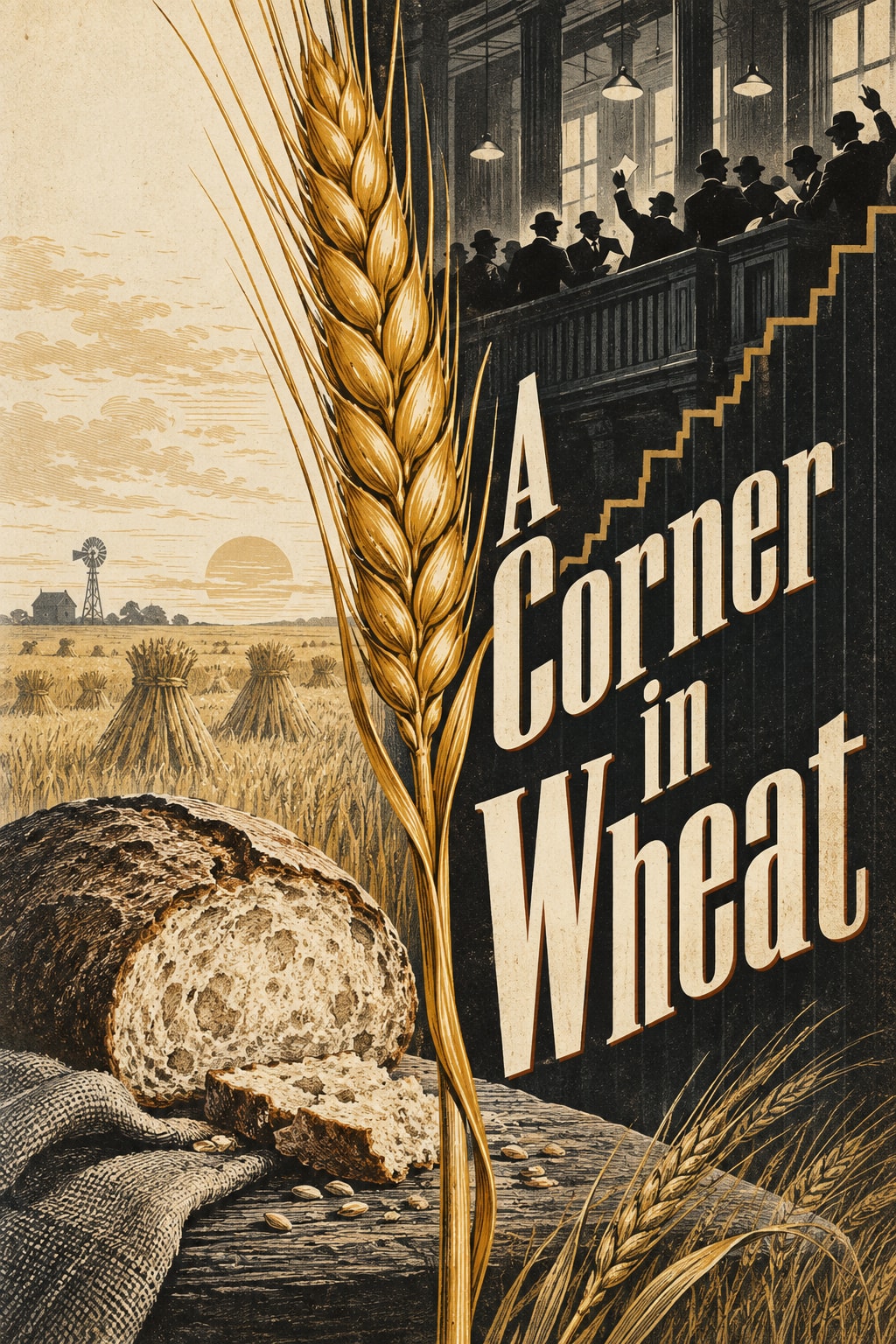
A Corner in Wheat makes an early, forceful argument through contrast. Rather than following one protagonist through a continuous adventure, it places farmers, consumers, and a wealthy speculator beside one another so that the social relationship emerges in the cut. The fixed camera and staged tableaux can look distant at first, yet the structure is direct: abundance in one space produces scarcity in another. It is a compact example of editing used not only for action but for an idea.
How to ease in
Allow fourteen minutes and treat each new setting as one part of an argument. The Library of Congress record is the factual anchor for this guide. Intertitles and static compositions do much of the work, so it helps to notice who handles food, who waits for it, and who controls its price.
Heads-up
Open the note ↓ Close the note ↑
The film does not need a speech to explain its politics. A cut from plenty to shortage is already a sentence, and the repeated return to wheat keeps sharpening the grammar.
— Momo

Credits & versions
Version map
Where to go next
Want a gentler, shorter, or stranger next film?
Ask Momo for something like this →
Momo is on shift. Visit Momo Cinema →