
À quoi s’attendre
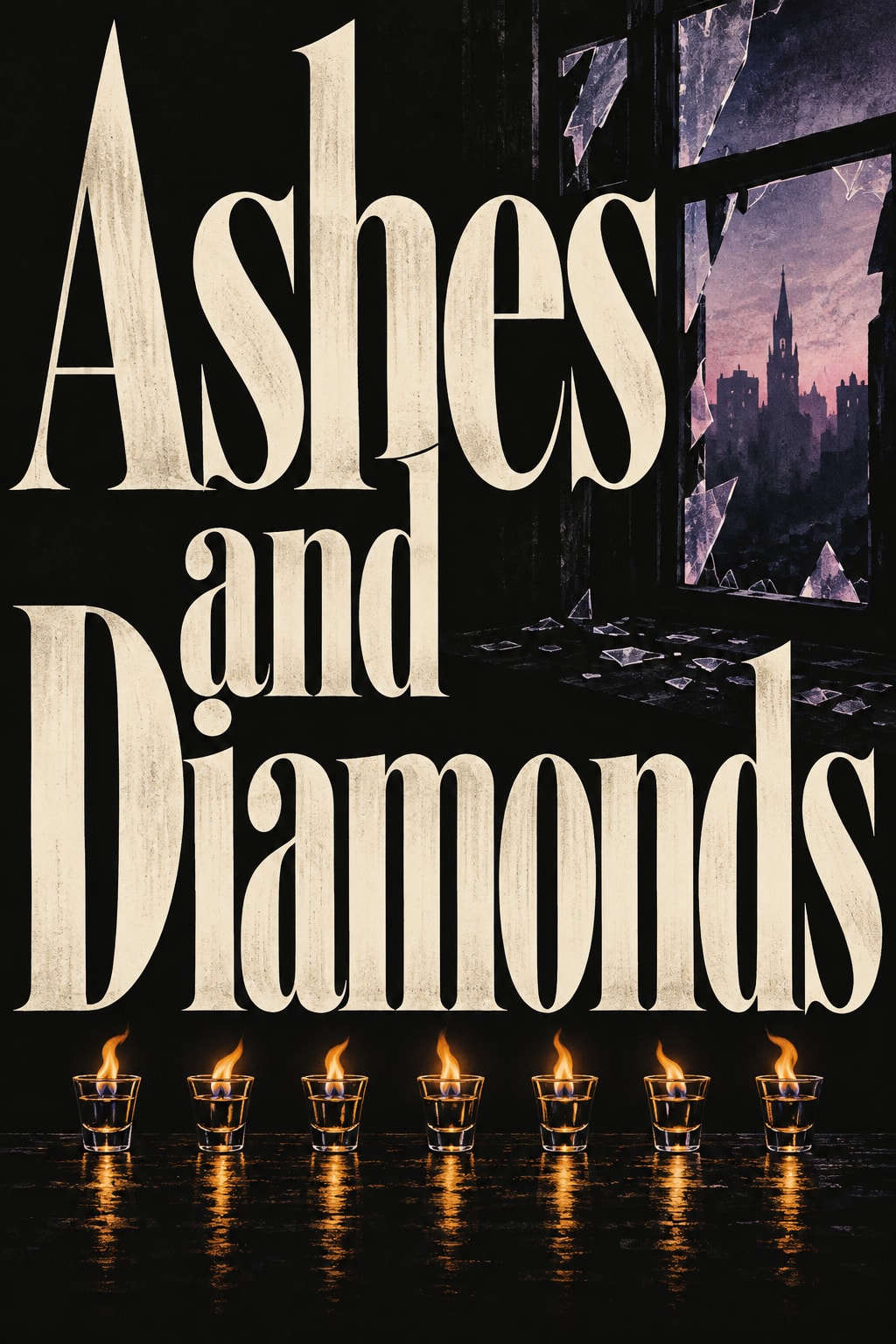
Ashes and Diamonds compresses the moral confusion of postwar Poland into the final day of the European war. Resistance fighter Maciek is ordered to kill a communist official after a failed ambush has already killed the wrong men. Andrzej Wajda fills the hotel setting with celebrations, negotiations, ghosts of occupation, and uncertain futures. Zbigniew Cybulski’s modern physical presence turns Maciek into both political agent and stranded youth. The film became central to the Polish Film School because it treated history not as a settled national narrative but as a field of compromised choices and competing claims.
Comment aborder le film
A little context helps: the German occupation is ending, but conflict between the anti-communist underground and the incoming communist order continues. Focus on Maciek, his target Szczuka, and the hotel where public celebration masks private decisions. Symbolic images are frequent, but the film’s emotional line remains the narrowing time available for another choice.
À savoir
Ouvrir la note ↓ Fermer la note ↑
The hotel celebrates an ending while Maciek is trapped inside a beginning he did not choose. Wajda keeps public ritual and private violence close together. Fireworks, lamps, uniforms, and ruined buildings all seem to ask whether history has changed or merely changed its lighting.
— Momo

Générique et versions
- Scénario
- Jerzy Andrzejewski · Andrzej Wajda
Carte des versions
Pour poursuivre la découverte
Envie d’un prochain film plus doux, plus court ou plus étrange ? Demandez à Momo un film dans le même esprit → (S’ouvre en anglais)
Momo est de service. Visiter Momo Cinema → (S’ouvre en anglais)