ページの操作項目を翻訳しています。作品名は目録の表記のままです。解説本文と出典の説明は英語です。

← 作品一覧に戻る

Documentary

Nanook of the North

上映時間
79分Criterion restored presentation 版に関する出典 ↓

Nanook of the North combines real people and skills with scenes arranged for the camera. Its screen identities, filming spaces and hunting scenes reveal different ways a documentary can be constructed.

購入用の版を探す ↓ 観る前に ↓

Amazon.comで検索 · 広告リンク。購入前に版と対応地域をご確認ください。

言語
English
BeautifulGentle 親しみやすい · 少し集中して Documentary
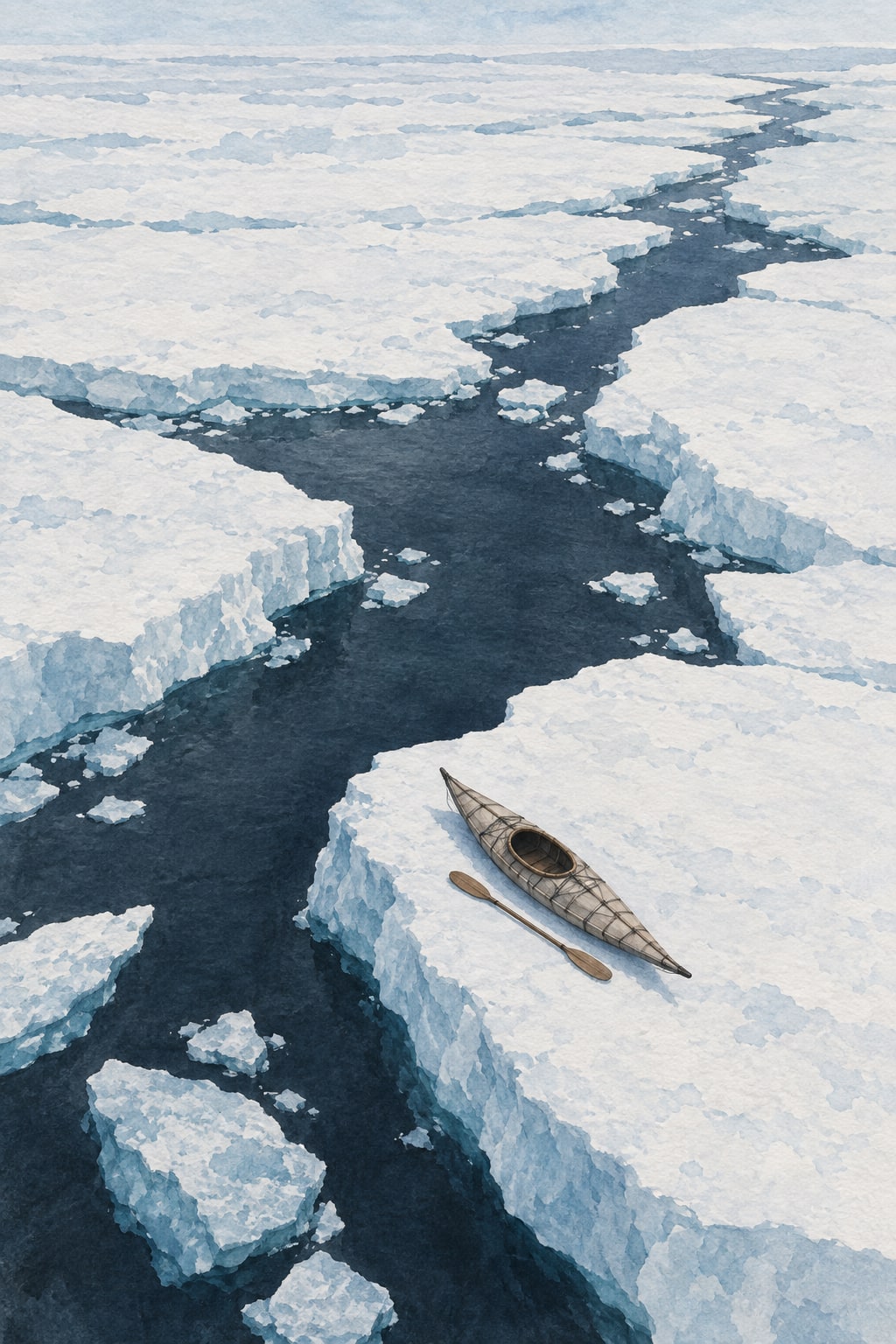
A small kayak and paddle rest on sea ice beside a dark channel through white floes.

Image: Monocurator · source · Original Monocurator artwork

What was staged in Nanook of the North?

Nanook of the North combines real people, skills and locations with scenes arranged for the camera. “Staged” covers several choices: assigning screen identities, building a filming space, and influencing the action being recorded.

  1. The people on screen

    Allakariallak and Maggie Nujarluktuk perform Nanook and Nyla. The Flaherty’s centennial account identifies them as fictional characters played by real people. Their screen identities belong to the film’s constructed story.

  2. The igloo interior

    Thunder Bay Museum records a cut-away igloo built for interior filming. The shelter also functioned as a set arranged around the camera. Constructing it still required the skills of the people making it.

  3. The walrus hunt

    Flaherty wrote that the hunters asked him to use a gun during the struggle, while he kept filming and pretended not to understand. In his own account, getting the shot took precedence over responding to the men.

What does that change when you watch?

Watch the practical skill and the decisions shaping its presentation together. Inuit participants also helped choose scenes, repair the camera and develop film, as the Library of Congress essay describes. Seeing their contribution makes the film’s construction more concrete than simply calling everything on screen “fake”.

どんな作品か

Robert Flaherty’s feature helped establish documentary storytelling through close observation, landscape, and constructed scenes. Its importance cannot be separated from its staging, colonial gaze, and transformation of real people into simplified screen characters.

無理なく楽しむために

Watch the practical detail while keeping the camera’s arrangement in view. The film is not transparent evidence of Inuit life: performance, reconstruction, intertitles, and Flaherty’s choices shape every encounter.

観る前の注意

簡単な補足(網羅的ではありません) Includes animal hunting and killing, colonial and racial framing, staged behaviour presented as observation, and severe environmental danger.
Momo's Note ネタバレを含む場合があります Momoって誰? → (英語のページが開きます)
ノートを開く ↓ ノートを閉じる ↑

I am moved by the patience of hands working against cold, then pulled back by the knowledge that the film has organised those hands into someone else’s story. That double feeling never leaves the beautiful landscape untouched.

— Momo

Momo thinking about this film

クレジットと版

版の見取り図

Criterion restored presentation 79 min 79 minutes is attached only to this named presentation. No edition, score, territory, cut, frame rate, source element, or restoration detail is inferred. 出典:The Criterion Collection — Nanook of the North 上映時間の参考資料 · 確認日:2026-08-20

次の一本へ

次はもっと穏やかな作品、短い作品、それとも風変わりな作品? 似た作品をMomoに相談する → (英語のページが開きます)
Momoはただいま勤務中。 Momo Cinemaへ → (英語のページが開きます)


作品一覧をさらに見る →