See Films Differently Perception
Can You Taste a Masterpiece?
Why is Citizen Kane considered a masterpiece—and is it overrated? Its greatness lies in accumulated precision, not guaranteed pleasure or reputation.
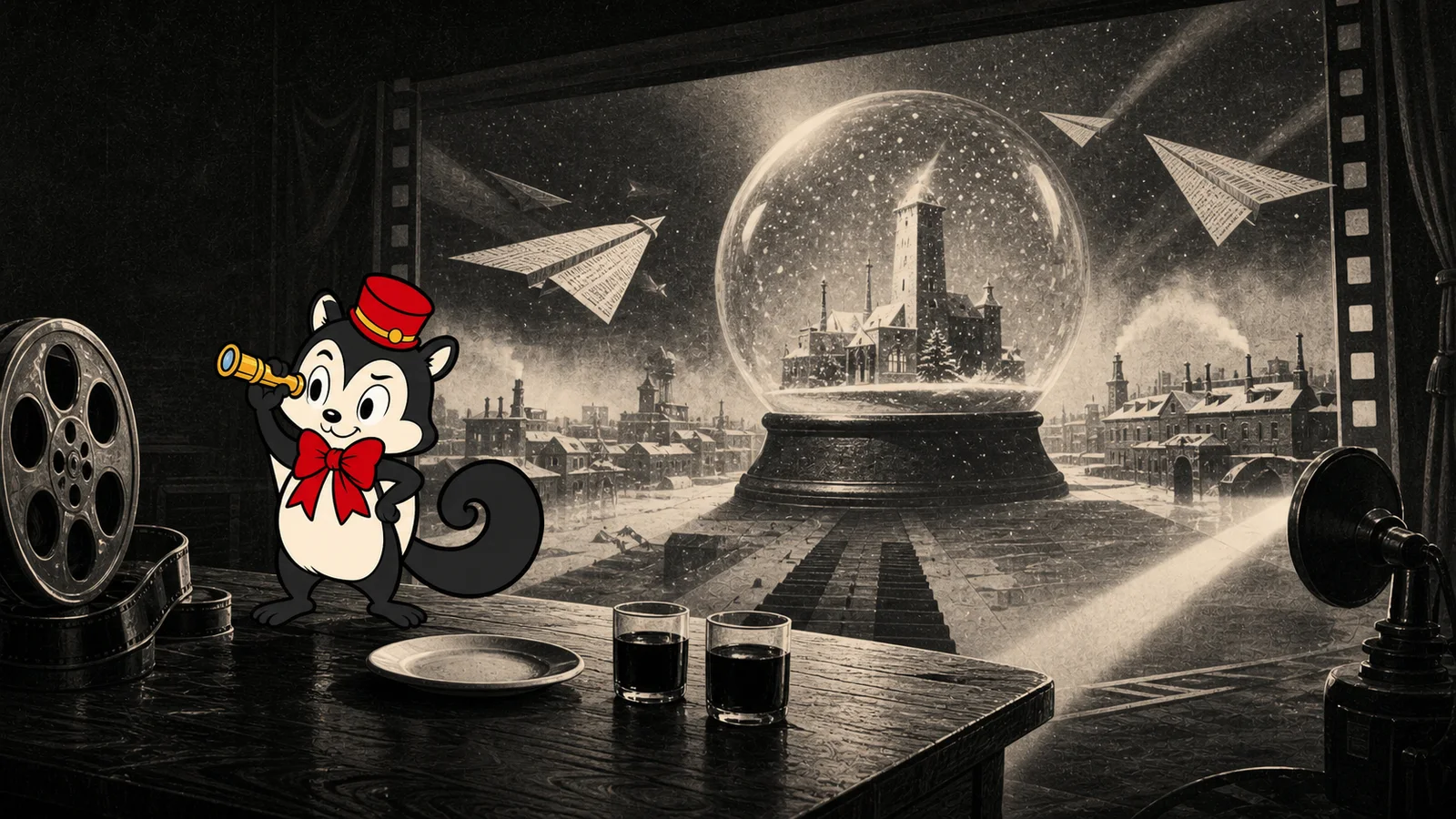
If someone tells you that a film is a masterpiece before you see it, have they helped you—or tampered with the evidence?
Why is Citizen Kane considered a masterpiece? Its deep-focus images, layered sound, editing, design and fractured testimony keep serving the same idea: a person cannot be recovered from one angle. Its greatness lies in accumulated precision rather than one overwhelming trick.
Is Citizen Kane overrated? Its reputation is not empty, but it can overpromise intensity; you do not owe the canon a prescribed amount of pleasure. Describe what the film is doing, then decide whether those choices matter to you.
Not long ago, I chose a more expensive serving of pork marketed as premium. Its reputation arrived before the plate. The difference was real but quiet: lighter fat, more yielding meat, less heaviness afterwards. It was better in several precise ways without being ten times more pleasurable.
That small mismatch—between detectable quality and dramatic enjoyment—is useful when approaching a film such as Citizen Kane.
Quality does not always announce itself as intensity. Some masterpieces may be built from differences as fine as texture and balance; knowing what to notice can distort the experience or make that precision available.
The Label Enters the Experience
Taste is not a sealed channel carrying information directly from food to judgement. Context enters.
In a widely cited experiment, Hilke Plassmann and colleagues gave participants wines while varying the prices they were told. Higher stated prices increased reported pleasantness and activity in a brain region associated with experienced pleasantness, even when the liquid was the same. [1] A later study using identical wines with different price cues found that valuation and affect-regulation systems helped translate expectation into reported taste pleasure. [2]
Experience is assembled from more than molecules. Expectation, attention, memory and the immediate sensory event meet before we produce a judgement.
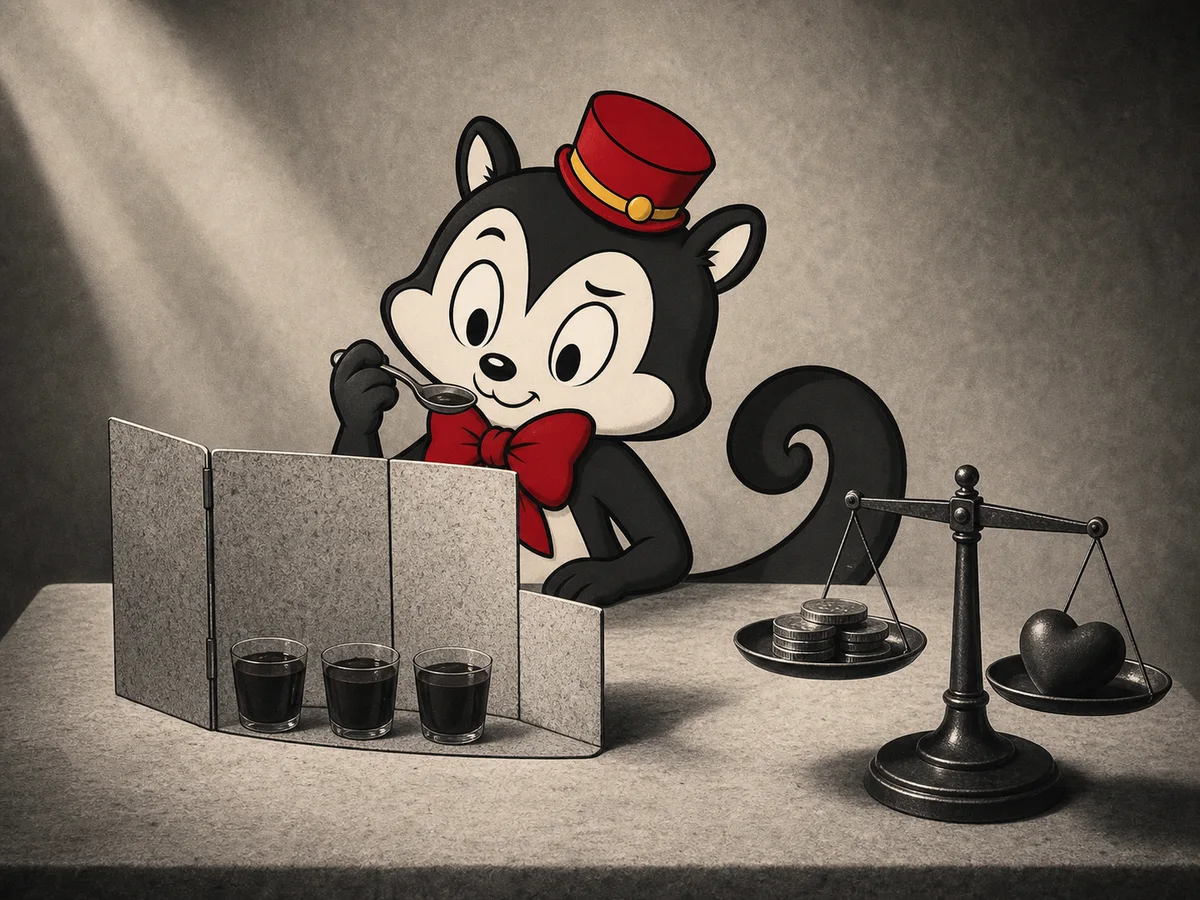
Blind tasting exposes another side of the problem. In more than 6,000 blind assessments analysed by Robin Goldstein and colleagues, non-expert enjoyment had a small negative relationship with price; participants with wine training showed signs of a more positive relationship. [3] Charles Spence’s 2024 review similarly finds that price and liking are often weakly or negatively related when ordinary consumers taste blind, while price and label information can alter evaluations when revealed. [4]
Price, expertise and pleasure measure different things. Costly labour or scarce material need not produce a proportionally larger sensation. A trained taster may detect qualities another person misses. A label may change a report—or direct attention towards a feature that was there all along.
Film culture has its own labels: canon, classic, landmark, greatest of all time. They can be intimidating. They can also be maps.
Practical uncertainty need not add pressure: choose a presentation with the Citizen Kane version guide.
Two Citizen Kanes
Godfrey Cheshire begins his Library of Congress essay with a useful distinction. There is Citizen Kane, the 1941 film, and there is ‘CITIZEN KANE’, the reputation that gathered around it. The first received considerable critical praise but disappointing box-office returns; the second hardened into an idea of ‘the greatest film’ through decades of criticism. [5]
When a new viewer presses play, both arrive at once.
The reputational version can damage the encounter. Instead of following a dying man’s last word through a maze of testimony, the viewer audits every scene for greatness. Playful, excessive or simply strange moments become evidence for a verdict. The film turns into an examination question.
Yet the reputation can also ask better questions. Why does a room feel unusually deep? Why can action in the foreground and background remain legible at the same time? Why does one life reach us through a newsreel, interviews, memories and contradictions rather than a single authoritative account?
The label becomes useful when it stops telling us what to feel and starts telling us where to look.
Quality as Accumulated Precision
The American Film Institute’s production record preserves Gregg Toland’s explanation of the visual strategy. He and Orson Welles planned longer scenes in which important action could occur simultaneously at widely separated points in the foreground and background. Powerful lighting, fast film stock, coated wide-angle lenses and small apertures helped maintain sharp focus through unusually deep sets. [6]
Those facts do not command delight. Together they change the way a scene behaves.
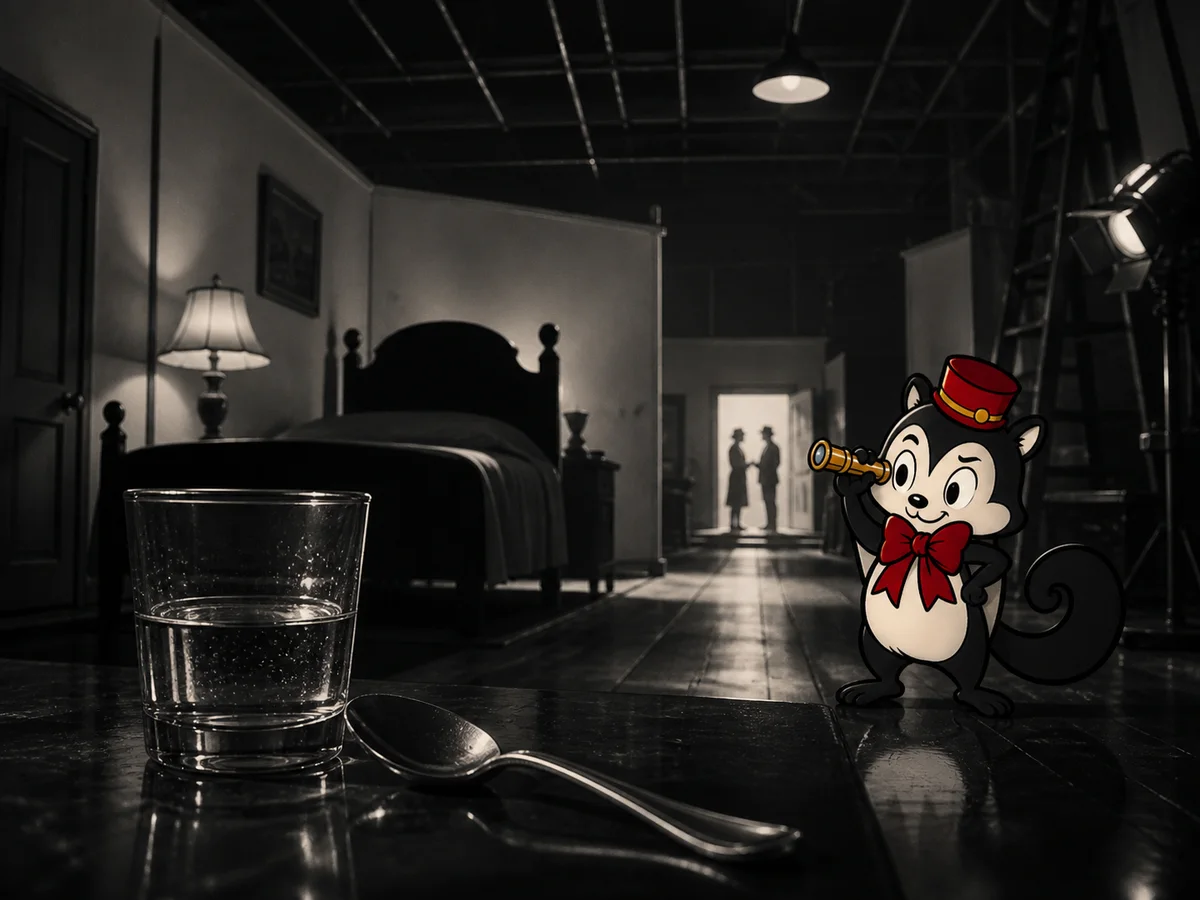
Consider the childhood scene in which young Charles plays outside while adults decide his future indoors. The visual achievement is not merely that near and far objects look sharp. The composition makes two scales of action coexist: a child moving freely in the distance and a contract closing around him in the foreground. Depth becomes dramatic irony. The adults can see him; they still speak as though his life were transferable property.
Elsewhere, ceilings press down because the camera is low enough to include them. A glass and spoon can dominate the foreground while a human crisis continues behind. Transitions collapse years of a marriage into changes of posture, distance and tone at a breakfast table. The famous newsreel supplies an apparently complete public life, after which the film spends its remaining time showing why completeness is impossible.
The craft is cumulative. Deep focus, sound, editing, production design and fractured narration repeatedly serve the same idea: a person cannot be recovered from one angle. Form and subject make the argument at different scales.
This is closer to that premium pork than to a firework. The distinction lies in a series of exact adjustments. The pleasure may not become enormous; perception becomes more articulated.
Expertise Without Obedience
There are two bad ways to use knowledge.
The first is surrender: experts called this great, so I must agree. The second is defensive independence: experts called it great, so any pleasure I feel must be contaminated.
Both assume that context can only command. In practice, knowledge can function as an invitation. Learning about deep focus does not oblige us to admire every composition. It allows us to test what the depth is doing. Knowing the film’s fragmented structure does not solve Kane. It lets us notice how each witness selects a different man.
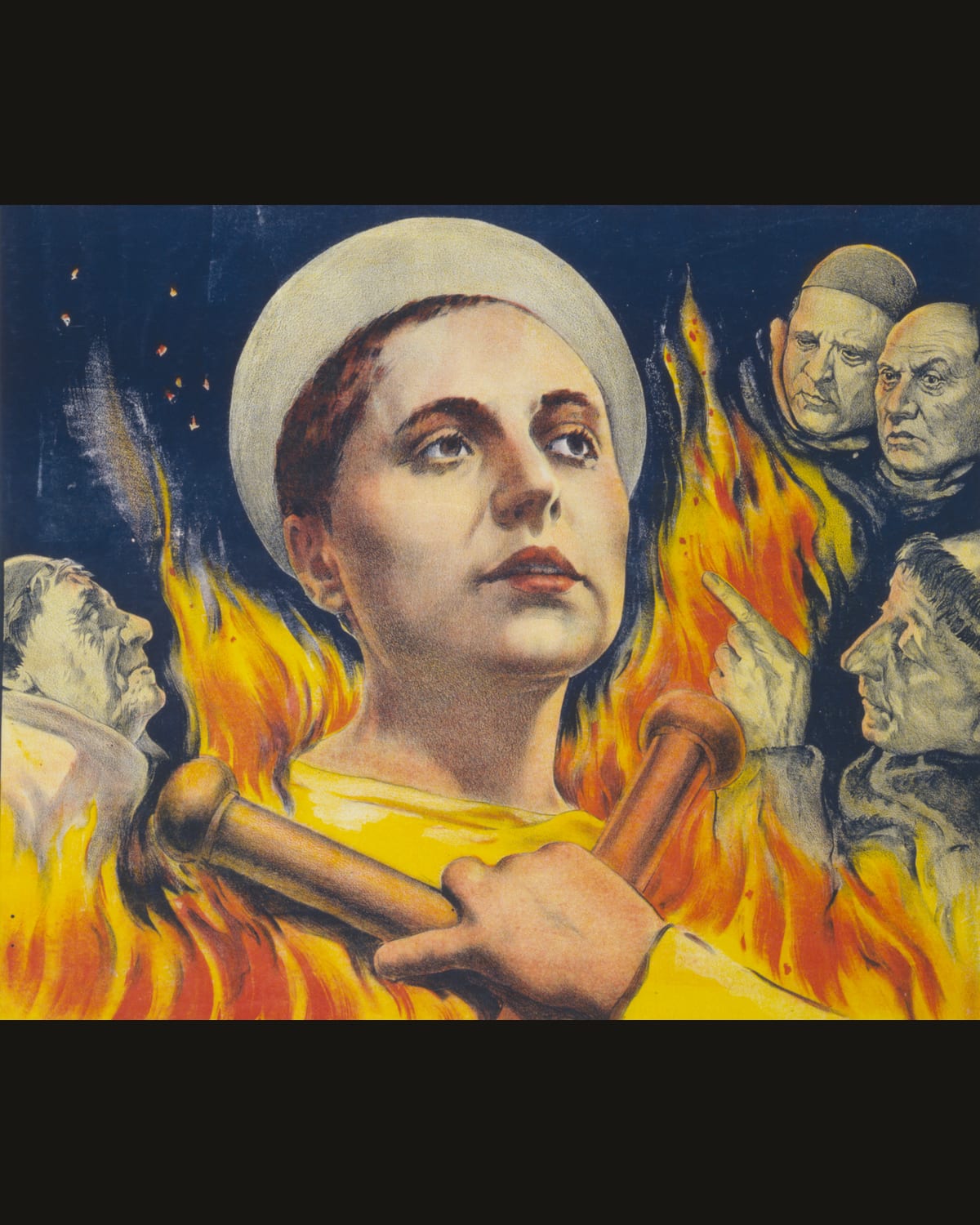
The same habit opens other black-and-white films. In Late Spring, repeated domestic spaces reveal change without spectacle. In The Third Man, tilted streets make moral imbalance spatial. In The Passion of Joan of Arc, tiny alterations of face and gaze carry the weight another film might assign to scenery. Each rewards exact description rather than an approved amount of pleasure.
This is the humane purpose of a canon at its best. It does not issue a score. It preserves reasons to look again.
What the Masterpiece Label Can and Cannot Do
A label alters expectation, and the research gives us reason to distrust fantasies of context-free judgement. Yet context can also educate perception.
If one sample required more careful breeding, handling or preparation, that knowledge may help you name a lighter texture or cleaner finish. It may also make you overvalue the difference. Attention and suggestion arrive through the same door.
Film knowledge has the same ambiguity. ‘Masterpiece’ can inflate expectation until subtlety feels disappointing, or point towards an achievement living in the coordination of hundreds of choices.
The useful approach is to hold reputation lightly enough that the film can disagree with it, and specifically enough that admiration has content.
Knowing what to notice cannot settle the verdict. It can make your own verdict more precise.
References
- Hilke Plassmann, John O’Doherty, Baba Shiv and Antonio Rangel, ‘Marketing Actions Can Modulate Neural Representations of Experienced Pleasantness’, Proceedings of the National Academy of Sciences, 105.3 (2008), 1050–54.
- Liane Schmidt, Vasilisa Skvortsova, Claus Kullen, Bernd Weber, and others, ‘How Context Alters Value: The Brain’s Valuation and Affective Regulation System Link Price Cues to Experienced Taste Pleasantness’, Scientific Reports, 7 (2017), 8098.
- Robin Goldstein, Johan Almenberg, Anna Dreber, John W. Emerson, Alexis Herschkowitsch and Jacob Katz, ‘Do More Expensive Wines Taste Better? Evidence from a Large Sample of Blind Tastings’, Journal of Wine Economics, 3.1 (2008), 1–9.
- Charles Spence, ‘Cognitive Influence on the Evaluation of Wine: The Impact and Assessment of Price’, Food Research International, 187 (2024), 114411.
- Godfrey Cheshire, ‘Citizen Kane’, National Film Registry essay, Library of Congress; first published in The A List (2002).
- American Film Institute, ‘Citizen Kane’, AFI Catalog of Feature Films (accessed 16 August 2026).
On screen
Films discussed
- Citizen Kane (1941) · Orson Welles
Continue exploring on Monocurator

Want a recommendation shaped around your evening? Ask Momo what to watch next →