See Films Differently Momo Notices
Ah, If Only These Were Black-and-White Films…
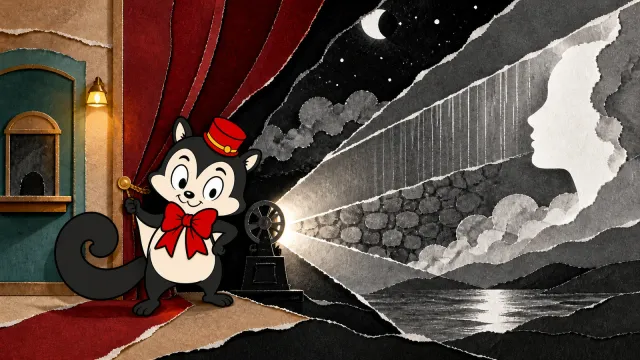
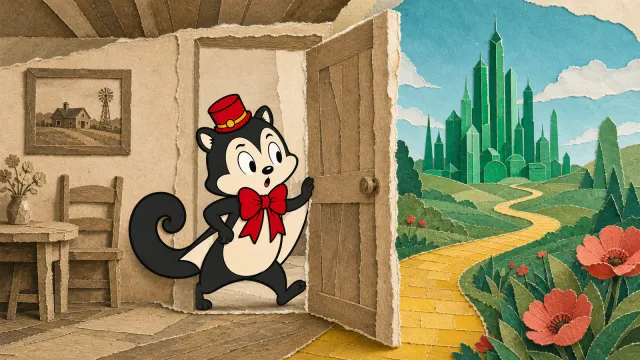
Momo recruits The Purple Rose of Cairo, Edward Scissorhands, Pig, Charade and Mulholland Drive, then suggests four routes into predominantly monochrome cinema.
Five Colour Films We Would Happily Claim as Our Own
Momo has been inspecting the opposition. The colour-film army has some very good people. An unreasonable number, frankly. Five recruitment letters are being prepared.
The terms are generous: everyone keeps their colours. This is a black-and-white film site indulging in affectionate envy, not proposing improvements to somebody else’s photography. What makes these films tempting is the way they give a face, a gesture or an impossible longing enough room to hold the screen.
Those pleasures run through the cinema we collect here. They also refuse to respect our filing system.
The Purple Rose of Cairo (1985)
There is an obvious shortcut to recruiting Woody Allen’s film: it already contains a black-and-white picture. But its strongest qualification is on the other side of the screen.
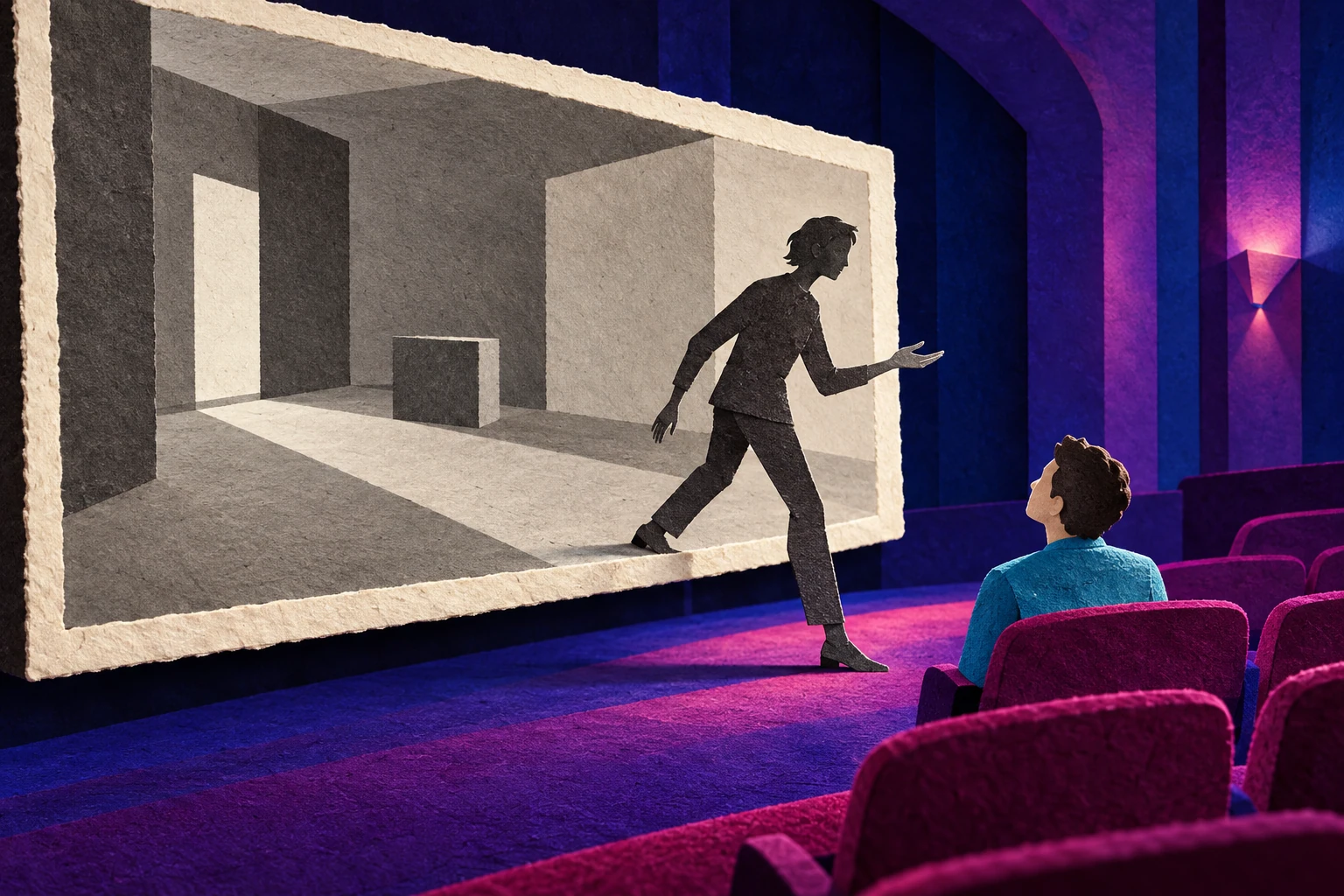
Cecilia, played by Mia Farrow, goes to the cinema. The extraordinary thing is that somebody in the film notices. Jeff Daniels’s Tom Baxter steps out of the projected story and into the auditorium, crossing a boundary that usually allows attention to travel in only one direction.
An audience member can know a face intimately without ever being known in return. This little impossibility reverses the arrangement. For once, all that looking has registered somewhere.
That makes the fantasy more intimate than a general celebration of movie magic. The question becomes how a person lives beside the people they have learnt to want from films. A screen romance arrives with an extraordinary advantage: its gestures have already been chosen, its hesitations arranged. Real people have rather less assistance.
Our recruitment letter goes to the whole predicament. The longing would belong in this company even without the monochrome film inside it.
Edward Scissorhands (1990)
Edward has the silhouette for the job. Tim Burton gives him a dark, angular figure against a neighbourhood of pastel houses. Even before he tries to fit into its daily life, the picture has made the mismatch legible.
The hands matter more than any resemblance to an older screen monster. They turn ordinary contact into a problem. Then the same scissors cut shapes into hedges and carve ice; Kim dances beneath the falling shavings.
The ice scene gives the difference a beautiful physical consequence. Edward’s work creates a space Kim can stand inside. His hands can change the world around her, even while direct contact remains difficult.
There is nothing quaint about that problem. A person may have something wonderful to offer and still find the ordinary arrangements of companionship painfully awkward.
The cheerful colours sharpen it. This is a community dressed as a welcome, with a newcomer who cannot stop looking out of place. Remove the pastels and some of that social comedy disappears. We want the fairy tale, the expressive body and the loneliness. The houses should stay exactly as they are.
Pig (2021)
This candidate arrives without much polish. Michael Sarnoski’s Pig sends Nicolas Cage’s Oregon truffle hunter into Portland to find his stolen pig. Its premise has room for a noisy film. Our interest here is in its conversations.
Consider the restaurant meeting with another chef. A place organised around professional accomplishment becomes the setting for an uncomfortable conversation about what that accomplishment is worth.
Rob questions the chef’s concern for the opinions of customers and critics. Sarnoski describes the scene as reaching beyond restaurant work to whatever job or passion a viewer might have.
A prestigious restaurant does not, by itself, explain what its chef wants. Attention shifts from the food to the person making it. That gap, and the conversation it produces, earns the film its recruitment letter.
Food belongs to the same argument. It can be priced and displayed, but it can also carry somebody’s attention to somebody else. Pig makes that distinction matter to people who have lost things. The search includes violence and grief, far from the cosy animal adventure its title might suggest.
Charade (1963)
Audrey Hepburn and Cary Grant. The recruitment department could submit those two names and go home.
It would miss the pleasure of watching them work. Stanley Donen’s Charade gives Hepburn’s Regina Lampert a dangerous problem in Paris and a charming man whose reliability is rather harder to establish than his attractiveness.
Grant’s suit becomes especially useful when he takes a shower in it. A familiar image of impeccable composure becomes a ridiculous domestic performance. He remains recognisably Cary Grant while making that recognition funny.
Hepburn is an active participant in the game. Her curiosity and pursuit keep pushing against his evasions. The pleasure comes from the changing advantage between them: who is doing the asking, who is enjoying the delay, who has managed to make the other look foolish.
The suspense benefits from that attraction. Wanting someone to be trustworthy is an excellent way to make uncertainty uncomfortable. Charade puts the viewer in the pleasingly compromised position of hoping charm counts as evidence.
This one can bring its entire wardrobe.
Mulholland Drive (2001)
David Lynch’s film would probably decline to provide a fixed address on the application form.
Its Hollywood has a recognisable invitation: come here, become someone. Betty arrives hoping to act; an encounter with a woman who cannot remember her identity draws her into another story. The discoveries are best left to the film.
Betty’s audition is enough to make the case. The rehearsal and the performance do not leave the same impression. Naomi Watts makes a person we thought we could read become startlingly less familiar.
Acting becomes the event, rather than a piece of business required to advance the plot. A face we have already been watching acquires another capacity. Our earlier confidence about its owner looks premature.
This is the attraction for a site devoted to a cinema rich in dangerous faces and unreliable appearances. The glamour draws attention; the film makes that attention increasingly difficult to trust. Its beauty has an uneasiness that belongs to this particular Los Angeles, not to a decorative reconstruction of the past. Blue and red are quite safe from our recruitment department. Nobody has been issued a desaturation switch.
The company they would keep
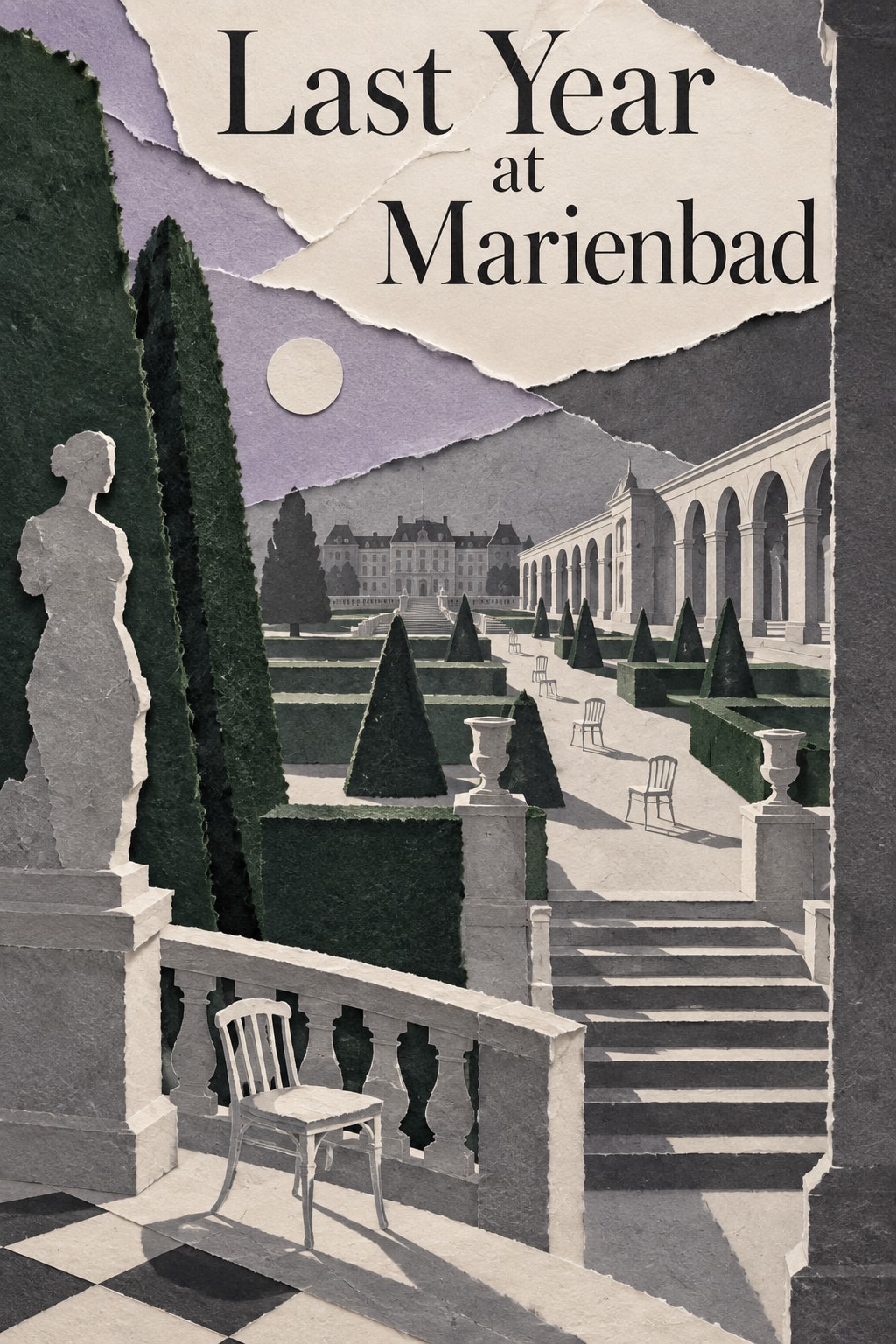
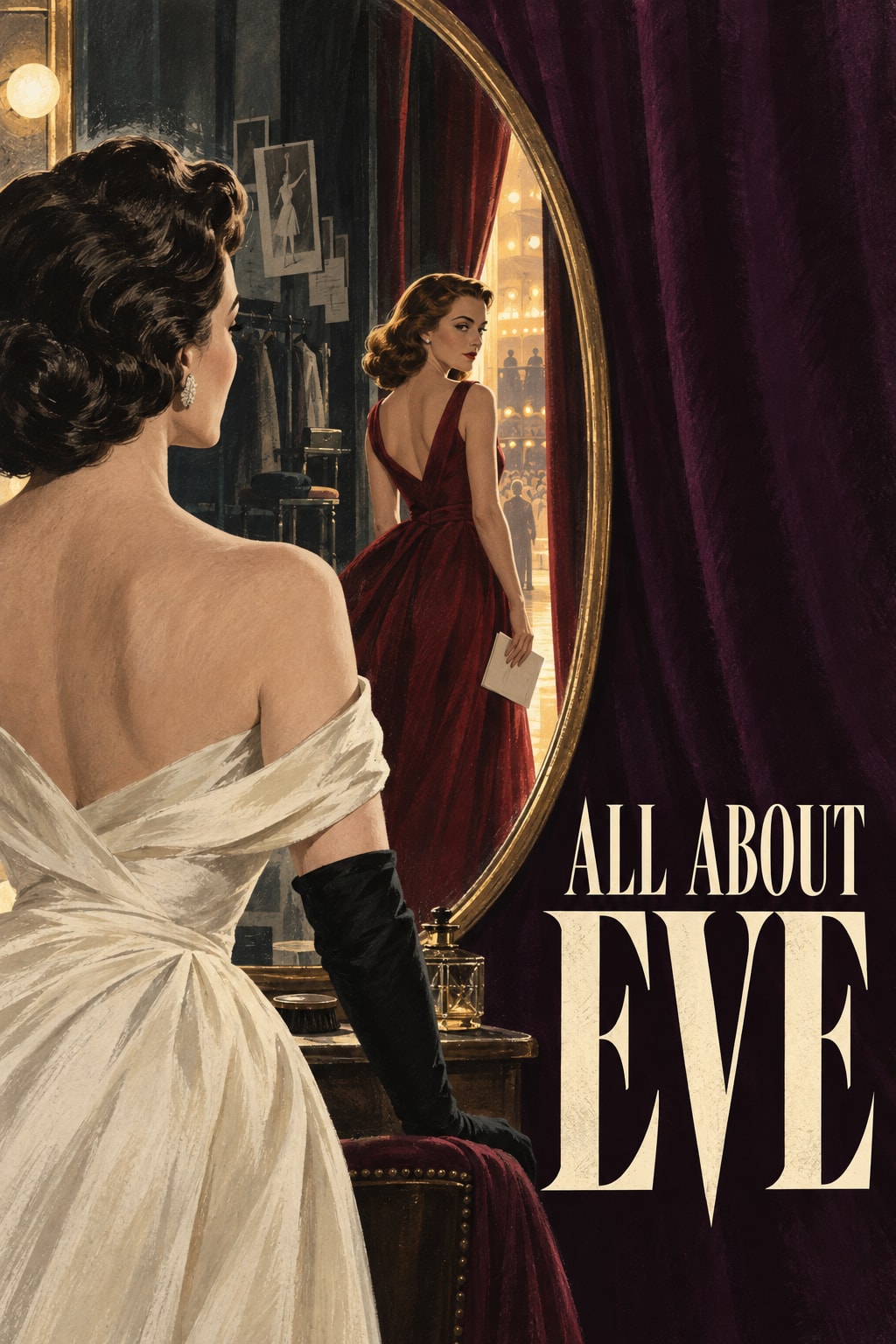
The point of this raid on colour cinema is to give familiar pleasures another route home. If the unstable glamour of Mulholland Drive appeals, try the rooms and uncertain recollections of Last Year at Marienbad. If Charade leaves you wanting to watch people gain ground through conversation, All About Eve makes a formidable next appointment.
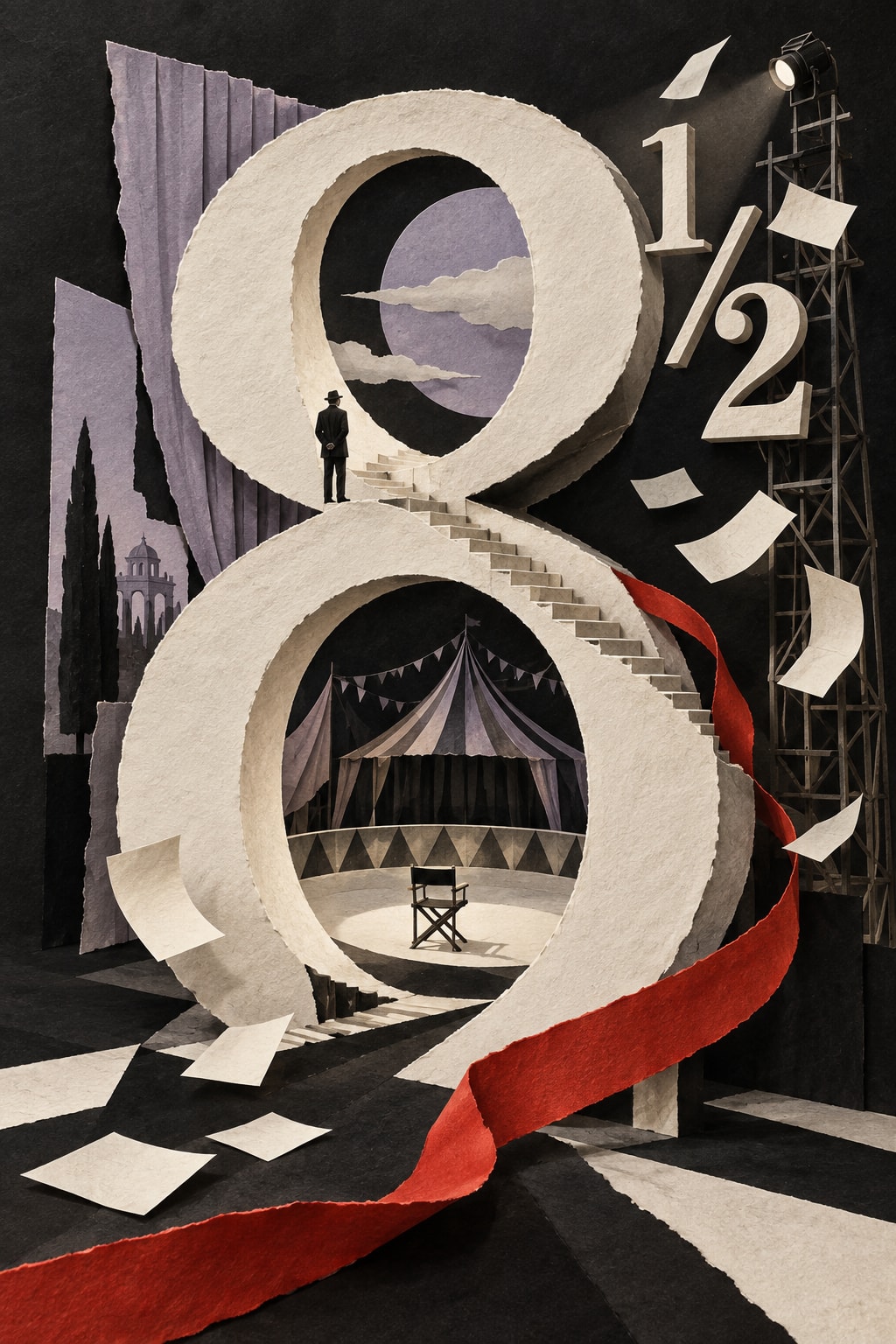
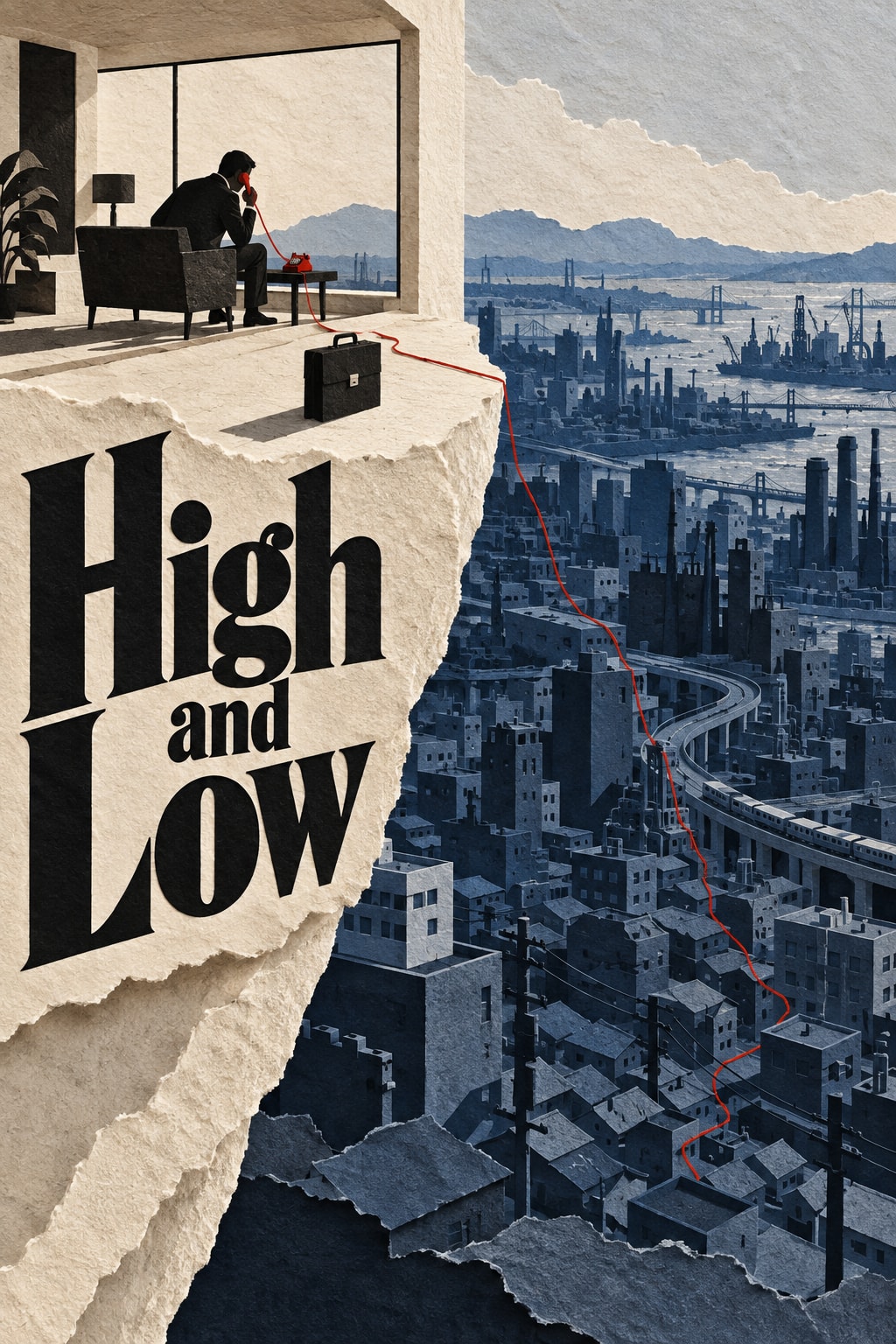
8½ offers a different collision between films, fantasy and the troublesome people who live beyond both. And the predominantly monochrome High and Low turns a roomful of people and a question of money into an exacting test of what a person will do.
Even within black-and-white cinema, these are markedly different invitations: uncertain memories, verbal contests, the confusion of making a film, and a decision about money.
Momo’s recruitment campaign has failed. All five films remain in colour. The evening’s programme, however, is looking considerably stronger.
References & Further Reading
Factual film records and scene accounts are linked beside the passages they support. The proposed affinities and recruitment arguments are Monocurator’s readings.
- CBS News, ‘Cinematographer Gordon Willis 1931–2014’, photographic retrospective.
- David Parkinson, ‘The 18 best cinemas on screen’, BFI, 11 July 2017. Film-institute feature; the section on The Purple Rose of Cairo describes the screen crossing.
- Jonathan Romney, ‘Pig follows Nicolas Cage sniffing out his porcine companion’s whereabouts’, Sight and Sound, 19 August 2021. Critical review; a useful, less indulgent reading of the film.
- Michael Sarnoski, interview in ‘On Writing/Directing Pig: A Conversation w/ Michael Sarnoski’, On Story, series 12, episode 10, Austin Film Festival / Austin PBS, 30 August 2022. Primary production interview, with transcript; includes discussion of the restaurant scene.
- Richard Pickard, ‘Tim Burton: 10 essential films’, BFI, 7 August 2024. Film-institute feature; context for Edward Scissorhands and its visual contrasts.
Some linked film records and reviews describe endings that this article leaves undisclosed.
For the next unexpected question, follow the Journal in your RSS reader.
On screen
Films discussed
- The Purple Rose of Cairo (1985) · Woody Allen
- Edward Scissorhands (1990) · Tim Burton
- Pig (2021) · Michael Sarnoski
- Charade (1963) · Stanley Donen
- Mulholland Drive (2001) · David Lynch
Continue exploring on Monocurator
Further reading
Read next in the Journal
Want a recommendation shaped around your evening? Ask Momo what to watch next →