Seasonal doorway
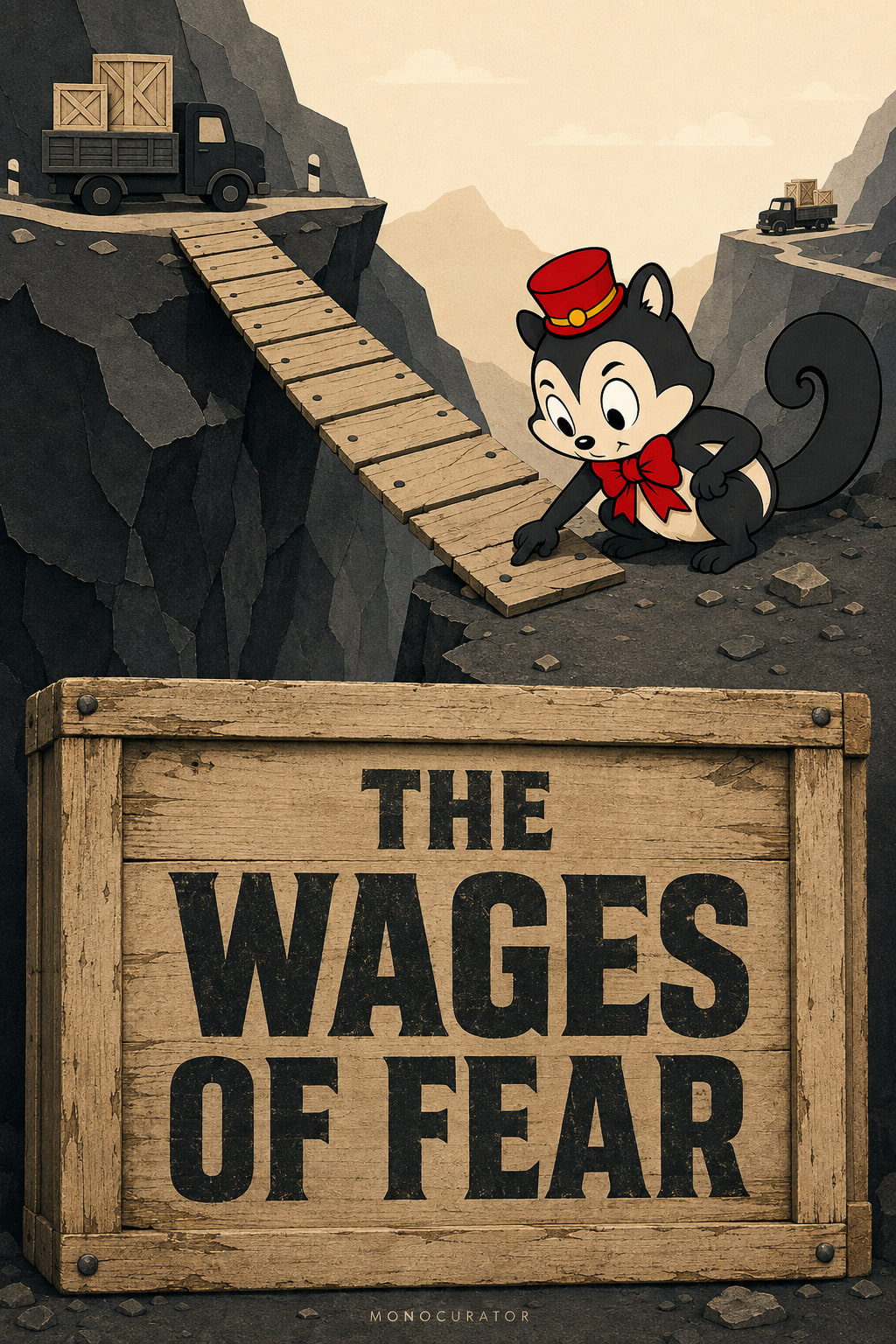
What Should I Watch on a Hot Night? Start with The Wages of Fear
A practical summer-night movie guide: choose The Wages of Fear, The Set-Up, The Third Man or Psycho by runtime, mood, and how you want the heat to feel.
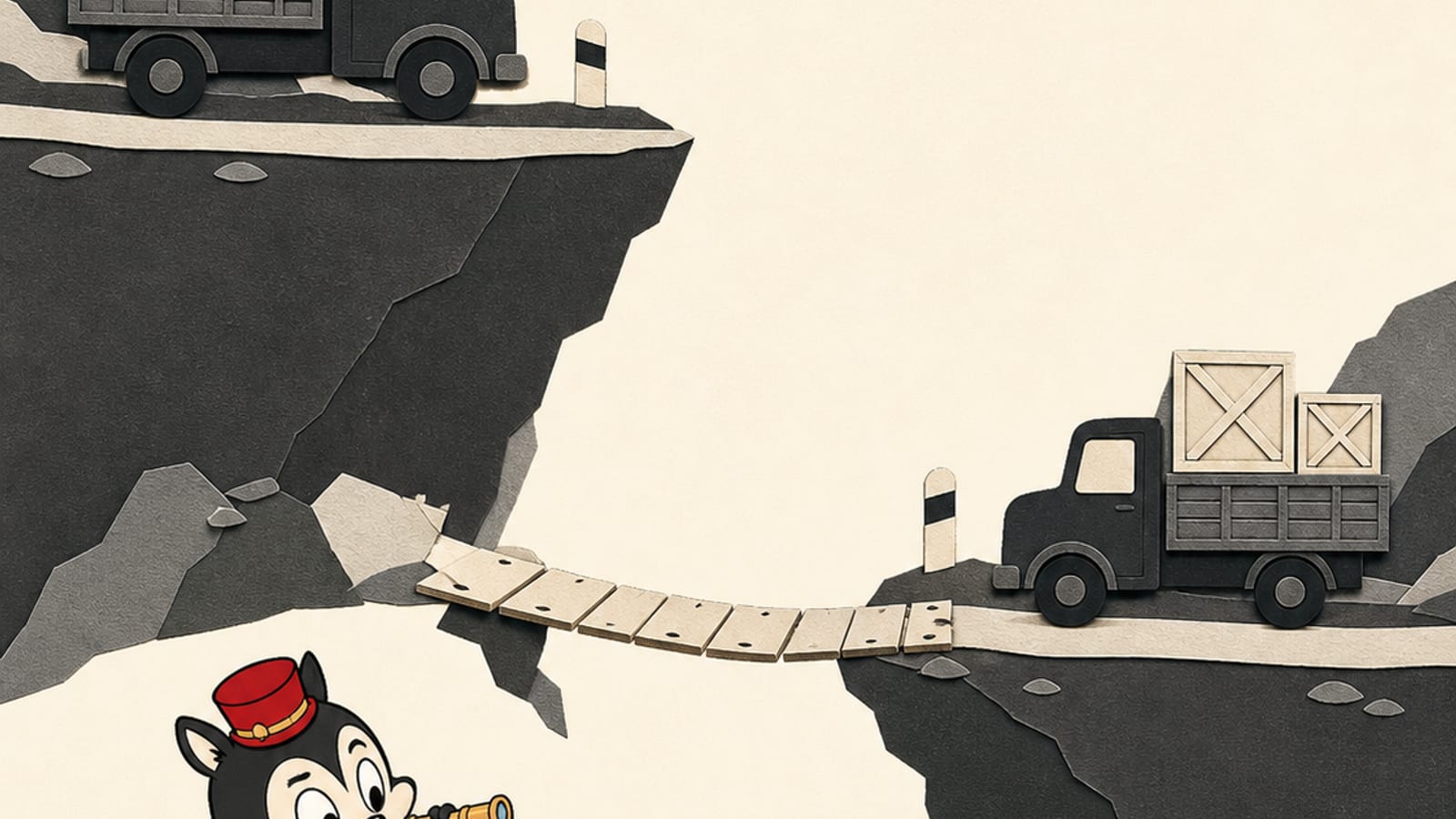
The direct answer: start by deciding what you want the heat to do. Choose The Wages of Fear for the full sweltering ordeal, The Set-Up for the shortest pressure cooker, The Third Man for a shadowy mystery, or Psycho when you want the night to tip into horror.
| Tonight you want | Watch | Runtime | Why choose it |
|---|---|---|---|
| Heat to become part of the suspense | The Wages of Fear | 152 min | Waiting, sweat and physical danger become the evening’s texture |
| The shortest tense classic | The Set-Up | 73 min | A compact, bleak drama instead of an extended journey |
| Mystery rather than survival suspense | The Third Man | 104 min | Crooked streets and uncertainty replace the open road |
| A sharper horror register | Psycho | 109 min | The pressure comes from withheld knowledge and fear |
The Wages of Fear remains the default recommendation. At 152 minutes in Criterion’s current listing, it is not the choice for a quick or soothing evening. It is the choice when the room is already uncomfortable and you want the film to use that discomfort.
Compare Clouzot’s original, Sorcerer, and the 2024 remake if you are choosing between the three films.
Some summer recommendations promise escape: sea air, bright colour, a holiday. This one does the opposite. It makes the temperature feel like part of the screening.
What the sources establish
The following are facts from the sources checked for this guide, not Monocurator’s interpretation:
- The Wages of Fear is a 1953 French film directed by Henri-Georges Clouzot.
- Criterion currently lists its presentation at 152 minutes, in black and white, with French, Spanish, English, Italian, and German dialogue.
- The premise sends four desperate men in two trucks across dangerous terrain with nitroglycerin intended for an oil fire.
- Criterion identifies its current release as a new 4K digital restoration and separately documents cuts made for the shortened 1955 U.S. release.
- The Festival de Cannes record lists the film in competition in 1953 and records its Grand Prix.
- BFI’s current restored-presentation page lists 2 hours 33 minutes and identifies an original French theatrical version with material restored from earlier home-video presentations.
The official 152- and 153-minute timings do not, by themselves, prove two different narrative cuts. Catalogue timing can vary by rounding or presentation details. Edition labels and source histories are more useful than one minute on a product page.
Why it works on a hot night
This section is Monocurator’s editorial reading.
The film does not begin with the trucks. It begins with people stuck in a place where heat, poverty, boredom, and corporate power have narrowed their choices. The long first movement matters because it explains why anyone would accept a job that is so obviously dangerous.
Once the engines start, temperature becomes only one part of a larger physical problem. The cargo cannot be treated casually. Every rough patch, turn, stop, and change of distance has to be judged. Clouzot makes suspense out of practical work rather than hidden information: the viewer can often see exactly what must be done and exactly why doing it may be fatal.
That is the hot-night fit. Your discomfort does not imitate the characters’ danger, and it should not be romanticized as if it did. It simply makes the film’s attention to sweat, waiting, friction, and exhaustion unusually immediate.
How to ease in
Give the film the whole evening. Do not start at the trucks and do not treat the first section as a prologue to be endured. It establishes the economic trap and the relationships that the journey will put under pressure.
Think of the film in two movements:
- The town: waiting, rivalry, money, and the absence of good exits.
- The road: two trucks, fragile cargo, limited information, and a series of physical decisions.
Once the journey begins, keep track of which crew is ahead and what each crew can know. The suspense often depends on distance between the vehicles rather than surprise.
Heads-up: sustained explosive peril, fatal accidents, fire aftermath, violence, death, poverty, racist and colonial-era attitudes, harsh treatment of women, and a deliberately abrasive first movement.
Which version should you choose?
For a first watch, choose a restored presentation identified as the original French theatrical version, running roughly 152–153 minutes in the current Criterion and BFI listings.
Criterion’s current page lists 152 minutes and a new 4K restoration. BFI Player lists 153 minutes and says its restoration returns four minutes absent from prior home-video releases. Criterion also identifies the 1955 U.S. release as shortened in its edition materials.
Use the Film page’s Version map and checked sources before treating a runtime as a cut name. A listing that explicitly says “1955 U.S. release version” is a different clue from a one-minute catalogue discrepancy.
The sources reviewed here do not establish that every service, disc, subtitle track, or master is identical. Check the exact title, version label, runtime, language, subtitles, territory, and playback compatibility at the destination.
If 152 minutes is too much tonight
The three alternatives keep the pressure but change the commitment. Choose The Set-Up when runtime is decisive, The Third Man when you want mystery rather than survival suspense, or Psycho when horror sounds more inviting than an extended journey. Their runtimes and moods in the guide above come from the current Monocurator Film records.
For a sequence rather than one feature, If you only watch one film noir includes The Third Man and The Set-Up in a four-film route. If Psycho is tonight’s choice, the Journal has a separate guide to what to watch after Psycho.
Viewing and reading searches
Availability, prices, stock, and territories change. Monocurator does not currently expose a retailer-search set for The Wages of Fear, so this article does not invent one or imply that the film is unavailable.
The three shorter alternatives do have ordinary, non-affiliate discovery searches:
- Check The Set-Up viewing and reading options
- Check The Third Man viewing and reading options
- Check Psycho viewing and reading options
Verify the exact film, edition, service, seller, region, language, subtitles, price, and playback terms yourself. These links are searches, not availability promises.
The bottom line
If the night is hot and you want relief, choose something else. If you want the weather outside the screen to sharpen what is happening inside it, choose The Wages of Fear.
Start early, keep the first movement, choose a restored 152–153-minute French theatrical presentation, and let the room stay a little uncomfortable.
Sources and checking notes
Sources were checked on July 27, 2026.
- The Criterion Collection: The Wages of Fear — 1953, France, 152 minutes, languages, premise, cast, credits, new 4K restoration, and documentation of cuts made for the 1955 U.S. release.
- Festival de Cannes: Le Salaire de la peur — official 1953 competition record, director, country, credits, and Grand Prix.
- Festival de Cannes: Clouzot restoration feature — 2017 Cannes Classics restoration context and history.
- BFI: 10 great stressful films — institutional editorial description of the sweltering town, slow build, and suspense construction.
- BFI Player: The Wages of Fear — 153-minute listing and identification of a restored original French theatrical version with four minutes restored from prior home-video releases.
No claim is made here about current streaming access, retailer stock, price, or availability outside the exact pages and territories a reader checks.
Continue exploring on Monocurator

Want a recommendation shaped around your evening? Ask Momo what to watch next →