Director doorway
Where to Start with Billy Wilder: 4 Films to Watch First
Start with Some Like It Hot, then choose Double Indemnity for noir, Sunset Blvd. for Hollywood, or The Apartment for bruised romance.
The shortest answer: start with Some Like It Hot. It is the broadest first doorway into Billy Wilder: fast, funny, musical, and easy to follow even as its disguises and bargains multiply.
Billy Wilder is easy to admire and unusually difficult to summarise. One film races through disguise and desire. Another turns an insurance policy into a murder machine. Another finds loneliness inside an office comedy. The common element is not genre; it is the sharpness with which people turn need into a bargain. If you already know which mood you want, choose the matching doorway below.
Choose your first Billy Wilder film
| If you want… | Start with | What you will get |
|---|---|---|
| The broadest, funniest welcome | Some Like It Hot | Music, disguises, pace, and escalating complications |
| Film noir | Double Indemnity | Hard dialogue and a murder plan that keeps tightening |
| Hollywood looking at itself | Sunset Blvd. | Glamour, decay, gothic space, and poisoned comedy |
| Bruised romance | The Apartment | Tenderness, workplace damage, and moral compromise |
The best first film: Some Like It Hot
Some Like It Hot (1959) is the broadest welcome. Two musicians witness a gangland killing, disguise themselves to join an all-woman band, and spend the rest of the film trying to remain safe while every lie creates a more complicated practical problem.
The plot is outrageous, but the wants remain clear: work, safety, romance, freedom, and a chance to become less trapped. Marilyn Monroe, Tony Curtis, and Jack Lemmon each play at a different comic speed, which keeps two hours of complications buoyant.
Watch it first if: you want laughter, music, pace, and the film most likely to win over someone who says old movies feel slow.
How to ease in: the gangster opening is only the fuse. Once the band leaves town, settle into the farce. Treat the disguises as comic machinery rather than realism, and notice how every solution becomes the next problem.
Then see how dark the machinery can become: Double Indemnity
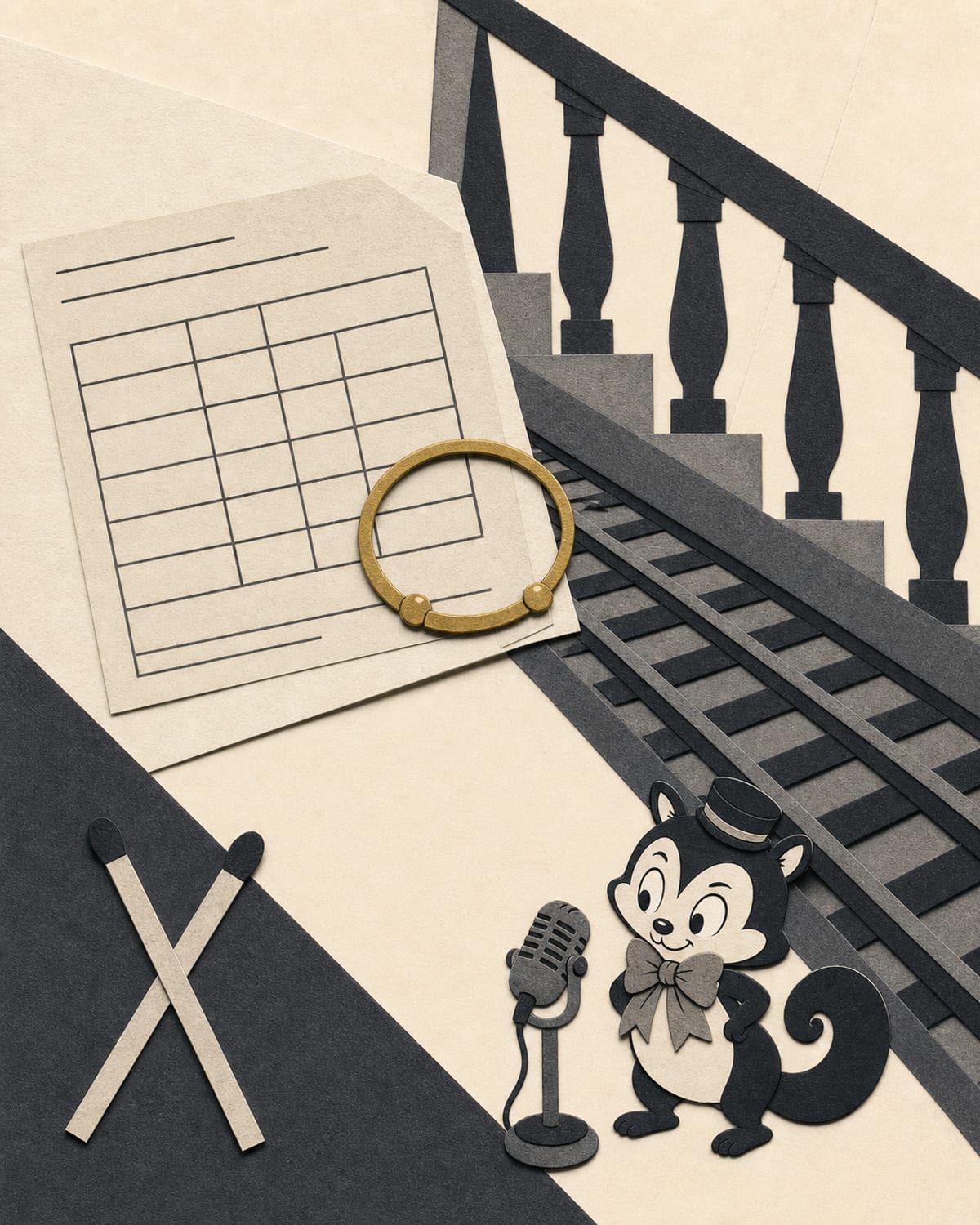
Double Indemnity (1944) begins with a confession, so the question is never simply whether the plan will work. The suspense comes from watching desire become procedure and procedure become a trap.
The insurance office is not background decoration. Policies, statistics, claims, and professional intuition give the story its language. Fred MacMurray’s Walter Neff keeps explaining his choices, while Edward G. Robinson’s investigator listens for the detail that does not fit. Barbara Stanwyck’s Phyllis Dietrichson makes calculation feel like attraction before it feels like danger.
Watch it first if: you want the cleanest doorway into film noir, hard dialogue, and a story that keeps tightening.
How to ease in: let the voice-over be testimony rather than objective truth. Listen for the moments when practical insurance language begins doing the work of seduction and self-justification.
After watching, When a Confession Still Has a Punchline follows the jokes in Neff’s account and the responsibility they acknowledge or leave out. It discusses the ending.
For Hollywood looking at itself: Sunset Blvd.
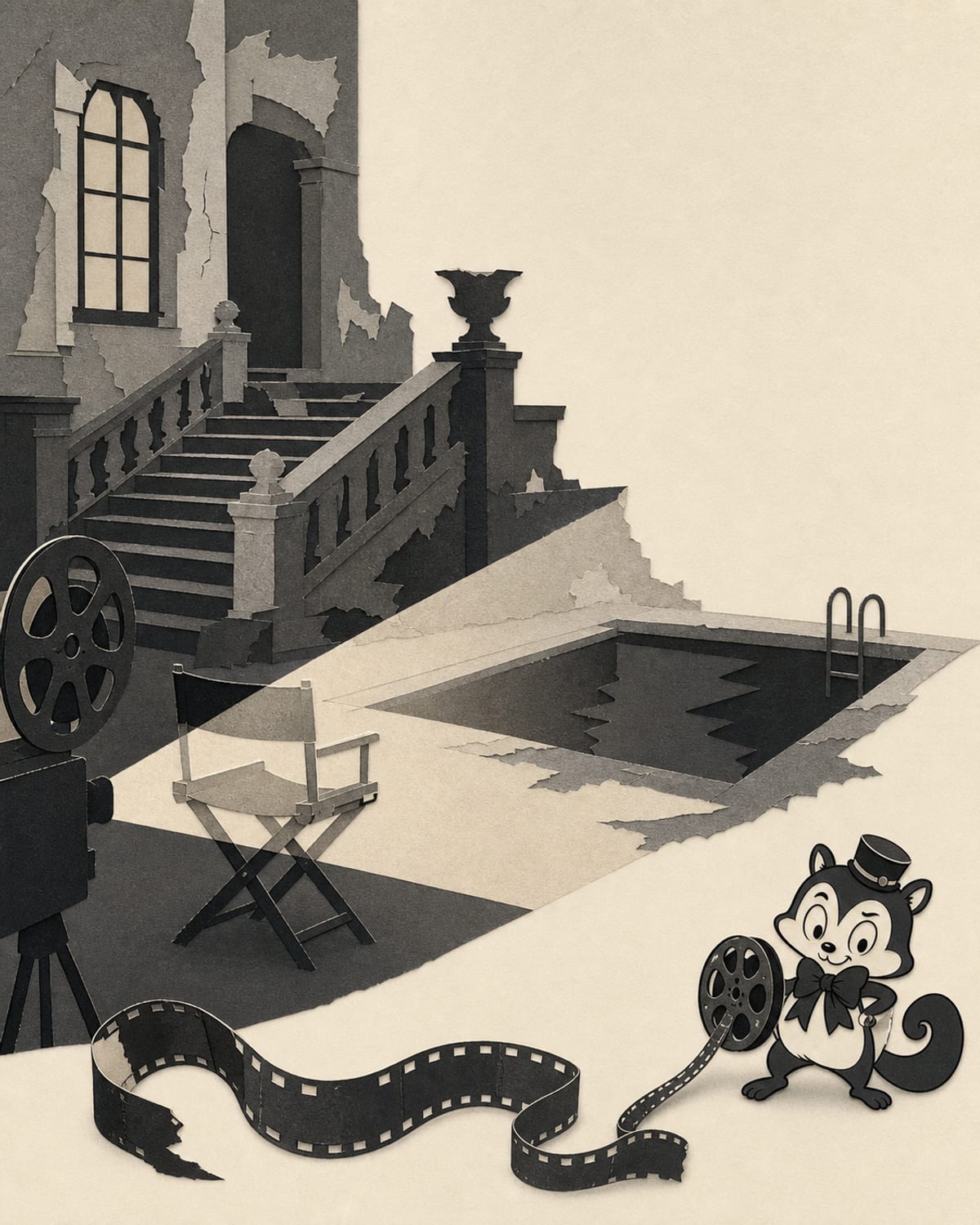
Sunset Blvd. (1950) pairs a struggling screenwriter with a silent-era star living inside the remains of her own legend. Wilder blends noir, melodrama, and acid comedy so completely that glamour and decay appear to occupy the same room.
The film is cruel about an industry that discards people, but its central figures are too lonely to become simple targets. Houses, photographs, a car, a swimming pool, and old performances all carry the story alongside the dialogue. Everyone needs something, and nearly every relationship becomes a transaction.
Watch it first if: you like films about filmmaking, unreliable narration, gothic spaces, or comedy with poison in it.
How to ease in: accept the unusual opening narration as an invitation rather than a puzzle. Pay attention when a cruel joke opens suddenly into sadness; the tonal turn is often where Wilder’s real subject appears.
Save The Apartment for the full mixture
The Apartment (1960) looks at first like an office comedy with a clever premise. C. C. Baxter lends his apartment to executives conducting affairs because he hopes their favour will advance his career. The arrangement becomes harder to treat as harmless when the people using it stop being anonymous.
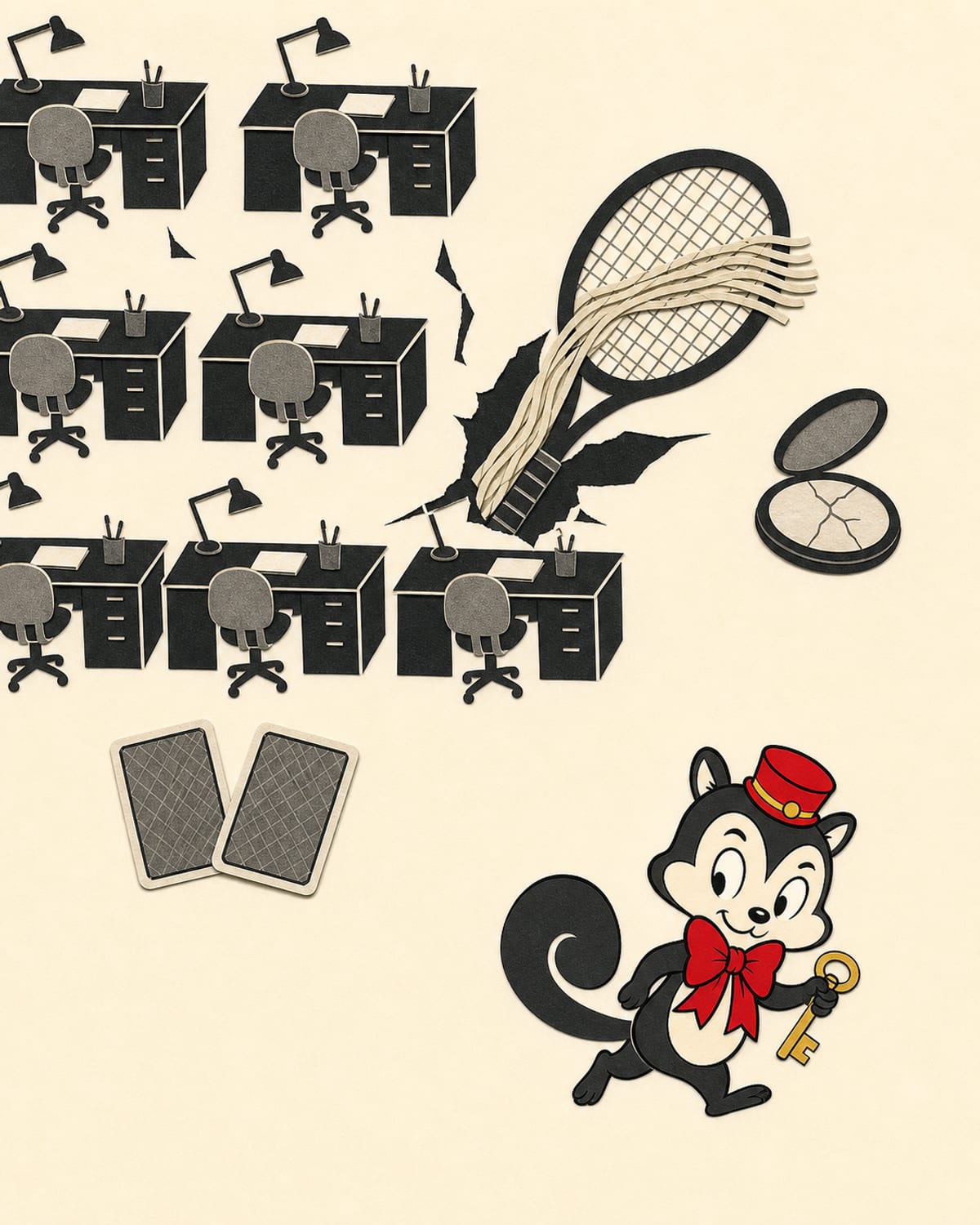
Wilder and I. A. L. Diamond balance quick dialogue with objects that quietly reveal power: office cards, keys, a compact mirror, and private rooms controlled by someone else. The film is romantic, but it earns that romance only after taking workplace exploitation, loneliness, and moral compromise seriously.
Watch it first if: you want something tender without sentimentality, or a romantic comedy willing to sit with real hurt.
How to ease in: the central crisis is serious, not a temporary detour before the jokes resume. Baxter’s growth is measured less by getting what he wants than by refusing the system that has rewarded him.
A four-night route
- Some Like It Hot — begin with speed and pleasure.
- Double Indemnity — watch the same precision become fatal.
- Sunset Blvd. — turn that fatalism toward Hollywood itself.
- The Apartment — finish where comedy and damage share the same room.
If four films feel like a project, do not make it one. Pick the mood you already want tonight. Wilder’s range will reveal itself as soon as the second doorway looks nothing like the first.
Browse Billy Wilder films in the catalogue to keep the films currently covered here together. If Double Indemnity or Sunset Blvd. is your doorway, continue with If you only watch one film noir for a short route across directors.
Continue exploring on Monocurator

Want a recommendation shaped around your evening? Ask Momo what to watch next →