See Films Differently Narrative
Who Gets to Stay Until the End?
Plot armour is the sense that a story needs a character’s body alive. Narrative survival asks a different question: can the film afford to lose their role?
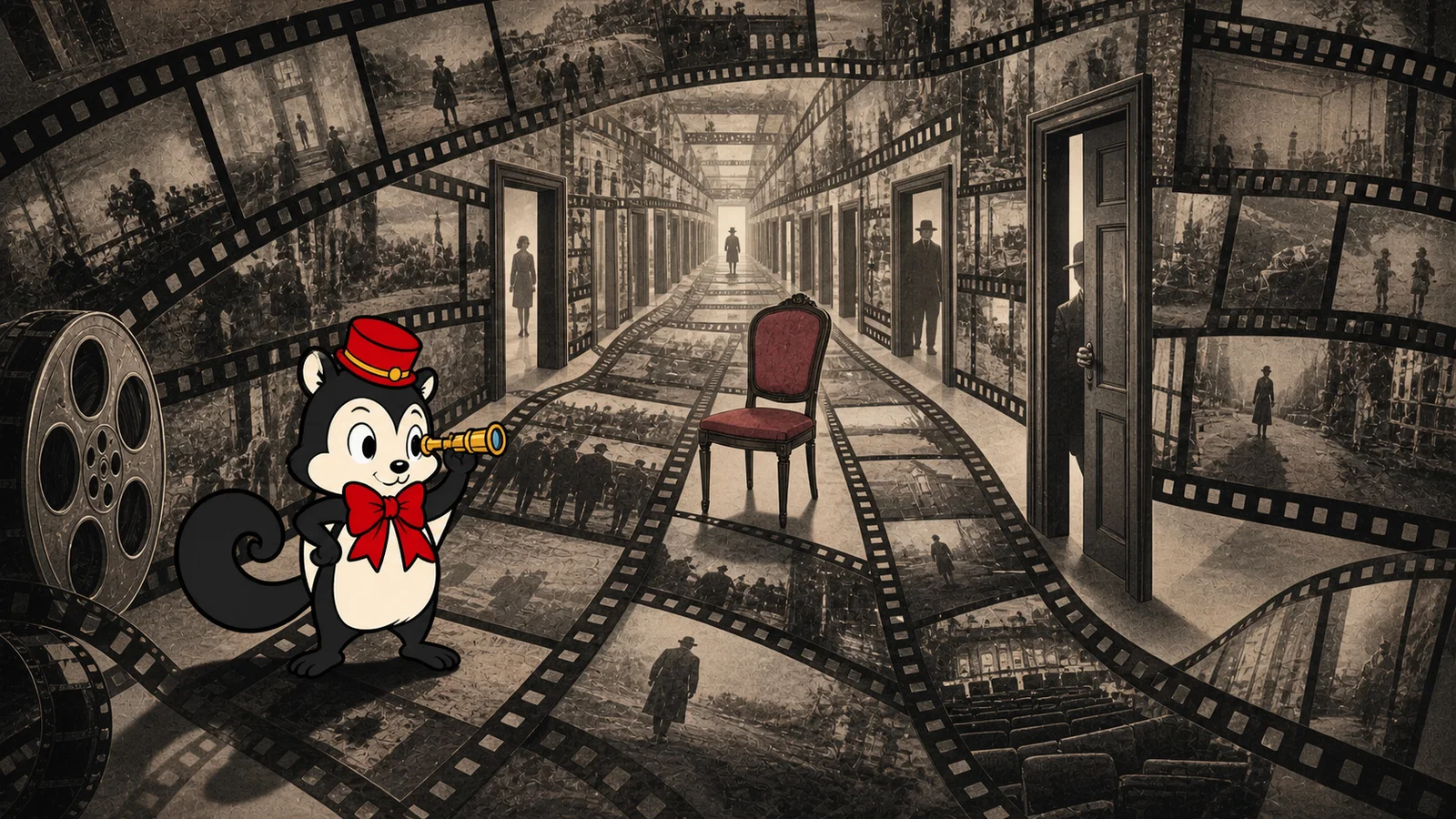
When a character enters danger, we do not ask only whether the body can survive. We ask whether the story can afford to lose it.
Here, plot armour means the apparent protection from physical death that comes from a story still needing a character alive. Narrative survival is broader: it asks whether the story still needs that character as a centre of choices, consequences or attention, even when the body is doomed, absent or dead.
- Plot armour asks: does the story seem to keep this body alive?
- Narrative survival asks: what would the story have to become if this person’s role disappeared?
A character can lose physical survival and retain narrative survival. The two danger maps overlap, but they are not the same.
This is one of cinema’s quiet double visions. We see a person in a room, a car, a hotel or a dark street and respond to the immediate risk. At the same time, we read the architecture around that person. How early did they appear? Whose point of view organises the film? Does the title seem to belong to them? Is there another centre waiting to take over?
The calculation is rarely conscious. It arrives as a feeling: this character is protected; that one has completed a function; this disappearance cannot be final because too much of the film still points towards the missing person. Physical danger and narrative danger overlap, but they are not identical.
Three black-and-white films make that difference unusually visible. Double Indemnity tells us at the beginning that its protagonist is already lost. The Third Man makes a dead man dominate the story so completely that absence starts to look suspicious. Psycho appears to protect its centre, then removes her and teaches the viewer how quickly a film can transfer attention elsewhere.
These examples require plot disclosure. The revelations are not included as trivia about endings; they are the material of the argument. If you want the first-viewing shock intact, watch the films before continuing.
Double Indemnity: An Ending Given in Advance
Billy Wilder opens Double Indemnity (1944) with Walter Neff wounded and alone. He reaches his insurance office at night and records a confession for Barton Keyes. The AFI catalogue identifies the gunshot wound and dictaphone confession in the first movement of its synopsis. [1] Before the plot has properly begun, the film has narrowed Walter’s future to a corridor.
The disclosure does not empty the film of suspense. It changes the question. We are no longer waiting to discover whether Walter’s clever plan will lead to safety. We watch each confident step become part of a route whose endpoint is already present in his voice.
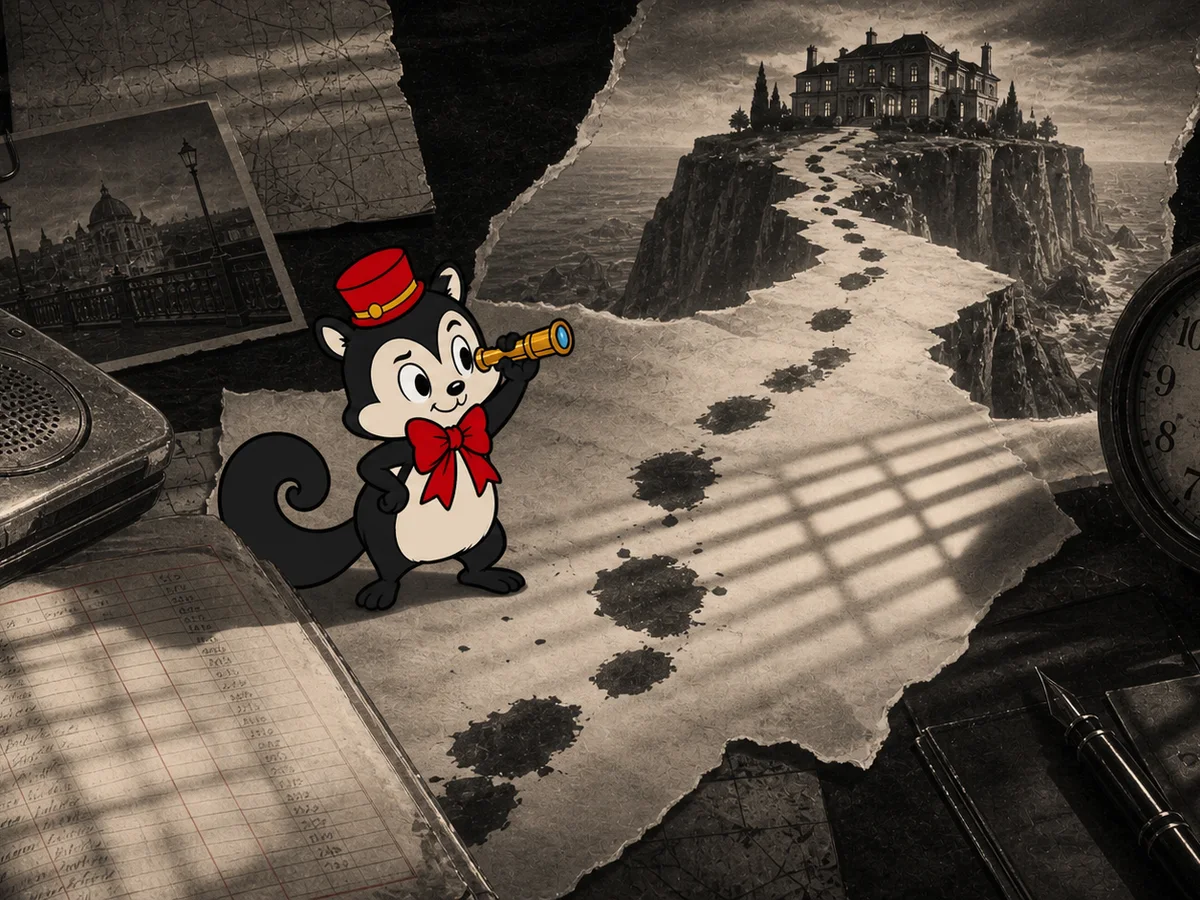
Knowing the ending does not switch attention off. In experiments by Anna-Lisa Cohen and colleagues, a spoiler did not prevent viewers from being captured by a film’s unfolding goals; work on the ‘paradox of suspense’ addresses the related fact that familiar outcomes can remain tense. [2] [3] For the viewer, the practical lesson is simple: once survival is settled, watch what the character still has time to misunderstand.
Walter remains the film’s organising consciousness even when his survival is no longer an open question. What can be lost is not his position in the story but his belief that he controls it. The film turns doom into a method of looking: a gesture towards Phyllis, a calculation in an office, a pause in Keyes’s reasoning all acquire weight because the future has leaked backwards.
Sunset Blvd. goes further by allowing a dead man to narrate. Both films show that a character can remain structurally alive after the outcome has been settled. Survival is one source of narrative importance, not its definition.
The Third Man: When Absence Becomes Too Important
Carol Reed’s The Third Man (1949) begins from a different certainty. Holly Martins arrives in Vienna to meet Harry Lime and is told that his friend is dead. The BFI summarises the premise plainly, then notes the imbalance that makes the film extraordinary: Orson Welles does not appear for more than an hour and has barely fifteen minutes of screen time, yet Harry’s spirit dominates the action. [4]
That dominance trains suspicion. A truly departed minor character can become background information. Harry does the opposite. People contradict one another about his death. Anna continues to live inside her attachment to him. The authorities define him through a criminal investigation. Holly keeps revising the friend he thought he knew. Every scene adds narrative mass to an empty space.
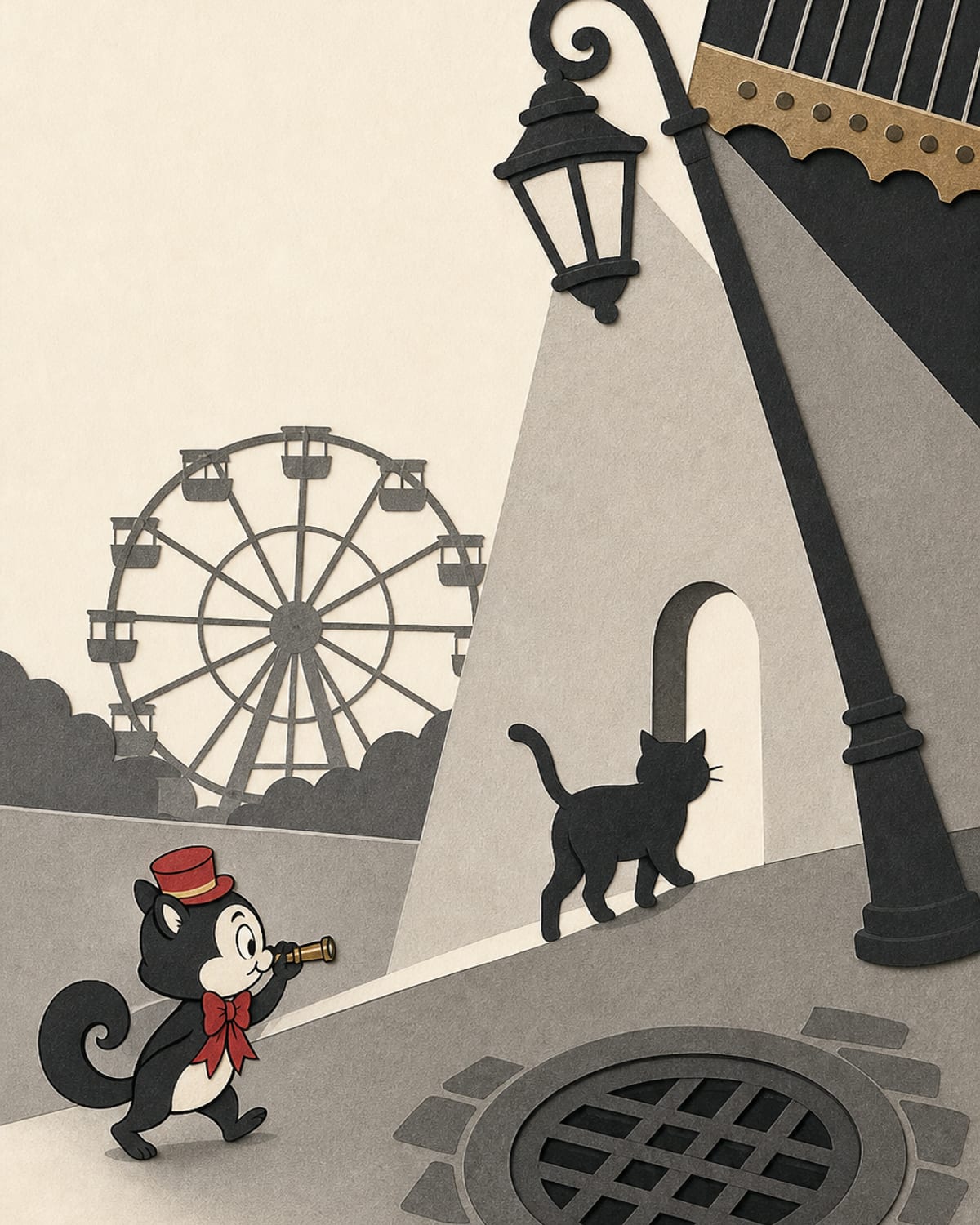
By the time a cat settles at the feet of a man hidden in a doorway, Harry’s return feels both surprising and prepared. His face becomes visible because a window lights briefly above the street. The entrance works through star presence, framing and delay, but its deeper mechanism is structural: the film has refused to let the absent man leave.
This is a second way spectators forecast survival. We notice unfinished relations. A person may be declared dead while the story behaves as though it still needs an answer from them. Conversely, a living character may begin to feel narratively finished once the central conflict no longer requires their choices.
This is less a set of ‘death flags’ than attention to obligation. Harry must return because Holly’s idea of friendship, Anna’s loyalty and Vienna’s moral order have all been built around a man the audience has not yet met.
Psycho: The Story Loses Its Centre
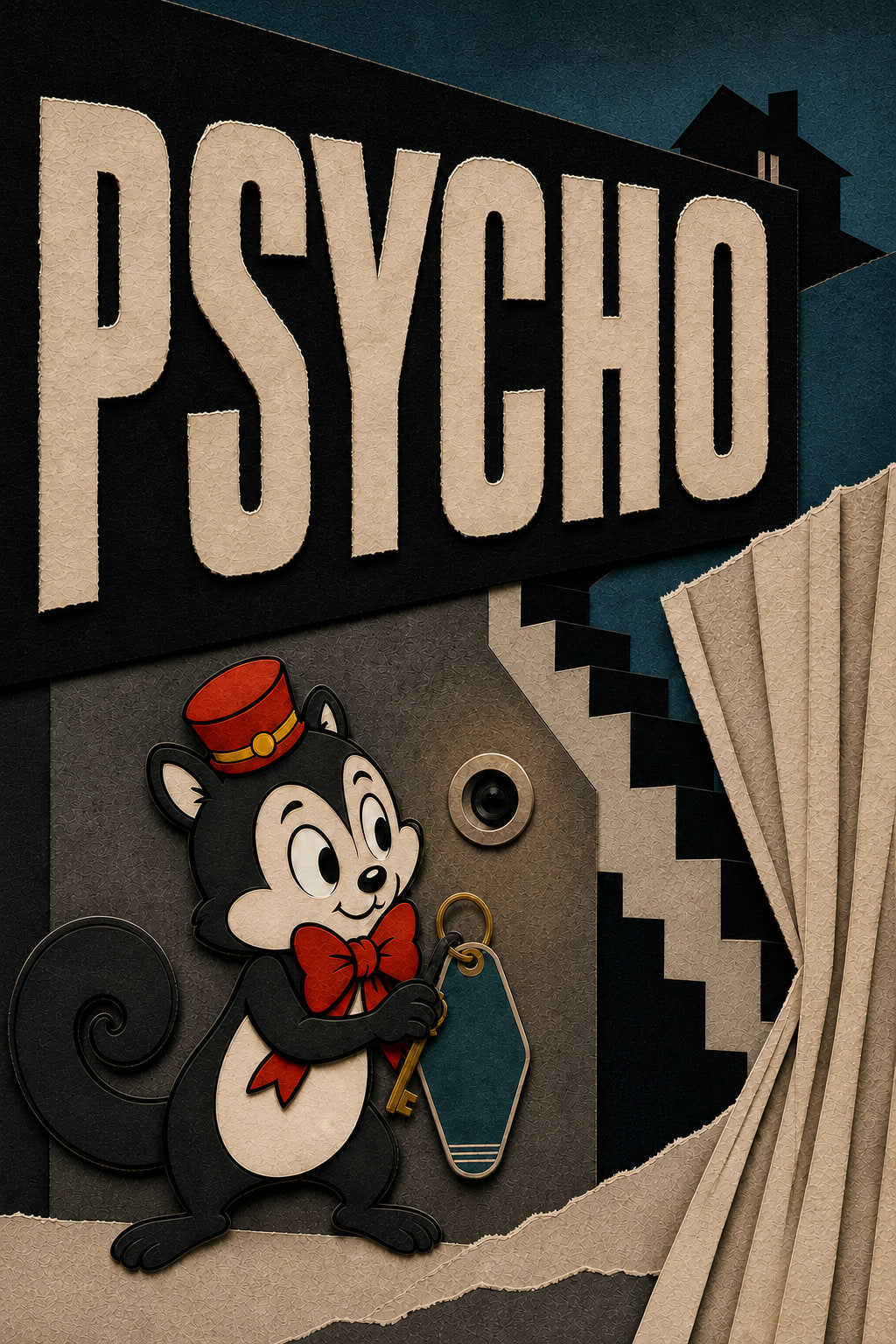
Alfred Hitchcock’s Psycho (1960) attacks the strongest form of perceived protection: point of view. The first part belongs to Marion Crane. The camera follows her private decision, her flight, her nervous encounters and her calculations. Janet Leigh’s star presence reinforces the assumption that this is the person whose problem the film will carry to its end.
Then Marion is killed at the Bates Motel. The Library of Congress essay notes how carefully the original release protected the film’s surprises and how decisively Marion’s story gives way to Norman Bates’s tragedy. [5] The shock comes from the film discarding the consciousness through which we learned how to watch it.
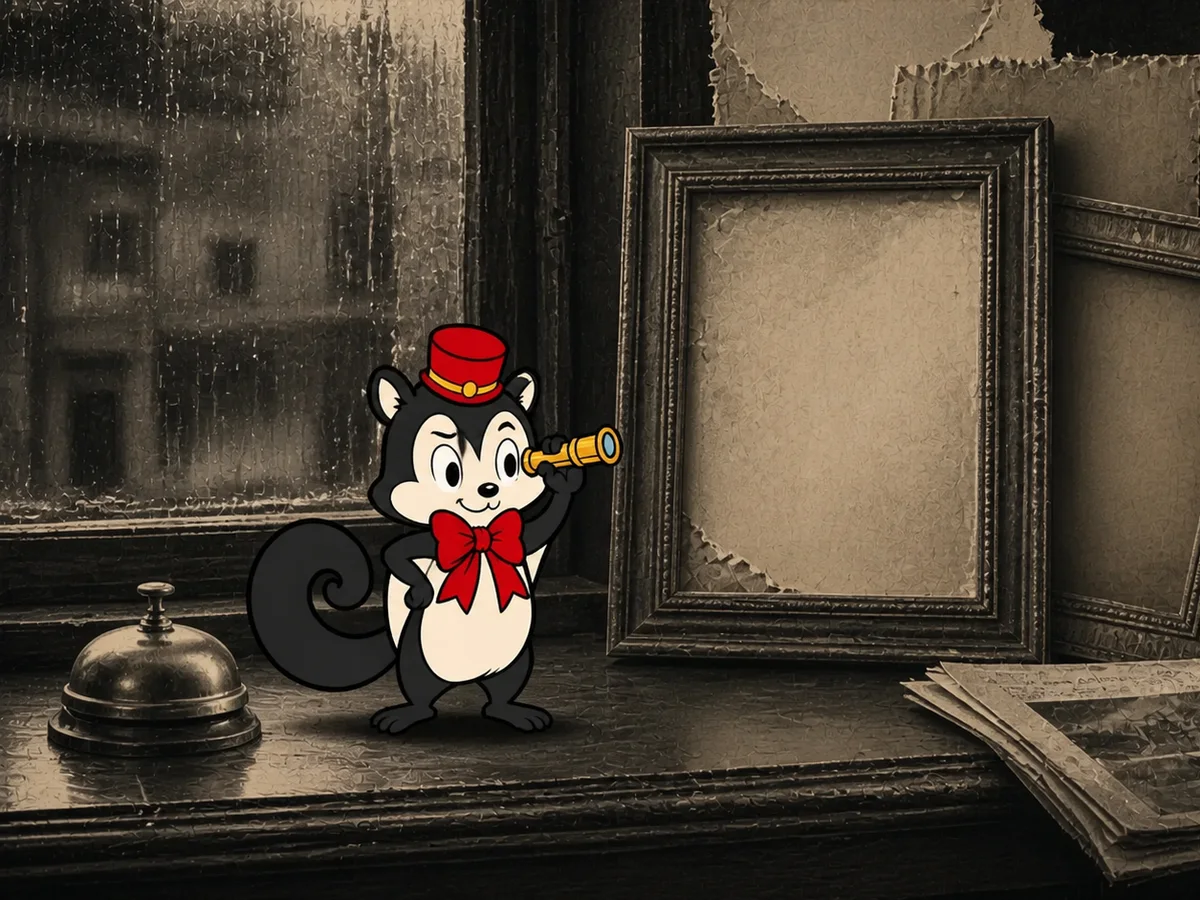
What follows matters almost as much as the murder. The film builds a new centre while money, a car, a newspaper, a missing person and the motel keep the old one active. Concern passes from Marion’s future to her traces and then towards Norman. Narrative succession feels briefly like bereavement.
‘Who will die?’ is therefore too narrow. A film can remove a character while preserving their consequences, or keep a body alive after its role has emptied.
Hitchcock’s gamble works because viewers are already skilled at recognising a protagonist’s apparent protections. The shower scene does not simply violate an unwritten rule. It makes us aware that we had been relying on one.
How to Watch for Narrative Survival
On a first viewing, try following two danger maps at once.
The first belongs to the world of the film. Who has a weapon, an injury, an enemy, a reason to run? What practical routes of escape remain? The second belongs to the storytelling. Whose choices still generate consequences? Which relationships remain unresolved? If this person disappeared now, what question would the film lose—and does another character already stand ready to inherit it?
The maps often disagree. Walter Neff is physically doomed but narratively secure as the voice of the confession. Harry Lime is physically absent and officially dead but becomes more central with every minute he is withheld. Marion Crane appears both physically resourceful and narratively protected until Psycho removes her from both maps at once.
Watching this way can intensify sympathy because it reveals how storytelling distributes time. A close-up is a promise to attend. A return settles an obligation the film has kept alive. A death can hurt before it happens because we sense the work deciding whether it is prepared to continue without that person.
Try one question: What would this story have to become if they were gone? The answer tells us who appears alive inside the plot—and which lives the film believes it can afford to lose.
References
- ‘Double Indemnity’, AFI Catalog of Feature Films (accessed 16 August 2026).
- Anna-Lisa Cohen, Chaim Goldberg, Jonathan Mintz and Elliot Shavalian, ‘Spoiler Alert: How Narrative Film Captures Attention’, Applied Cognitive Psychology, 37.3 (2023), 612–23.
- Robert Geal, ‘Anomalous Foreknowledge and Cognitive Impenetrability in Gnomeo & Juliet’, Adaptation, 11.2 (2018), 111–21.
- ‘The Third Man (1949)’, British Film Institute film record and programme note (accessed 16 August 2026).
- Charles Taylor, ‘Psycho’, National Film Registry essay, Library of Congress; first published in The A List (2002).
On screen
Films discussed
- Double Indemnity (1944) · Billy Wilder
- The Third Man (1949) · Carol Reed
- Psycho (1960) · Alfred Hitchcock
Continue exploring on Monocurator
Want a recommendation shaped around your evening? Ask Momo what to watch next →