页面操作控件已翻译。片名保留片目原有写法。编辑撰写的正文和资料来源说明仍为英语。

← 返回电影列表

Satirical drama

A Face in the Crowd

片长
尚未确定

A charismatic drifter discovered on local radio learns how quickly intimacy can be manufactured for a mass audience.

搜索影片发行版本 ↓ 观影之前 ↓

在Amazon.com搜索 · 付费推广链接。购买前请核对版本和地区。

语言
English
TenseFunnyBleak 非常适合入门 · 容易入门 Satirical drama
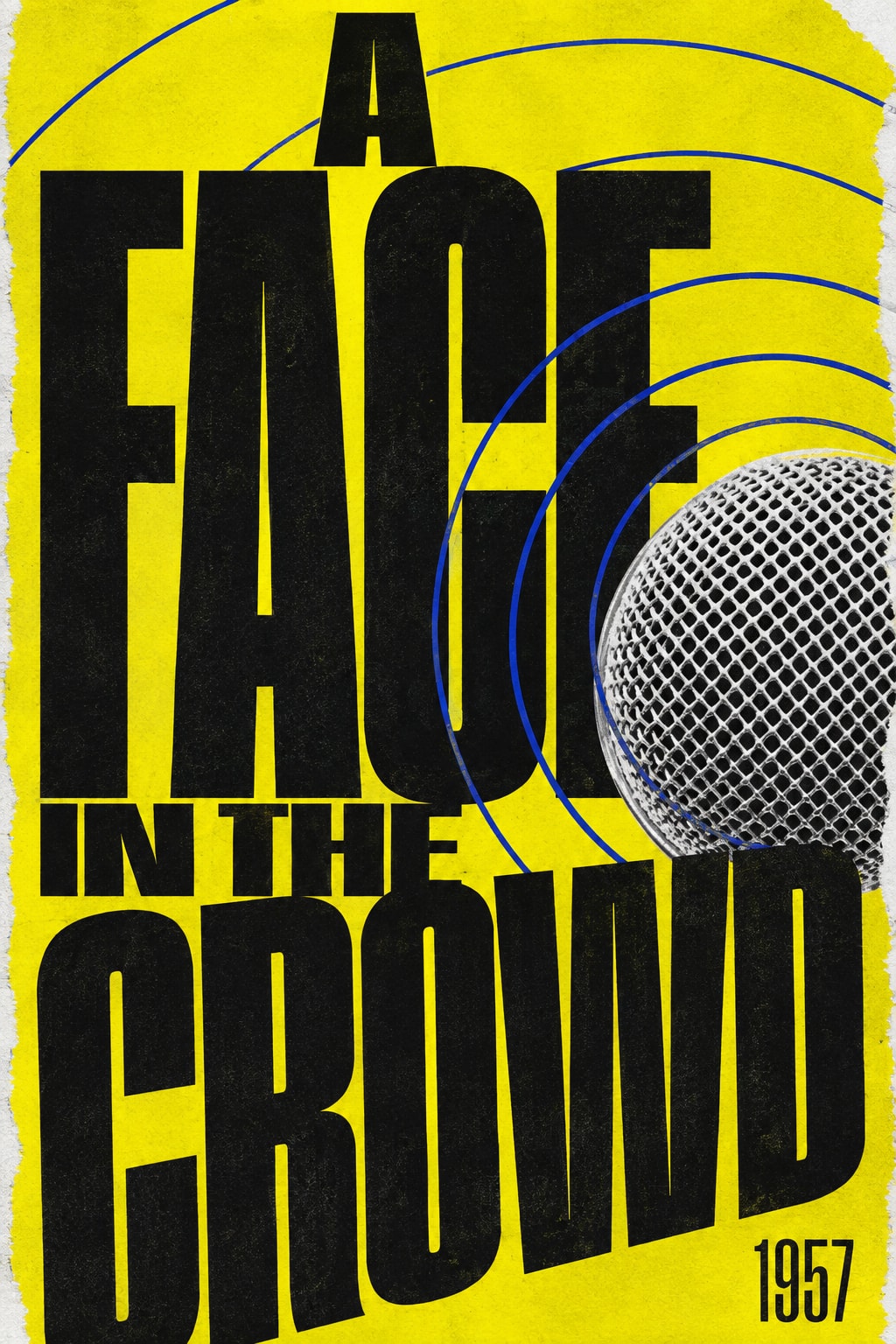
A FACE IN THE CROWD in oversized black lettering on citron-yellow paper, with a silver microphone grille and cobalt broadcast arcs. 1957.

Image: Monocurator · source · Original Monocurator artwork

Who is Lonesome Rhodes?

Larry “Lonesome” Rhodes, played by Andy Griffith, is the entertainer at the centre of A Face in the Crowd. Marcia Jeffries discovers him while recording a radio programme in an Arkansas jail. His appeal carries him from local broadcasting into television, advertising and political influence. Criterion’s film guide introduces that rise through Marcia’s part in creating his public identity.

Marcia Jeffries Patricia Neal
The radio producer who discovers Rhodes and helps shape his career.
Joey de Palma Anthony Franciosa
The agent who turns Rhodes’s popularity into business opportunities.
Mel Miller Walter Matthau
The television writer whose growing scepticism gives Marcia another view of Rhodes.

Was Lonesome Rhodes a real person?

Rhodes is a fictional character drawn from Budd Schulberg’s short story. Kazan and Schulberg also researched advertising agencies and television stations. AFI’s production history records real influences on the character, including broadcaster Arthur Godfrey. The film builds its own story from that world of entertainers, sponsors and political ambition.

Why does the microphone change the ending? Ending spoilers

Marcia turns on Rhodes’s microphone while he believes the broadcast is over. Viewers hear him sneer at the audience he normally flatters. Sponsors withdraw and his planned party empties out. Later, the sound of recorded applause accompanies him in his penthouse. AFI’s synopsis follows this reversal from the studio to the deserted celebration.

The microphone exposes the gap between his public affection and private contempt. The applause carries that idea further: he can still command the sound of admiration after losing the people who supplied it. Yet Mel predicts that Rhodes may eventually return to television. April Wolfe’s Criterion essay draws attention to that uncomfortable prospect. Exposure has broken this performance’s hold; the appetite for a persuasive new performance remains.

你将看到什么

Andy Griffith’s performance makes charm, resentment, and appetite operate at the same temperature. Kazan and Budd Schulberg trace how media access turns a supposedly authentic voice into commercial and political power.

如何轻松入门

Watch the audience grow around Lonesome Rhodes. Each new microphone changes not only his reach but the kind of person everyone around him must become.

观影提醒

简要提示,并非详尽清单 Includes emotional abuse, sexual exploitation, racism, political manipulation, alcohol misuse, and public humiliation.
Momo's Note 可能含剧透 Momo是谁? → (以英语打开)
展开笔记 ↓ 收起笔记 ↑

I am frightened less by the public mistaking performance for sincerity than by the professionals who recognise the performance and decide its usefulness matters more.

— Momo

Momo thinking about this film

演职员与版本

影片信息的资料来源

接下来去哪看

下一部想看更温和、更短,或更奇特的电影? 问问Momo,有没有类似的电影 → (以英语打开)
Momo正在值班。 前往Momo Cinema → (以英语打开)

继续浏览片目 →