See Films Differently Film analysis
Juror 3 Is Trying the Wrong Son
Juror 3 says his son hit him in the face and that they have not seen each other for two years. See why that history drives his final vote.
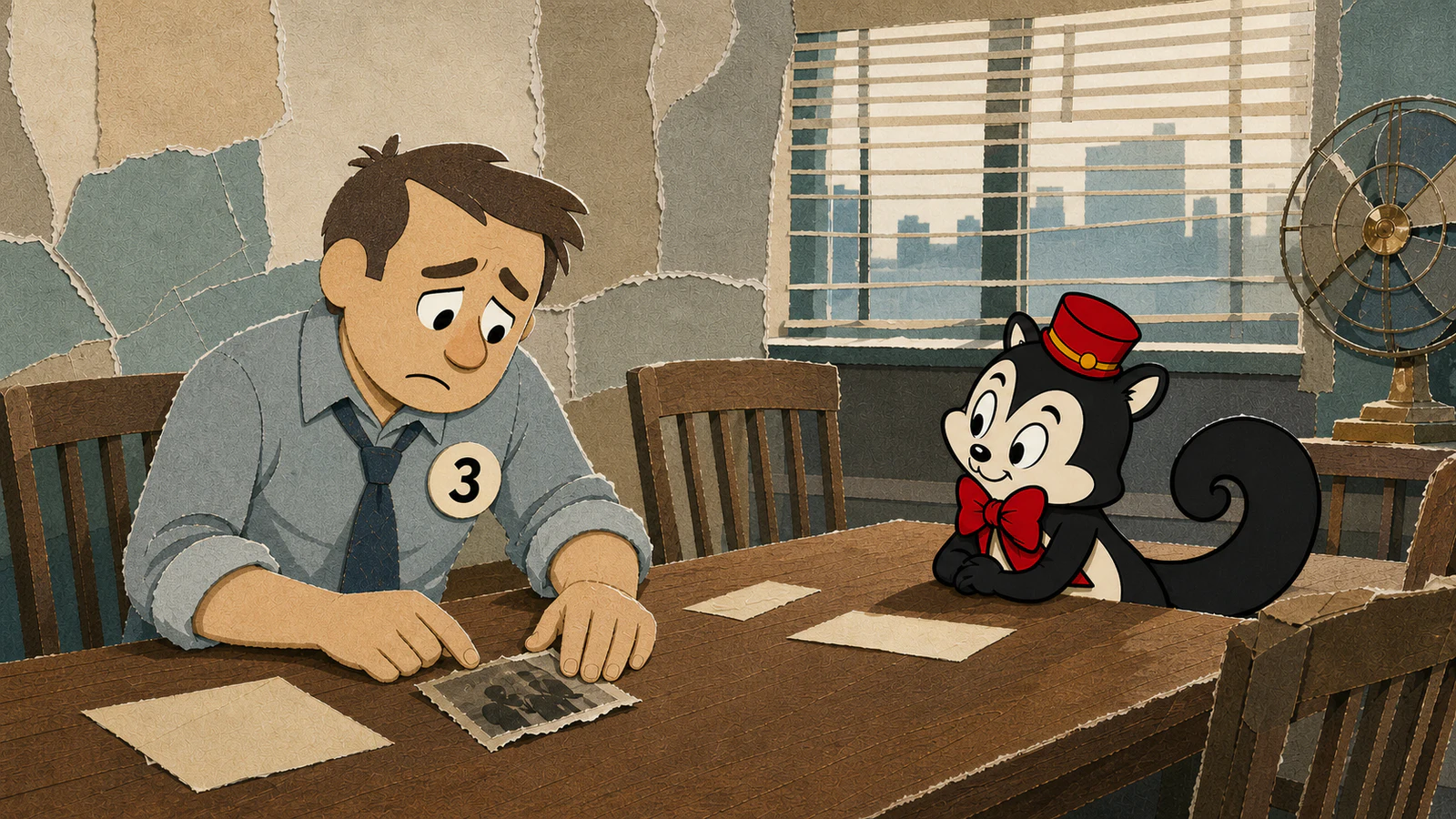
Spoiler note: This article discusses the final vote and Juror 3’s last scene.
What happened to Juror 3’s son? Juror 3 says that after years of trying to make the boy “tough”, his teenage son hit him during a fight. They have not seen each other for two years.
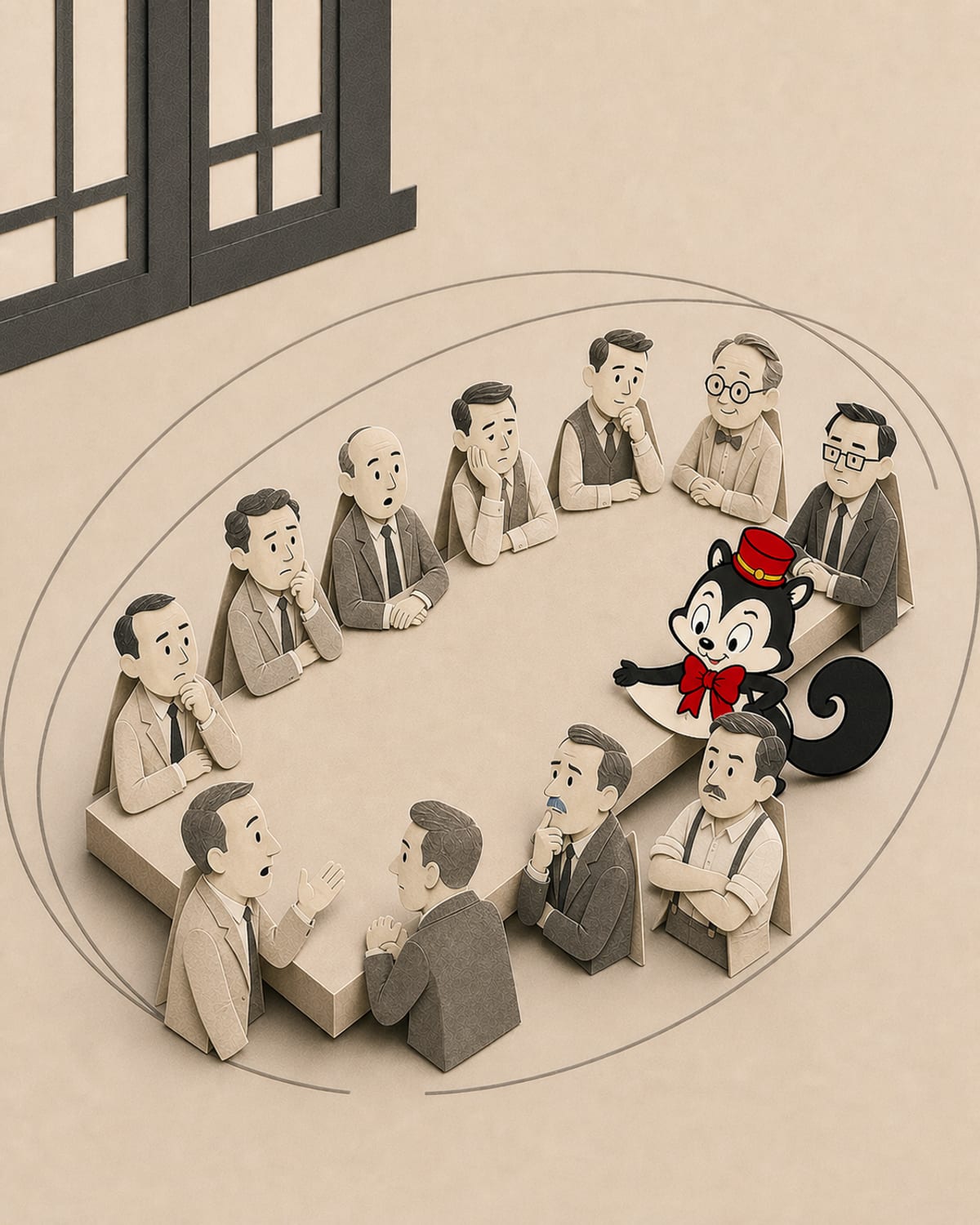
12 Angry Men can feel like a very simple film: twelve men enter a hot room, argue about a murder case, and gradually change their votes.
One man makes the ending more interesting than that summary suggests.
Juror 3, played by Lee J. Cobb, appears to be the defendant’s fiercest judge. But by the end, it is clear that he has brought another case into the room. He is also judging his own absent son.
My reading is simple: Juror 3 needs the defendant to be guilty because a guilty verdict would help him win an old argument with the son who left him.
The boy on trial and Juror 3’s son are not the same person. Juror 3 treats them as though they are. That is why evidence alone cannot satisfy him.
There Are Two Trials in the Room
The official trial concerns a teenage boy accused of killing his father. The jurors must decide whether the prosecution has left them with any reasonable doubt.
Juror 3 has a second question in mind:
What kind of son turns against his father?
He tells the other men that he was strict with his own son and tried to make him strong. Their relationship ended in violence, and he has not seen the young man for years.
That story should have nothing to do with the defendant. Instead, it becomes the lens through which Juror 3 sees him. A troubled boy is no longer one person with one set of circumstances. He becomes proof that sons are ungrateful, dangerous and in need of force.
This gives Juror 3 something emotionally useful. If the defendant is simply a bad son, then perhaps his own son was bad too. Perhaps the father did nothing wrong. Perhaps harshness was necessary.
A guilty verdict would punish the defendant. It would also protect Juror 3’s version of himself.
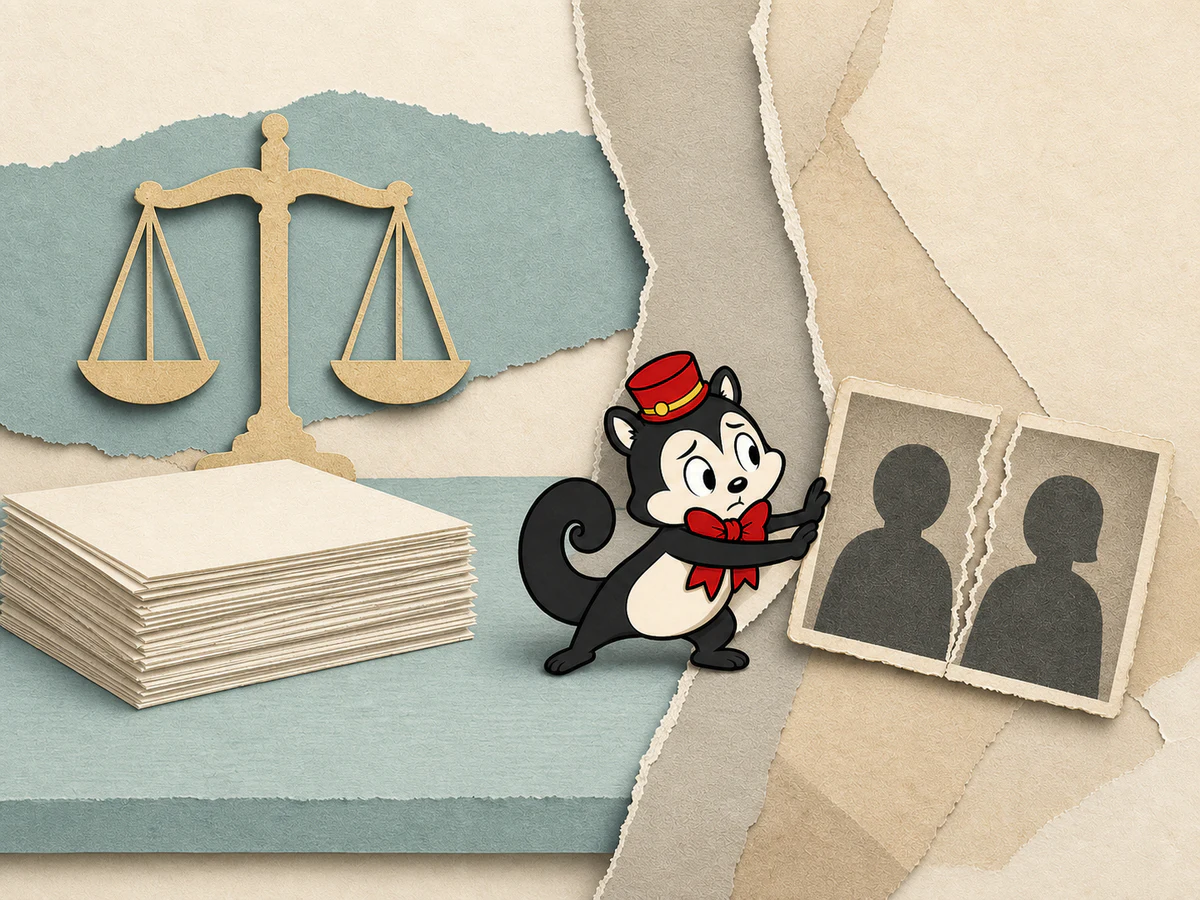
Why He Cannot Stop Arguing
Most of the jurors begin with a position and then respond, however reluctantly, when parts of the case become less certain.
Juror 3 behaves differently. Each new doubt seems to make him more furious.
That reaction makes sense if he is defending more than a verdict. When another juror questions the case, Juror 3 hears something larger: perhaps a father can be mistaken; perhaps authority can become cruelty; perhaps a son’s resistance is not proof that the son is rotten.
Those possibilities threaten the story he has been telling himself about his family.
So the argument cannot end when one piece of evidence weakens. It moves to the next detail, and then the next. He is not calmly adding up facts. He is looking for a fact strong enough to hold his private story together.
This is also why calling him merely “angry” is not quite enough. His anger is doing a job. It keeps regret away.
The Photograph Is His Hidden Evidence
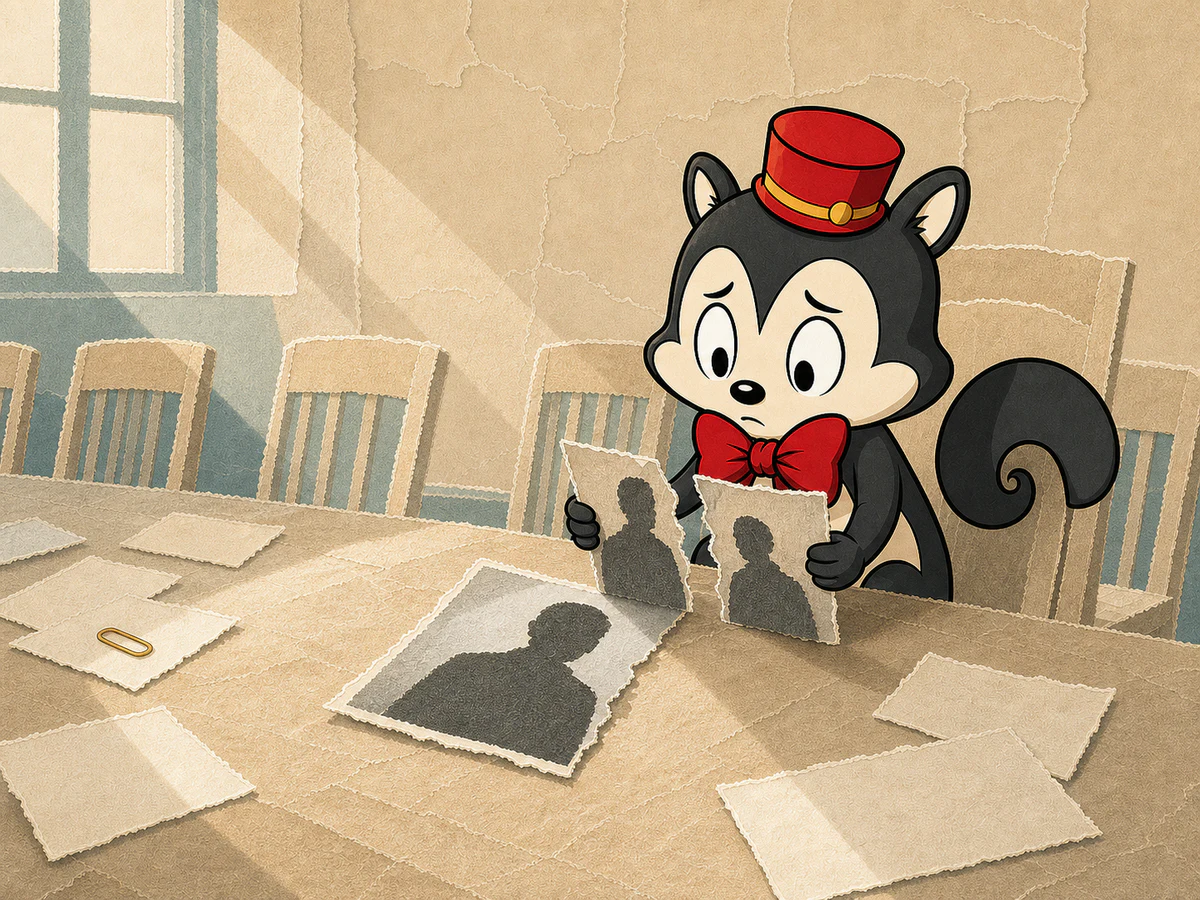
Near the end, Juror 3 is left almost alone. He takes out a photograph of himself with his son.
The photograph has no legal value. It tells the jury nothing about the murder. Yet emotionally it is the most important object he carries.
For the entire discussion, he has spoken as though his experience with one young man gives him special knowledge of another. The photograph reveals the source of that certainty. It is his hidden evidence: not evidence about the defendant, but evidence from a completely different case.
When the photograph is torn, the film does not suddenly prove that Juror 3 is a good man. It shows that the two trials can no longer remain confused.
He can keep condemning the defendant, but doing so will not bring his son back. It will not prove that he was right. It will only place a stranger’s life inside a family quarrel that the stranger never joined.
His final “not guilty” is therefore more than a change of opinion. It is the moment he stops using the defendant as a substitute for his son.
Juror 8 Does Not Defeat Him
It is tempting to treat the film as a contest between Juror 8, the calm reasonable man, and Juror 3, the angry unreasonable man.
That is too neat.
Juror 8 can expose uncertainty in the case. He cannot settle Juror 3’s relationship with his son. No perfect speech can do that for him.
The decisive moment arrives only when Juror 3 sees what he has carried into the room. His defeat is private. The other men do not cheer. They do not tell him that he has become wise. He breaks down, changes his vote, and the meeting ends.
This keeps the ending from becoming a simple victory for logic. Facts matter enormously, but people do not meet facts as empty containers. They bring pride, fear, class prejudice, impatience and old wounds with them.
The danger is not only that someone may ignore evidence. It is that they may use the evidence to finish a different argument.
For a separate way to think about the jury’s evidence, our plain-English guide to likelihood uses 12 Angry Men to show how the same observations can be weighed under competing explanations.
A Simple Way to Watch Juror 3
If the film’s long discussion begins to feel repetitive, follow one question:
At this moment, is Juror 3 talking about the defendant—or about his own son?
Sometimes the answer is obviously the defendant. At other moments, the distance between the two boys almost disappears.
That question turns Juror 3 from an obstacle the other jurors must overcome into the centre of a second story. The murder case is decided in the jury room. The family case cannot be.
Perhaps that is why the photograph matters so much. It is the one piece of evidence that belongs to the trial Juror 3 has really been conducting—and the one piece he finally has to let go.
References
The account of the film’s production and credits follows the AFI Catalog and Criterion Collection. The interpretation of Juror 3, his son and the photograph is Monocurator’s reading of the film.
- American Film Institute, ‘12 Angry Men’, AFI Catalog of Feature Films (accessed 23 August 2026).
- Criterion Collection, ‘12 Angry Men’ (accessed 23 August 2026).
- Thane Rosenbaum, ‘12 Angry Men: Lumet’s Faces’, Criterion Current, 22 November 2011.
On screen
Films discussed
- 12 Angry Men (1957) · Sidney Lumet
Continue exploring on Monocurator
Want a recommendation shaped around your evening? Ask Momo what to watch next →