A visual field guide · 12 terms
Film terms,
illustrated.
A tilted room. A face that comes into focus. Words that interrupt the picture. Start with what you noticed, then compare the terms.
Each comparison isolates a small difference. Follow the reading links for film examples, history and sources.
The picture gives way to words
Where do the words appear?
- Intertitle
- A text card inserted between film images. It can give someone a line, move the story forward or let a sentence linger.
- Subtitle
- Text displayed over the picture, usually to present dialogue. You read it while the action remains visible.
An intertitle takes its own turn on screen. A subtitle shares that time with the image. The difference changes the rhythm of reading and watching.
Intertitles, subtitles and three film examples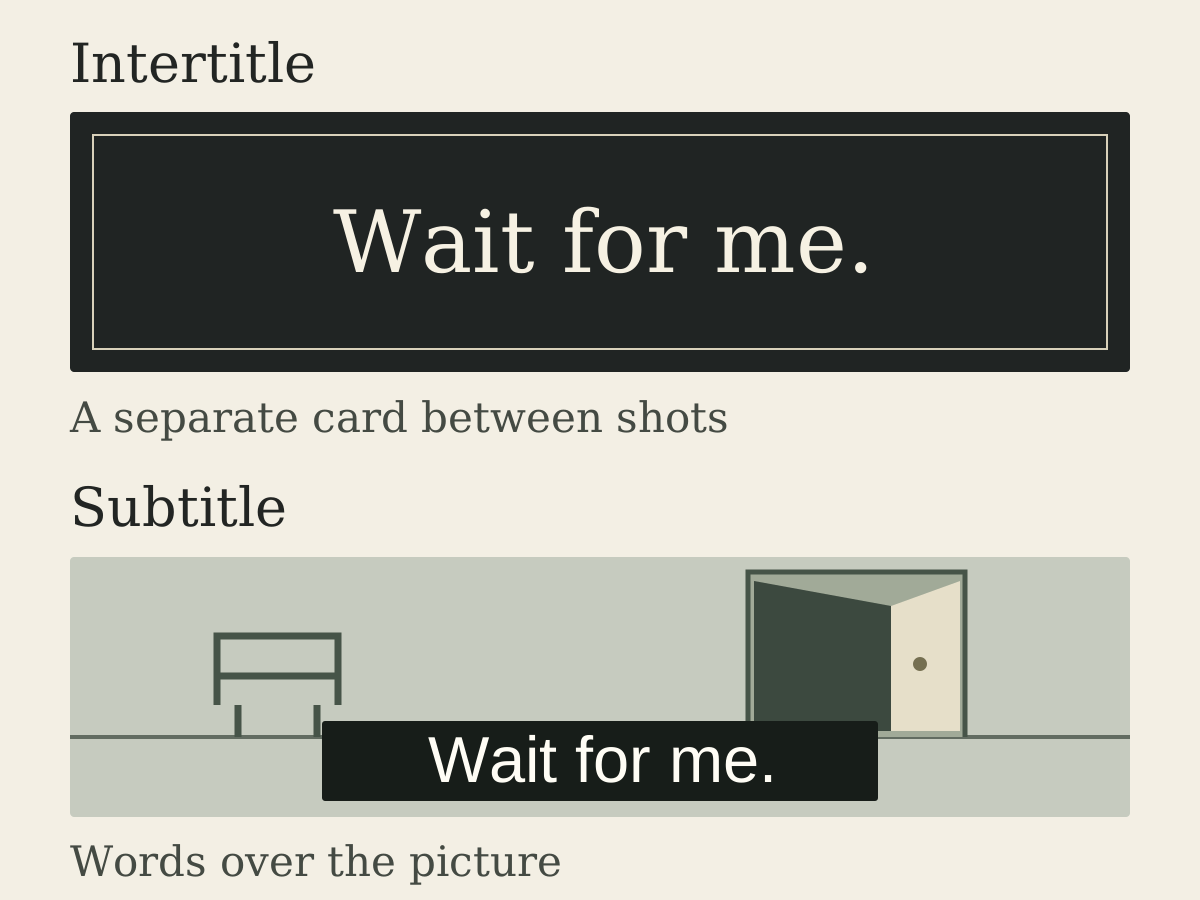
Your eye moves between near and far
What stays sharp—and what changes?
- Deep focus
- Foreground, middle ground and background appear sharp together. Several things at different distances can hold your attention in the same shot.
- Shallow focus
- Only a narrow range of distances appears sharp. A face may be clear while the room behind it softens.
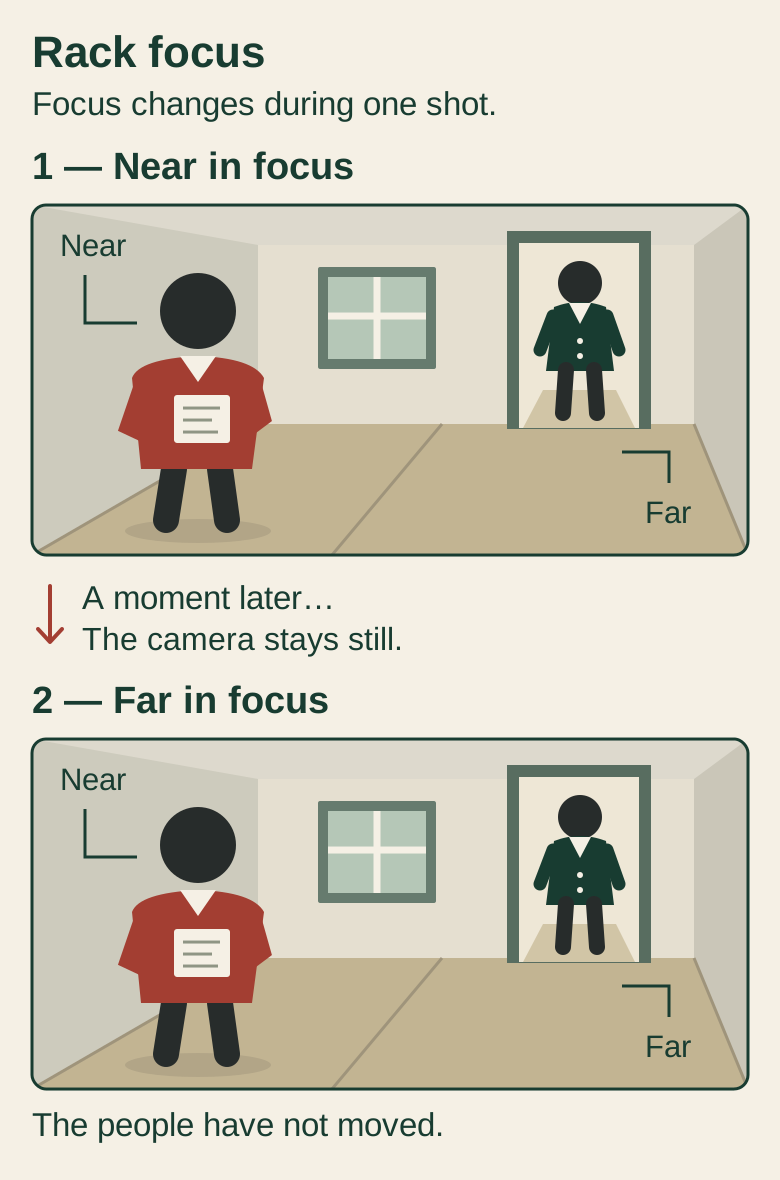
- Rack focus
- Focus shifts during a shot, bringing a different distance into sharpness. Attention can pass from one person or object to another.
Placing people far apart creates depth in the scene. Keeping both sharp is a focus choice. A rack focus changes which distance is sharp as the shot continues.
See how Citizen Kane uses deep focus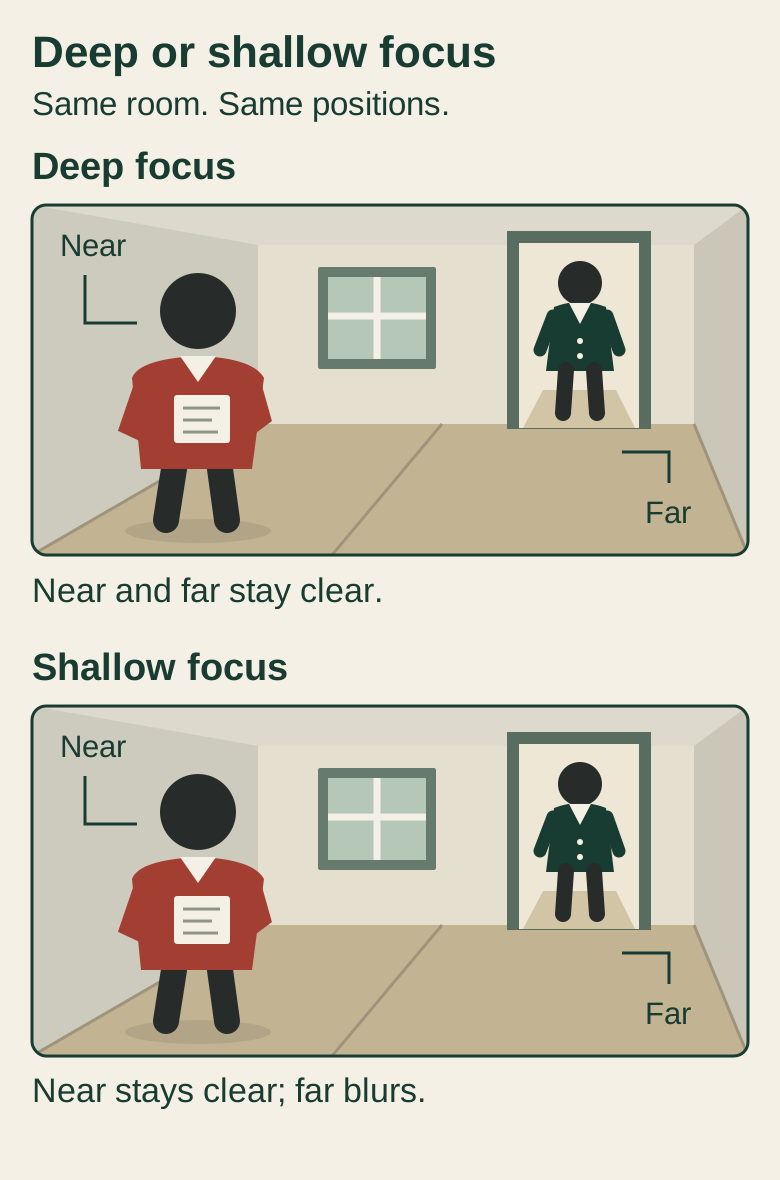
The room seems to lean sideways
Has the camera rolled?
- Dutch angle
- A shot made with the camera rolled sideways, so the scene’s upright lines or horizon appear slanted within the frame. Also called canted framing.
A pan turns the camera left or right; a tilt points it up or down. A Dutch angle changes its sideways orientation. A diagonal staircase alone does not make the shot canted.
Dutch angles in The Third Man and Batman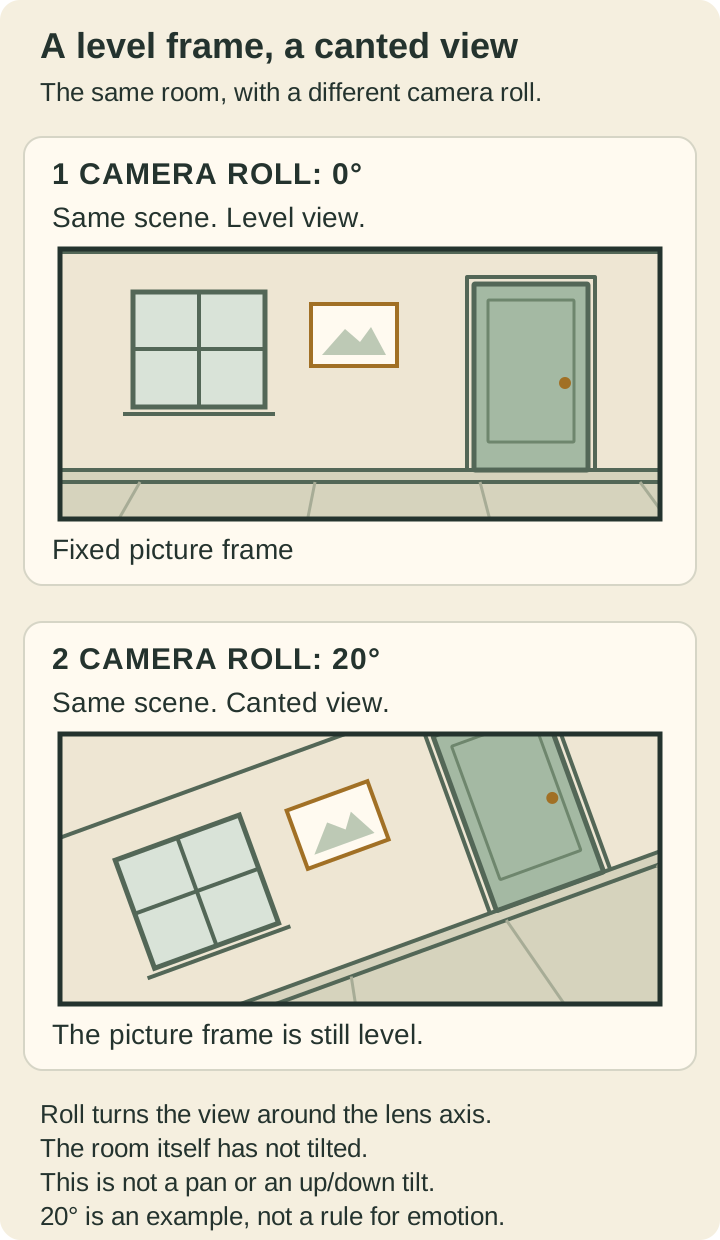
There are black bars beside the film
How wide is the picture for its height?
- Aspect ratio
- The relationship between an image’s width and height. A 4:3 image is four units wide for every three units high; 1.37:1 is slightly wider.
The film’s shape and your television’s shape can differ. Bars let the complete picture fit. Filling the screen instead may crop the image or stretch it.
Aspect ratios, black bars and the crop-or-stretch problem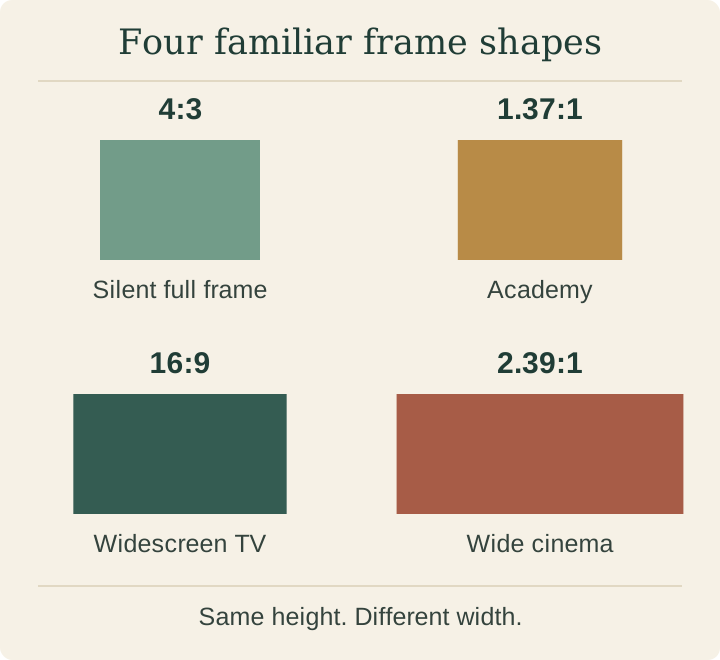
The scene seems to go on without a cut
One recording, or several joined together?
- Long take
- A sustained shot recorded without stopping the camera. It may travel through several rooms or stay with someone sitting still.
A long shot describes how much of a subject and its surroundings we see. A long take concerns duration. Hidden cuts can also join separate takes into an image that looks continuous.
Birdman, Rope and the art of a seemingly unbroken shot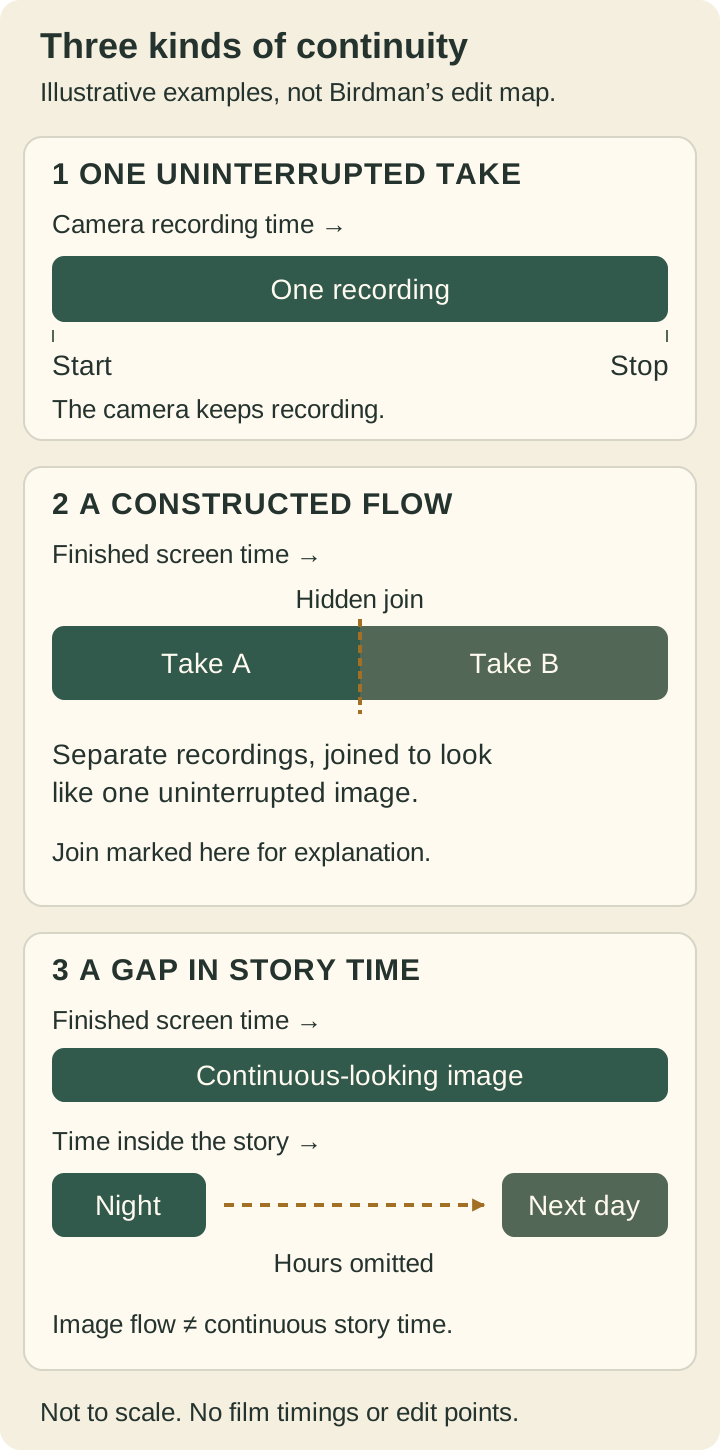
An early film has sound—but is it talking?
Do the characters have recorded voices?
- Talkie
- A film with recorded speech synchronised to the picture. The name comes from “talking picture” and is closely associated with the transition to sound.
A recorded musical score does not by itself make a film a talkie. Don Juan has music and effects; The Jazz Singer adds spoken passages; Lights of New York carries dialogue through its dramatic scenes.
How movies started talking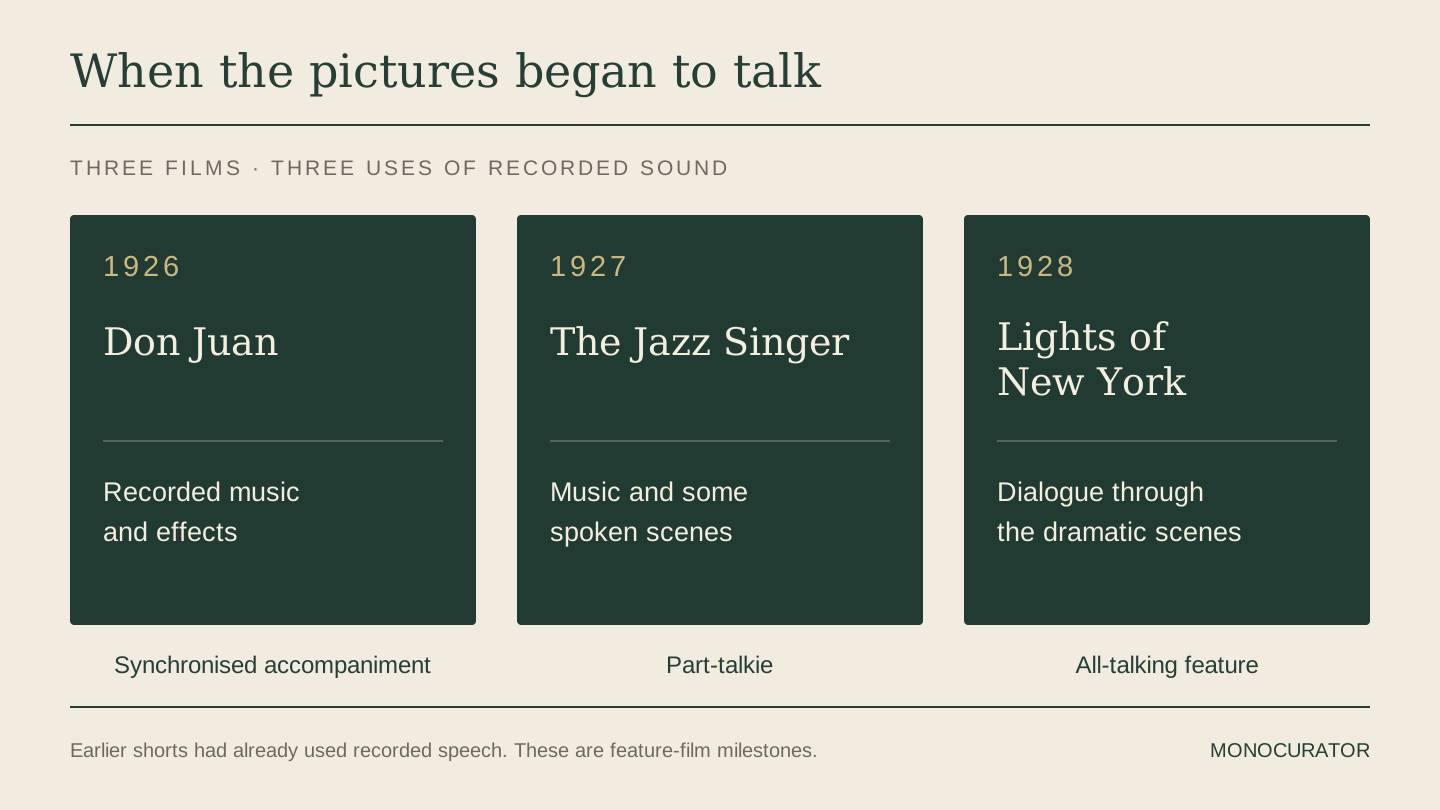
People hurry through an old film
How quickly are the images passing?
- Frame rate
- The number of film images recorded or presented each second, usually written as fps. Recording and presentation can use different rates.
If 18 original frames represent one second of action, showing those same frames at 24 per second takes only three-quarters of a second. Choosing an appropriate speed for a silent film depends on that film and its surviving evidence.
Try the frame-rate comparison and see why silent speeds varyA silent film turns amber or blue
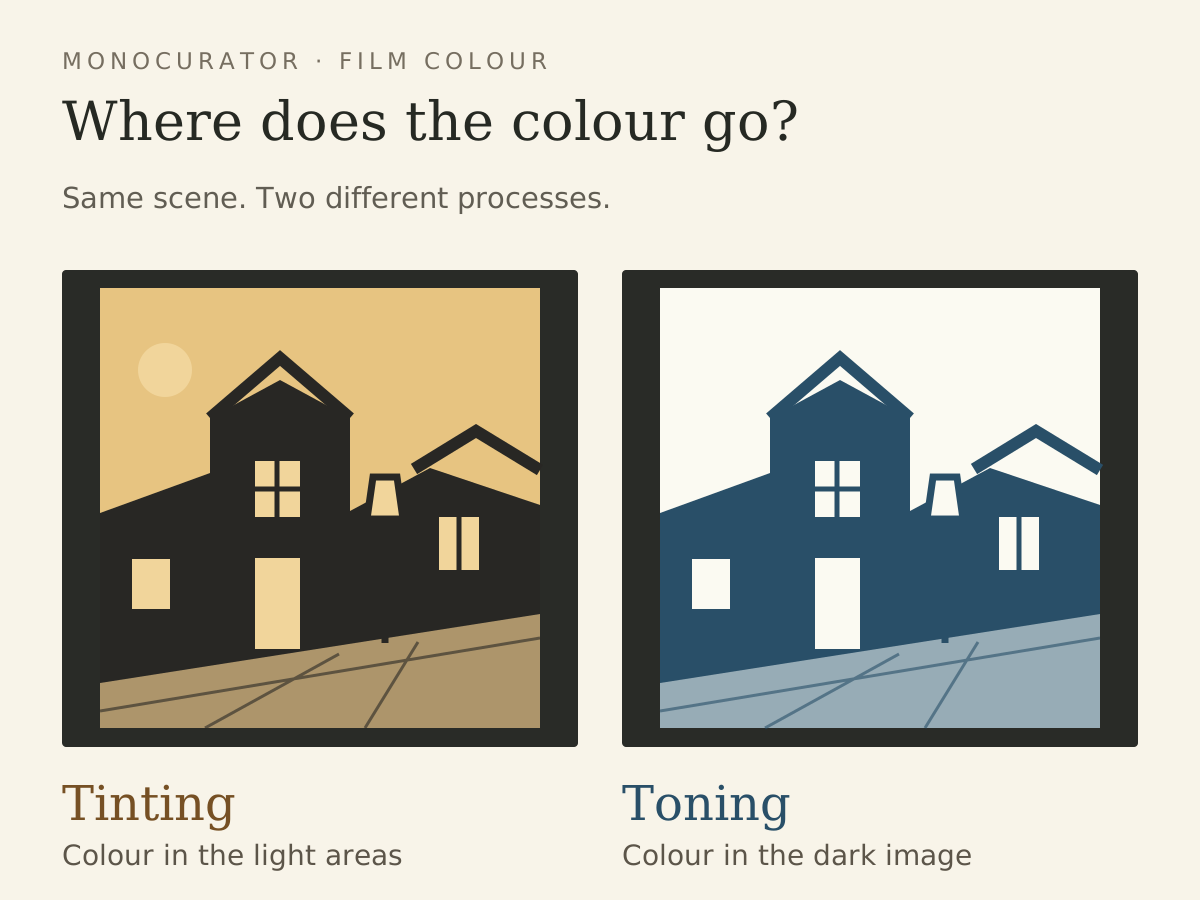
Which parts of the picture carry the colour?
- Tinting
- A colour wash applied to the film. The colour is most apparent in the light areas, while the dark photographic image remains dark.
- Toning
- A chemical change that colours the dark photographic image. Light areas stay comparatively clear; the shadows carry the colour.
Follow where the colour appears. Tinting and toning can also be combined in one print. A blue scene alone does not identify how its colour was made.
Tinting, toning and why restored colours differ