Film Restoration vs Remastering: What to Check Before You Buy
Does a 4K restoration mean a 4K disc? Read restoration and remastering labels, compare Citizen Kane and Metropolis, and know which edition you are buying.

Restoration addresses damage or loss and seeks a historically grounded presentation. Remastering prepares a new master for reproduction. The work can overlap, and remastering is used inconsistently on commercial releases. FIAF, the International Federation of Film Archives, advises looking beyond that label to what was actually done. [1]
That makes the small print more useful than the largest word on the box. Start with three questions: which film version, from which source, delivered in which format?
Different jobs can belong to the same project
| Term | What it concerns | What the word alone does not establish |
|---|---|---|
| Restoration | Recovering a historically grounded presentation from surviving material. | That every missing scene survives. |
| Reconstruction | Reassembling incomplete material using evidence about its arrangement. | That one complete copy existed. |
| Remastering | Preparing a new master for reproduction. | How much restoration occurred. |
| Scanning | Converting photographic film into digital data. | That restoration followed. |
These are overlapping tasks, not a quality ranking. [1]
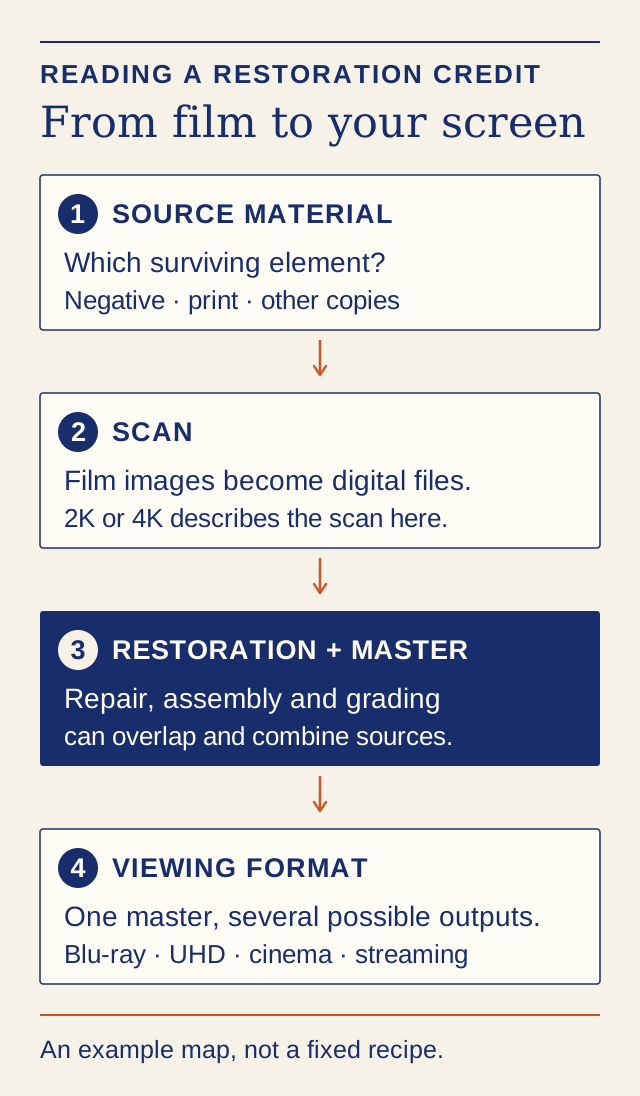
Preservation has a longer horizon than a new release. The BFI describes keeping raw sound transfers while working on a separate copy for restoration and remastering. Retaining those files, alongside caring for the physical materials, leaves future work possible. [2]
Does “4K restoration” mean a 4K disc?
No. The resolution used during work and the resolution supplied to you are separate.
Criterion’s technical FAQ explains that a standard Blu-ray can use a restoration made at 4K but present it at HD resolution. A 4K UHD disc is a different delivery format. A DVD can also derive from a higher-resolution transfer without becoming a high-definition disc. [3]
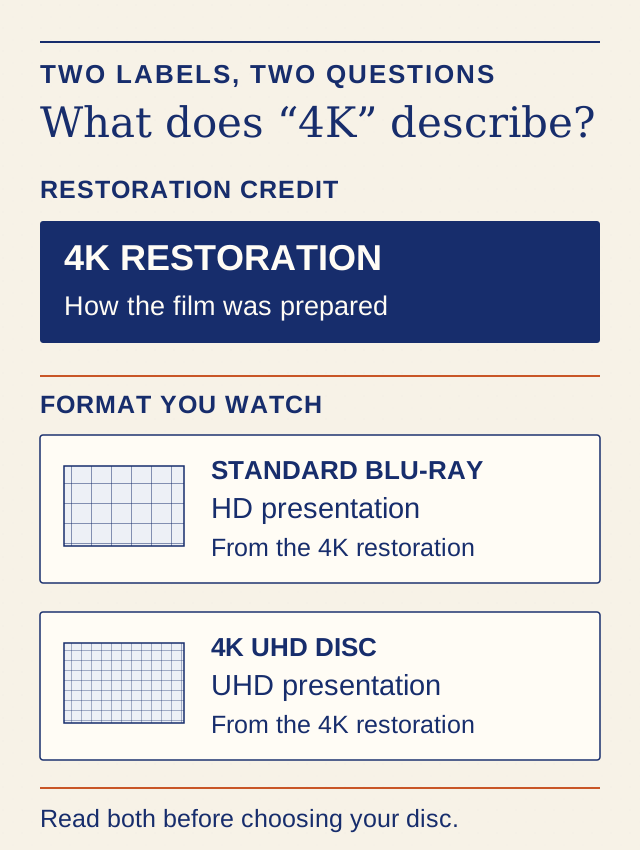
Citizen Kane provides a concrete example. Criterion lists a 4K digital restoration and offers both a Blu-ray edition and a package containing a 4K UHD disc. The restoration description does not make those packages interchangeable. [4]
Look for the format line as well as the restoration line. Then check the named edition, rather than assuming every copy of that title uses the same work. Monocurator’s Citizen Kane edition guide takes that comparison further.
Restoring the picture and restoring the story
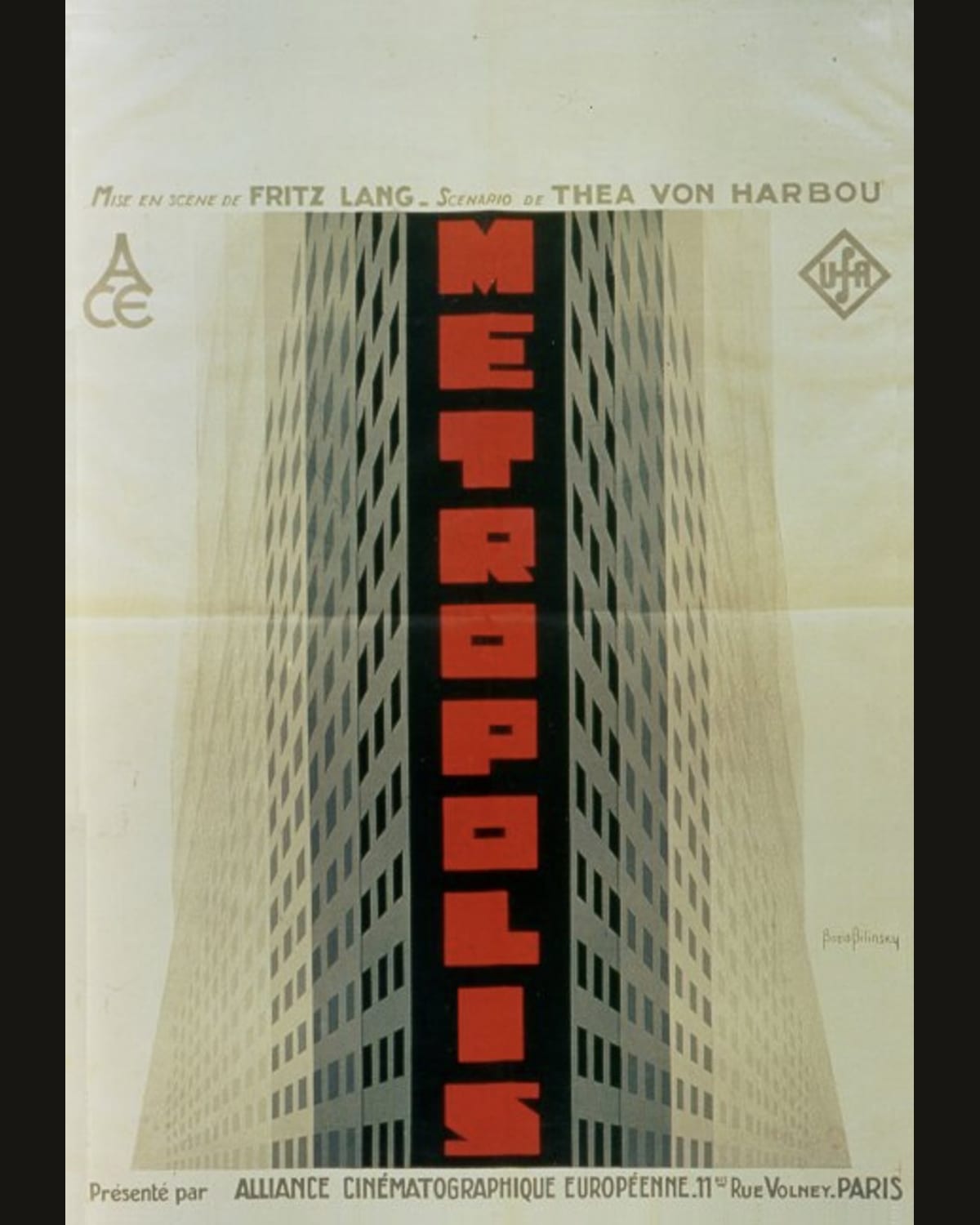
Sometimes the important change is that more of the film can be followed. Eureka’s description of its Metropolis Blu-ray identifies the reconstructed and restored 2010 version, incorporating footage recovered after a discovery in Buenos Aires in 2008. It separately identifies the disc’s presentation as 1080p. [5]
Those statements answer different questions. One concerns what material the version contains; the other concerns how its images are delivered. A resolution label cannot tell you whether a character’s journey or a connecting scene has been restored to the sequence.
The Metropolis version guide handles the individual choices. When comparing restoration claims more generally, ask what changed in the film’s content as well as in the appearance of the surviving footage.
Which marks belong to the film?
Grain belongs to photographic film; dirt and scratches can be later damage. FIAF’s ethical guidance distinguishes the two: smoothing away original grain can alter the image being preserved. [1]
Sound needs judgement too. BFI sound specialist Mike Kohler describes using the picture as a reference so that something belonging to the film is not mistaken for unwanted noise. [2] Ask what the process preserves or removes, rather than how silent the gaps or how polished the picture can become.
A cut identifies an arrangement of a film’s material; a restoration should identify which arrangement it addresses. A remake is another production. Colourisation changes a black-and-white film’s presentation, but the word tells you nothing about repairs to its source material. These distinctions help you separate changes to the work from changes to the copy.
What to read before choosing an edition
Useful restoration notes tell you:
- The intended version: an original release, a later revision or a reconstruction of incomplete material.
- The sources: which negatives, prints or other surviving elements were available.
- The work and its limits: what was repaired, reassembled or left unresolved, and who carried it out.
- Your presentation: disc or streaming format, picture shape, soundtrack, subtitles and playback compatibility.
For individual films, the version guides connect those questions to named editions.
You do not need to become an archivist before watching a film. You need enough information to understand the promise being made. “Restored in 4K” starts the enquiry. A description of the version, its materials and the copy you will actually receive gives you something to choose between.
References
- FIAF Technical Commission, The Digital Statement, Part III, terminology and digital restoration ethics.
- Mike Kohler, ‘All about... film sound and how we restore it’, British Film Institute, 20 June 2024.
- The Criterion Collection, ‘Technical Support’, questions on 4K restorations and disc formats.
- The Criterion Collection, Citizen Kane, restoration description and edition specifications.
- Eureka Entertainment, Metropolis (Blu-ray), 2010 reconstruction and technical specifications.
On screen
Films discussed
- Citizen Kane (1941) · Orson Welles
- Metropolis (1927) · Fritz Lang
Continue exploring on Monocurator

Further reading
Read next in the Journal


Want a recommendation shaped around your evening? Ask Momo what to watch next →